


 Shkruar nga Thomas Roser
The passivity of the West contributes to the fact that tensions between Serbia and Kosovo continue to escalate...
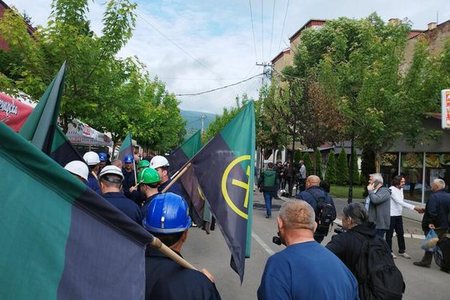
If politics fails, if necessary, barbed wire must secure the fragile peace. Following the unrest in northern Kosovo, which is populated mainly by Serbs, soldiers of the international protection force KFOR patrolled behind barbed wire in front of Zvecan municipality on Wednesday.
30 injured KFOR members and more than 50 injured Serbs were the aftermath of an attempt to storm the town hall building by angry residents earlier in the week: protesters had tried in vain to block the new majority Albanian mayor. Serbian to enter his office. Fearing new unrest, KFOR will now increase its forces by 700 to 4,000 soldiers.
Meanwhile, American ambassador Jeffrey Hovenier in Pristina has warned of a tougher approach to partners who are not ready to cooperate. Prime Minister Albin Kurti ignored a US request not to use the police to appoint the new presidents, sparking outrage in Washington. Their anger at Kurt was followed by some deflating sanctions from the US.
According to Hovenier, Kosovo's participation in the NATO exercise, 'Defender Europe 2023', which will last from April to September, has been cancelled. "The training is over for Kosovo", he said, adding that there is no great enthusiasm to work for new recognition or for its membership in national organizations.
Conflicts can only be resolved politically, said the EU's special representative, Slovak Miroslav Lajčak, as he called on Pristina and Belgrade to return to the negotiating table as a mantra: "The excessive violence in Zveçan was an absolutely unnecessary and illogical escalation."
The USA and the EU are also responsible for the situation
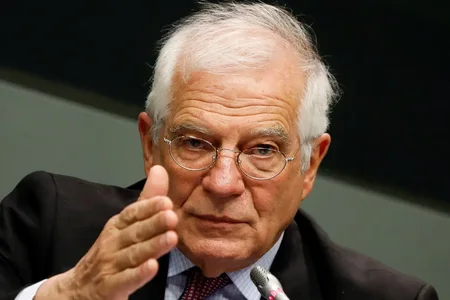
In fact, just over two months ago, after the meeting between the Prime Minister of Kosovo, Albin Kurti and the President of Serbia, Aleksandar Vucic at Lake Ohrid in Macedonia, Lajcak and the EU Special Envoy, Josip Borrell, announced an 'agreement ' for the normalization of the tense relationship between the neighbors. The alleged agreement was not signed. Not only do the governments in Belgrade and Pristina seem uninterested in reconciliation. The armies of diplomats from the EU and the US are also responsible for this confused situation.
The 'neighbourhood dialogue' moderated by the EU at great expense since 2011 has hardly brought the two former wartime adversaries closer together. Even the Ohrid Agreement, which was drafted with the support of the US in March, has not eased the situation: due to the tangle surrounding its implementation, relations have tended to deteriorate since then.
Prishtina and Belgrade are also to blame
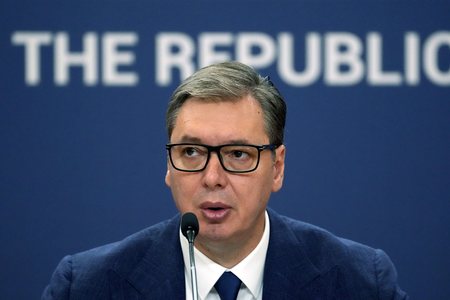
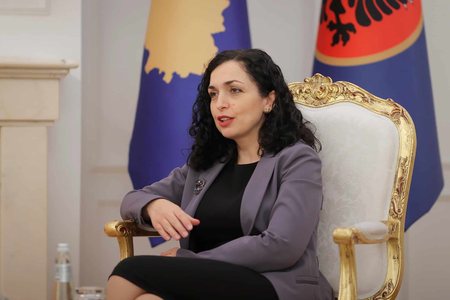
Pristina and Belgrade are to blame for the current escalation. It was Serbia's president, Vucic, who encouraged Serbian officials in northern Kosovo to resign and then boycott local by-elections ordered by Pristina. In contrast, it was the prime minister of Kosovo, Albin Kurti, who insisted on holding the elections without value. Serb-majority municipalities in the north received new Albanian mayors, who were elected with only a few hundred votes.
The US and the EU could have avoided the Zvecan riots if they had pressed for Serbia's participation in the elections or for the elections to be postponed on time and more decisively. But instead, they expressly recognized the legitimacy of meaningless elections./ Adapted from FRANKFURTER RUNDSCHAU, Pamphlet


Lini një Përgjigje