


 Shkruar nga Pamfleti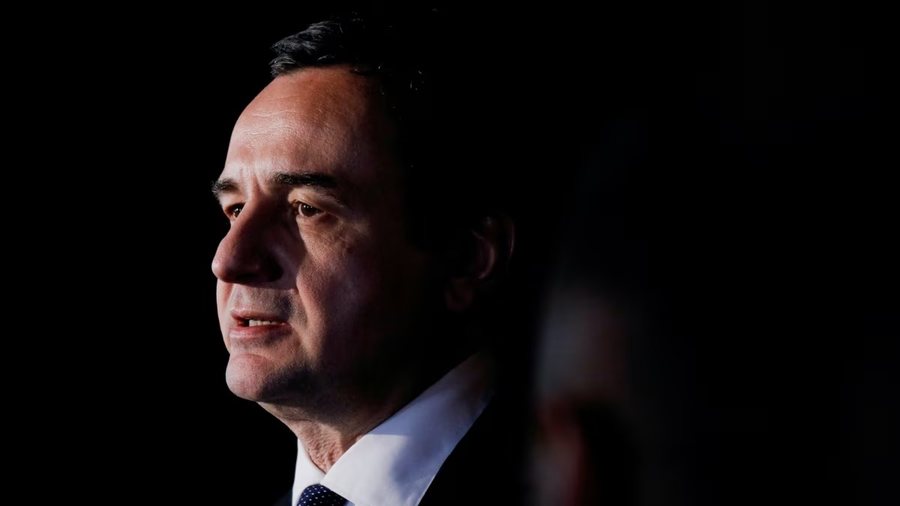
Albin Kurti has angered both sides of the political divide in the US. Whether or not the criticism of Kurti is fair, the latest explosion in Kosovo offers a powerful reminder of the West's own failures in the region and the cost of letting the conflict simmer for years.
The Prime Minister of Kosovo, Albin Kurti, has achieved the impossible in American politics: consensus between Democrats and Republicans.
Unfortunately for Kurt (and his country), the point of agreement is that Kosovo's leader is a stubborn and sometimes reckless politician who has undermined joint US-European efforts to reach a lasting peace solution between Kosovo and Serbia.
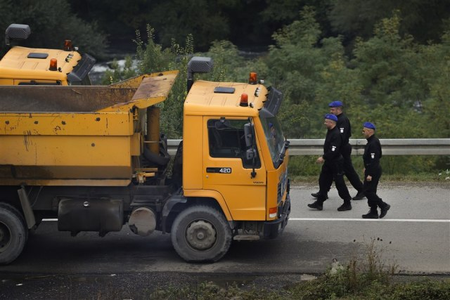
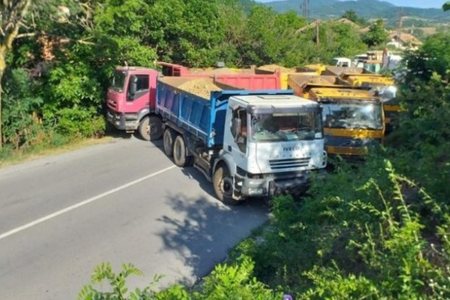
Washington has laid the blame for the latest outbreak of violence between the Kosovo authorities and the Serb-majority communities in the north of the country squarely at Kurti's feet and has tried – so far unsuccessfully – to contain him with public criticism. The conflict, which concerns the future status of Serbian areas in northern Kosovo and Pristina's demand that Belgrade finally recognize its sovereignty, has spiraled further out of control in recent days, with Serbia arresting three Kosovar border guards and with Kosovo closing the main crossing for Serbs. trucks.
Kurti's critics accuse him of manufacturing the crisis by sending paramilitary police units into Serb communities and using force in late May to install Kosovo Albanian mayors across the region after Serbs boycotted local elections.
"We have some very important issues with him if we can count on him as a partner," Christopher Hill, the US ambassador to Serbia, told VOA this month.
This followed a May 26 tweet by his boss, Secretary of State Antony Blinken, who said: "We strongly condemn the actions of the Government of Kosovo which are escalating tensions in the north and increasing instability."
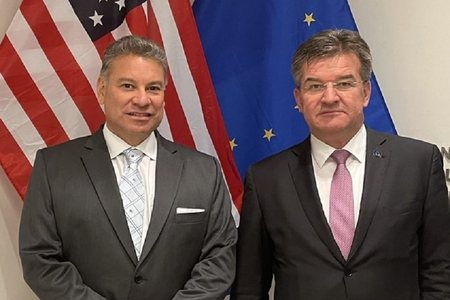
Richard Grenell, who served in several senior foreign policy roles during the Trump administration, including as special envoy for peace negotiations between Serbia and Kosovo, was blunt in his assessment, saying last week on Twitter that Kurti had given Biden and the Europeans "the middle". finger."
While Grenell has long been critical of Kurt, a left-wing nationalist whose views never aligned with those of the Trump crowd, the public rebuke from the Biden administration was extraordinary on several levels.
First, Kosovo has been a pet project of Democratic leaders since former President Bill Clinton led NATO's successful 1999 campaign against Yugoslav strongman Slobodan Milosevic, who oversaw the expulsion of millions from their homes in ethnic cleansing. of Albanians from Kosovo.
Many Democrats see Kosovo as a rare example of successful American nation-building.
For another, Hill is a diplomatic legend in the Balkans, having served the region for decades, most notably as one of the architects of the Dayton Accords that ended the war in Bosnia in 1995. If one understands the extent of the malign influence of Serbia throughout the region over the years, is Kodra. However, the veteran diplomat left little doubt that he believed Belgrade was not to blame for the latest escalation.
Serbian President Aleksandar Vucic and his government "are good partners in this process," Hill said.
Even the EU, which has pushed for talks on the "normalization" of relations between Serbia and Kosovo, a prerequisite for each country to join the bloc, has lost patience with Kurti.
Last week, the EU said it was suspending high-level visits with Kosovo as well as "financial cooperation".
"Despite our repeated calls, Prime Minister Kurti has so far failed to take decisive steps and actions for de-escalation," said spokesman Peter Stano.
Blame game
So far, Kurti has shown little willingness to back down, insisting that Vucic's steadfast refusal to recognize Kosovo's sovereignty and come to terms with the realities of Serbia's wartime past is to blame for the crisis. . Kurti says he is acting on principle, not anger.
"What we see from the democratic West is a certain appeasing attitude," Kurti told POLITICO in a recent interview. "That's how we got here. And I think it's important for both the EU and the US to tell Mr. Vucic to back off."
Kurti accused Vučić of fomenting trouble in North Kosovo by supporting a "fascist militia" there that he says is behind recent attacks on Kosovo Albanian journalists and international peacekeepers.
Few would argue that Vucic, a strongman leader with a long history of antagonizing the West by flirting with Russia and China, is an angel. Some Western critics have called out Washington for appearing to side with Vucic, even as mass protests in Serbia against his increasingly authoritarian rule gather steam.
However, Serbia remains the region's juggernaut, and the US and EU want to ensure that it does not move further into Russia's sphere of influence. Most Western observers also doubt the prospects of resistance to Vucic, given how widespread his power has become in Serbia. Belgrade's importance was further highlighted in April when a Pentagon document revealed it had agreed to supply Ukraine with weapons, something Serbia publicly denies.
Although Serbia has joined UN resolutions condemning Russia for its full-scale invasion of Ukraine, its official position is to remain neutral in the conflict.
Vucic has never been neutral when it comes to Serbs in northern Kosovo, a community of about 50,000 people spread across four municipalities. As Vucic seeks to quell protests at home, Kosovo is once again a useful tool for him to distract public opinion.
Many Kosovo Serbs consider Vucic as their protector. Indeed, it was on Vucic's orders that locals stayed away from the polling stations in the last municipal elections. As a result, four Kosovo Albanian candidates, one of whom received only 100 votes, were declared winners.
Kurt's decision to install them by force, despite what he admitted to POLITICO was "empty" legitimacy, sparked recent unrest in the region.
But Serbs in northern Kosovo say they are fed up with the way they were treated by Kurti's government long before Vucic told them to boycott the elections.
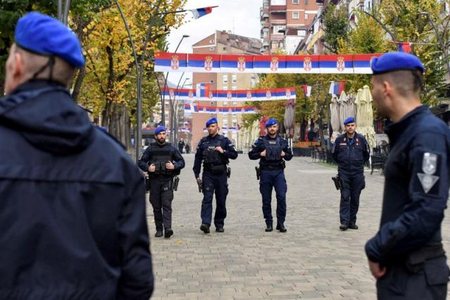
Their main row involves the presence of "special police", heavily armed paramilitary units, which Kurti sent to the area in 2021 amid a dispute over the continued use of Serbian license plates by Kosovo Serbs. Locals see the police as an occupying force.
A string of shootings this year of Serbs at the hands of special police made the situation even worse.
Fear of integration
However, their dissatisfaction with the Kosovo government is much deeper. Prishtina suspects that local Serbian communities are preparing to try to secede, noting that even 15 years after Kosovo declared independence from Belgrade, many people in the area continue to receive civil service and social welfare payments from Serbia.
The structure of public services in Kosovo, from the education system to health care, is fundamentally different from those in Serbia, and Serbs in northern Kosovo say they have no desire to give them up. Furthermore, local Serbs say the central government has done little to address their concerns about full integration into Kosovar society, especially when it comes to equal treatment of their language and culture.
"We've had a bad experience with integration so far," said Milica Andrić Rakić, a project manager at the New Social Initiative, an independent research group based in Mitrovica, the urban center of northern Kosovo, which is divided in Serbian and Albanian sections from Iber. the river.
The main problem with the ongoing talks, she said, is that the international effort to resolve the conflict is focused on Serbia and Kosovo, not on the locals.
"We are not in the negotiating team of Serbia and we are not in the team of Kosovo and yet they are all talking about us", said Andrić Rakič. "The international community is trying to build a house from the roof down instead of building from the ground up."
History would suggest she has a point. The EU has been trying for a decade to negotiate lasting peace between Kosovo and Serbia. In March, EU foreign policy chief Josep Borrell claimed to have signed a deal after a summit in North Macedonia between Kurt and Vucic.
In exchange for Serbia's de facto recognition of Kosovo, Prishtina agreed to embrace "an appropriate level of self-management" for Serbian municipalities in northern Kosovo.
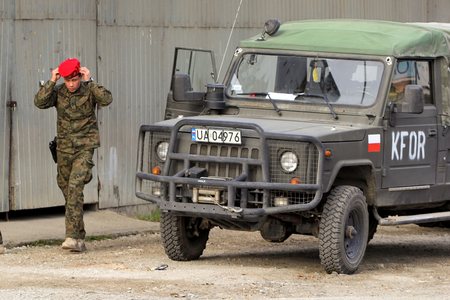
However, within weeks, the wheels came off. The West blames Kurt for forcing the issue with the mayors at a delicate moment, culminating in violent protests in Serbian areas that left dozens of NATO-led peacekeepers injured.
At a time when the US and Europe are focused on dealing with Russia's war on Ukraine, the last thing they need is another conflict on the continent. This appears to be their calculation in trying to force Kurt to withdraw.
Whether or not the criticism of Kurti is fair, the latest explosion in Kosovo offers a powerful reminder of the West's own failures in the region and the cost of letting the conflict simmer for years.
On Monday, the EU demanded that Kurti and Vucic travel to Brussels for a "crisis meeting" or face "harmful" consequences.
By late Monday, none of the leaders had agreed to go./ Adapted from POLITICO, Pamphlet


Lini një Përgjigje