


 Shkruar nga Pamfleti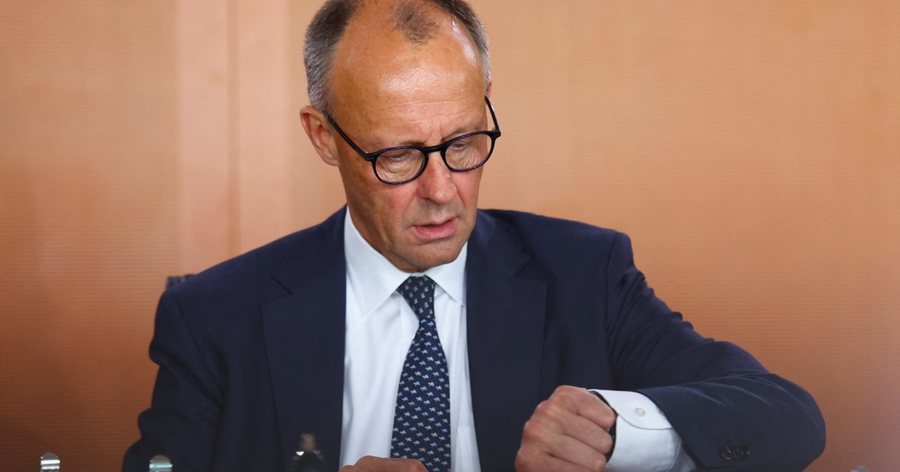
Germany's new government, led by Friedrich Merz, should take a leading role in the European Union's (EU) policy towards the Western Balkans, and contribute to the development of a strategic approach to the region, Bodo Weber, senior fellow at the Council for Democratization Policy in Berlin, said in an interview with Radio Free Europe (RFE/RL).
The leader of the German Christian Democrats, Merz, was sworn in in the Bundestag on May 6, becoming the tenth chancellor in Germany's history, after securing the necessary majority in only the second round of voting.
Regarding Germany's approach to the dialogue between Kosovo and Serbia for the normalization of relations, Weber assesses that Berlin, instead of fundamentally restarting this process, came up with the Franco-German proposal, which led to the "complete destruction of the political dialogue" and to two agreements that, according to him, do not exist in reality.
According to Weber, Germany's new government must undertake a "strategic turn" towards Serbia and the policies of President Aleksandar Vučić's regime, so that political dialogue does not sink.
The agreement on the path to normalization of relations, which Kosovo and Serbia accepted in 2023, was initially known as the Franco-German plan, and was supported by the EU and Western countries. Later, an annex was also agreed to implement the agreement, but in practice almost nothing has been achieved.
Weber tells REL that it remains to be seen whether Germany has or is building an appropriate foreign policy strategy, but that it will certainly express concerns about "third actors with harmful influence in the Balkans."
Radio Free Europe/Radio Liberty: Mr. Weber, how would you describe the foreign policy strategy of Chancellor Merz's government? How does it differ from the policies of his predecessors, Olaf Scholz and Angela Merkel?
Bodo Weber: It is still too early to judge. With visits to Paris and Warsaw on the first day of his term, as well as a joint visit to Kiev with his counterparts from France, Britain and Poland, Chancellor Merz sent a strong signal that Germany will take a leading role within the EU, on a global level. The policy of the new government was already defined during the coalition negotiations, in light of the behavior of US President Donald Trump and his administration towards Ukraine and the EU, with particular emphasis on strengthening the EU's common security policy, based on the conviction that the US has withdrawn from Europe as a partner of values.
However, the first steps, such as the visit to Ukraine and the joint EU-US ceasefire initiative, accompanied by statements that the US remains the main partner, proved fruitless, as was seen when Trump abandoned the initiative and surrendered to Vladimir Putin. We will see how it develops further.
However, the new government and the new chancellor are emphasizing the need for a more decisive policy on the European and international level. The question remains whether they will have the necessary strategy.
Radio Free Europe: What role do you think Germany should play in the EU's policy towards the Western Balkans?
Bodo Weber: Germany must once again take the lead in EU policy towards the Western Balkans, and help create a strategic policy for the region – something the EU has lacked for more than two decades – including the urgent need for a turnaround on Serbia and a more political approach to the crisis in Bosnia.
Radio Free Europe/Radio Liberty: How do you see this government's commitment within the Berlin Process?
Bodo Weber: Unlike the arrival of the previous Scholz government, when it was not clear whether the chancellor intended to continue with the Berlin Process, this time the coalition agreement clearly announces its continuation. So Berlin remains committed to this process.
Radio Free Europe: How can Germany approach the EU enlargement process, given the political context in the EU and developments in the region?
Bodo Weber: At present, this is unclear – just like the entire policy towards the Western Balkans. The CDU/CSU [Christian Democratic Union/Christian Social Union], during its time in opposition, supported the concept of graduated membership, which, in my opinion, is a failed concept and, in fact, a way of refusing full membership, by offering a second-class status. In the coalition negotiations, the Social Democrats managed to neutralize this concept. However, the agreement mentions the need for internal reform of the EU, in order to accept new members – a demand that existed even earlier, but without success. The main problem of German politics is that, for three decades, it has not made a serious contribution to the strategic debate on the future of the EU and, consequently, not on the future of enlargement.
Radio Free Europe: What role can Germany play in the Kosovo-Serbia dialogue, especially under the leadership of Chancellor Merz?
Bodo Weber: Qeveria e re konservatore përballet me trashëgiminë e dialogut politik që nisi kancelarja Merkel, me përkrahjen e deputetëve konservatorë. Nën Scholzin, në vend të një rivendosjeje të thellë të dialogut, pas episodit të rrezikshëm të shkëmbimit të territoreve, Qeveria gjermane ndërmori iniciativën franko-gjermane me një vullnet të pamjaftueshëm politik, dhe duke vazhduar politikën e dështuar të pajtimit ndaj regjimit të Vuçiqit. Rezultati ishte shembja e dialogut, dhe dy marrëveshje që, në fakt, nuk ekzistojnë.
Pyetja është nëse Qeveria e re gjermane do të këmbëngulë në këto marrëveshje të papërmbushura, apo do të ketë guximin të nxisë një rinisje të thellë të dialogut – për një marrëveshje gjithëpërfshirëse dhe përfundimtare. Kjo do të kërkonte një kthesë strategjike të politikës së BE-së ndaj Serbisë, duke mos e trajtuar regjimin e Vuçiqit si partner vlerash. Por, kjo do të nënkuptonte edhe ndërprerjen e marrëdhënies së CDU-së me "partinë motër" SNS [Partia Progresive Serbe]. Mbetet për t’u parë nëse CDU-ja dhe Merz kanë forcën për këtë. Në të kundërt, dialogu do të thellohet edhe më shumë në krizë, dhe BE-ja do të humbasë më shumë kredibilitet si aktor demokratik, në Kosovë dhe në Serbi.
Radio Evropa e Lirë: Vitin e kaluar, Gjermania dhe Franca e kushtëzuan mbështetjen për anëtarësimin e Kosovës në Këshillin e Evropës me themelimin e Asociacionit të komunave me shumicë serbe. A do ta mbajë Gjermania këtë qëndrim?
Bodo Weber: Ndryshe nga Parisi, Gjermania ka qenë më e butë në kushtëzimin për aplikimin e Kosovës për Këshillin e Evropës. Nëse Berlini do të vazhdojë me këtë politikë për Asociacionin – në mungesë të një kuadri strategjik – mbetet për t’u parë, dhe do të varet nga ajo nëse do të ketë kthesë strategjike në politikën ndaj dialogut.
Radio Evropa e Lirë: Si mund të zhvillohet mbështetja bilaterale e Gjermanisë ndaj Kosovës me këtë qeveri – sidomos për sa i përket kushteve politike apo ndihmës për zhvillim?
Bodo Weber: Pres që marrëdhëniet bilaterale të mbeten të qëndrueshme. Me suksesin e socialdemokratëve, që kundërshtuan bashkimin e ministrisë së Zhvillimit me atë të Punëve të Jashtme gjatë negociatave për koalicion, u kufizua automatikisht mundësia për të ulur fondet për ndihmën zhvillimore në përgjithësi – përfshirë edhe për vendet e Ballkanit Perëndimor. Ky është një sinjal i rëndësishëm, veçanërisht në kohën kur USAID-i [Agjencia e Shteteve të Bashkuara për Zhvillim Ndërkombëtar] është tërhequr, dhe disa vende të BE-së kanë ulur ndjeshëm ndihmën.
Radio Evropa e Lirë: Çfarë qasje mund të ketë Gjermania ndaj pranisë në rritje të aktorëve të jashtëm, si Rusia, Kina apo Turqia, në Ballkanin Perëndimor?
Bodo Weber: Germany, as before, will remain concerned by the actions of malicious actors in the Balkans. But it remains to be seen whether the US, under the Trump administration, will join these actors who undermine the EU's security interests and values in the region. Only through a decisive and strategic EU policy can these actors be successfully confronted – and this requires serious leadership from Germany./ REL


Lini një Përgjigje