


 Shkruar nga Diplomatico | Pamfleti.net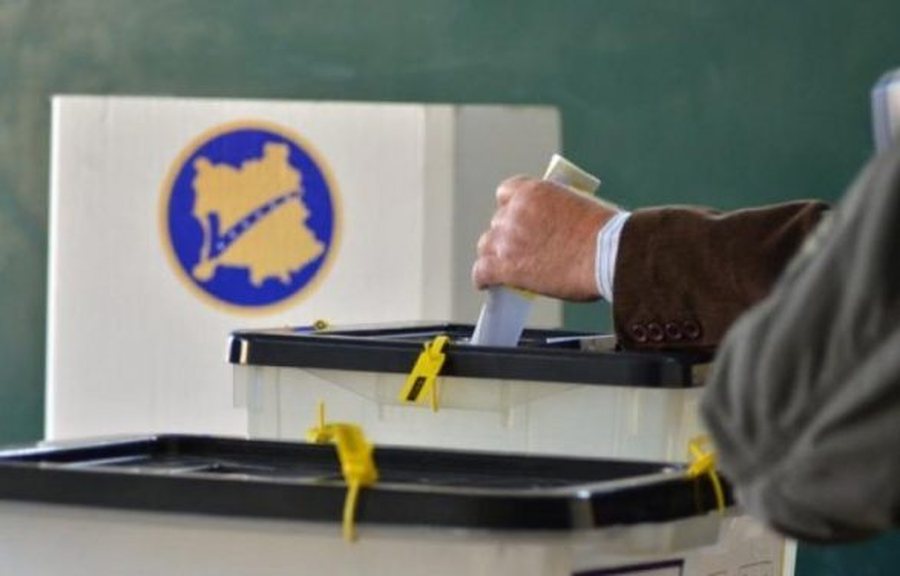
Kosovo goes to elections for the second time in a year, but with no guarantee that the result will bring a stable government; April brings a new challenge: the election of the president!
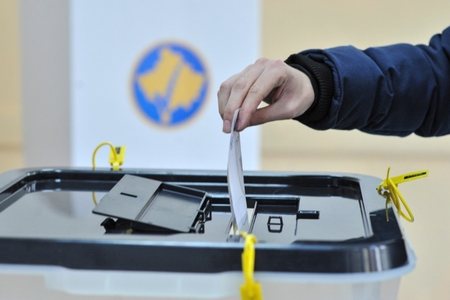
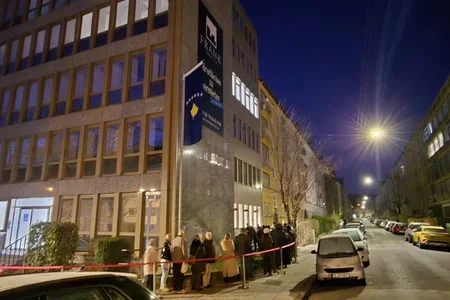
Tomorrow morning, Kosovo citizens will return to the polls to elect 120 members of the new Assembly. These are the second general elections within 2025, after those in February that ended without a clear winner and plunged the country into a prolonged political crisis.
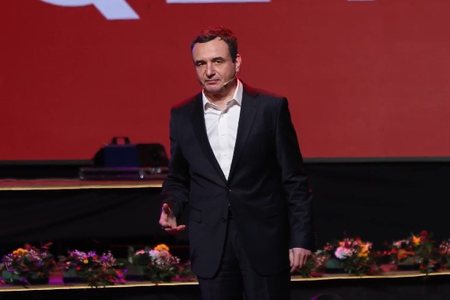
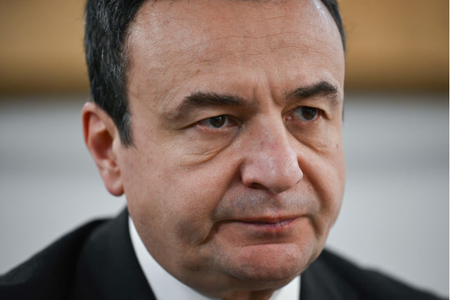
For almost a year, Kosovo has been governed by an interim executive, led by Albin Kurti, who, faced with the lack of a clear majority, has been forced to maneuver through compromises, postponing important decisions and keeping institutions functioning at a minimum. Internal disputes, clashes over the post of parliament speaker, and a lack of inter-party cooperation have made 2025 the most politically unstable year since the declaration of independence in 2008.
Although officially aimed at creating a functioning government, Sunday's elections are not expected to be a final solution to the crisis. Polls and analysts' estimates suggest that Albin Kurti's Vetevendosje Movement will again emerge as the leading party, but not with an absolute majority to govern alone. In the February 9 elections, the Vetevendosje Movement received 42.3% of the vote and 48 mandates; this time it could increase its vote share, especially thanks to the mobilization of the diaspora, with around 300,000 citizens who arrived in Kosovo during the holidays, most of whom tend to support Kurti.
But even with this support, the figure of 61, which guarantees a parliamentary majority, remains a distant goal. This once again makes Kurti dependent on coalitions, which in the current political context is a difficult, if not impossible, mission.
The Democratic Party of Kosovo (PDK) is expected to come in second place, led by Bedri Hamza – a figure with a high professional profile and good international connections. Hamza has positioned himself as a pro-Western alternative, criticizing Kurti for tensions with the US and for his failure to engage in dialogue with the Serbs in the north.
The Democratic League of Kosovo (LDK), Kosovo's historic party, led by Lumir Abdixhiku, is expected to retain third place and could play a decisive role in coalition negotiations. Abdixhiku has built a profile as a modern, moderate force, with a focus on the economy and the rule of law, and could be the missing mediator between the parties.
But the classic division into camps and disagreement with Kurti as the dominant political figure remain obstacles to a stable government.
Another key link in this cycle of crises is the election of the President of Kosovo, which is due to take place in April 2026. The Constitution requires a majority in the Assembly to elect him, which makes it almost impossible without a broad agreement between the parties.
If after the elections, not only the formation of a government, but also the election of a head of state is not achieved, then Kosovo risks entering a third electoral cycle, perhaps in the summer, which would turn 2026 into another season of political and institutional crises.
The international community, especially the US and the EU, is increasingly critical of the political polarization in Kosovo. The recent presence of US FBI and DEA officials in Tirana and Pristina, as well as the clear messages from the US State Department regarding the “non-grata”, have been read as a signal that Washington will no longer tolerate institutional gridlock.
Tomorrow's elections are more an attempt to regain control of the system than an automatic solution to the crisis. In the absence of a broad political agreement, the risk that Kosovo will once again be left without a functioning government and go to another election in April or the summer is very real.
If after December 28 a parliamentary majority that takes institutional stability seriously does not emerge, Kosovo risks turning into a republic of permanent deadlock, a luxury that a fragile state, in constant tension with Serbia and under close international scrutiny, cannot afford. / Pamphlet



Shans për stabilitet. E kanë në dorë, votuesit kosovarë. Të votojnë numrin 116. Voto Albin Kurtin.