


 Shkruar nga Pamfleti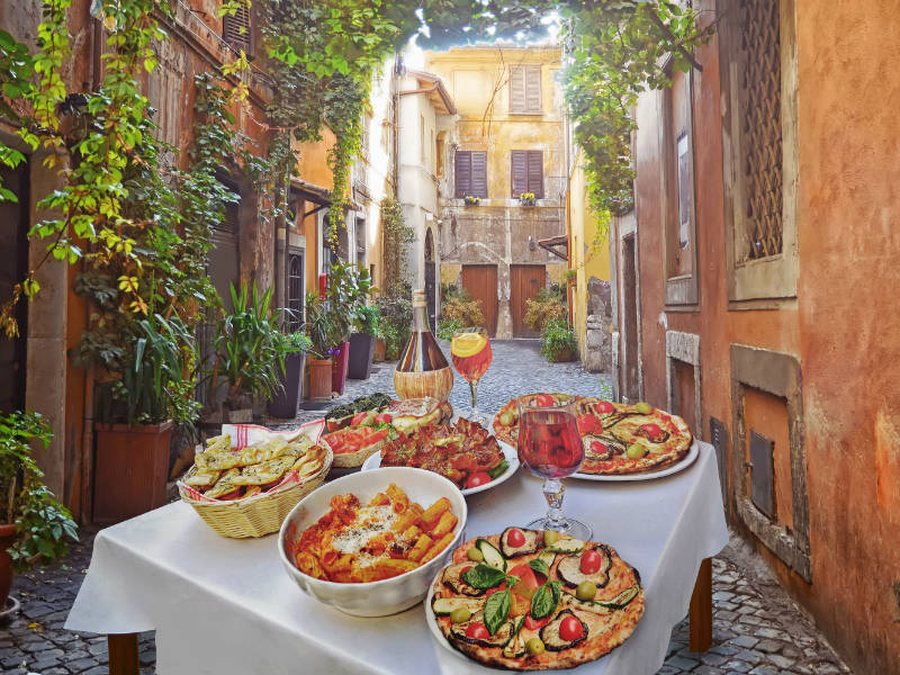
If carbonara had legs, it would be jumping for joy today. At 10:44, in New Delhi, the UNESCO Intergovernmental Committee officially gave its approval: Italian cuisine is included in the list of the intangible cultural heritage of humanity. Not a dish, not a product regulation, but a way of sitting at the table, of cooking, of knowing, of thinking about food.
It is a historic first: until now UNESCO has recognized single gastronomic specialties and practices, from the French gastronomic meal to the cuisine of Michoacán, from Japanese washoku to Korean kimchi, to Ukrainian borscht, but never the entire cuisine of a country. Today, together with the Mediterranean Diet, the art of Neapolitan pizza-makers, the search for truffles, the cultivation of the vineyards of Pantelleria with hoe and the wine landscapes of the Langhe, Roero and Monferrato, the list includes the entire theoretical-practical ensemble: Italian cuisine as a whole, with its infinity of regional and family variants.
The candidacy, as is known, did not arise yesterday. The dossier "Italian Cuisine, Between Sustainability and Biocultural Diversity" was prepared by the UNESCO Office at the Ministry of Culture and was drafted by the lawyer Pier Luigi Petrillo with the scientific coordination of the food historian Massimo Montanari, at the head of a committee of experts.
On the institutional front, the main promoters are Masaf and the Ministry of Culture, supported by a network of institutions that have been studying and practicing Italian cuisine for decades: the Italian Academy of Cuisine, the Casa Artusi Foundation (the guardian of the "Italian home kitchen"), the magazine La Cucina Italiana, which with its director Maddalena Fossati lit the spark of the candidacy in 2019, and then Anci, Slow Food, the Italian Federation of Chefs.
There is no fetish dish in the file, there is an idea: the "kitchen of affections". A daily practice made up of knowledge, gestures, shared rituals; the choice of ingredients, respect for the seasons, the creative use of waste, biodiversity as an invisible spice. It is Sunday lunch, the ragu that simmers for hours, the white tablecloth that is spread to set the table and that is collected beautifully stained by the sauce at the end (perhaps after drinking coffee and ammazzacaffè), it is the hand that gives the bread, but not the salt (it doesn't do any good!).
Hartuesit ngrenë lart një fjalë kyçe: mozaik. Kuzhina italiane përshkruhet si një bashkësi kuzhinash lokale, komunitare, familjare, që nuk reduktohen në një hierarki pjatash “më të vërteta se të tjerat”, por dialogojnë me njëra-tjetrën dhe me botën. Në mozaik hyjnë domatet e ardhura nga Amerika, pasta e thatë që kaloi nga rrugë arabe dhe mesdhetare, ndikimet e komuniteteve italiane jashtë vendit. Ideja themelore është e qartë: nuk po kandidojmë një monument, por një organizëm të gjallë, në evolucion të vazhdueshëm, me receta dhe praktika që nuk janë të ngrira, por ndryshojnë me kohën.
Me votën e sotme UNESCO e njeh këtë organizëm si pasuri për t’u mbrojtur. Kujdes: nuk është një certifikatë superioriteti – nuk ka kuzhina “më shumë pasuri” se të tjerat – as një etiketë komerciale për paketim. Është një angazhim. Sipas Konventës së 2003-it, Italia duhet të inventarizojë dhe mbrojë këtë praktikë kulturore bashkë me komunitetet që e mbajnë gjallë: familje, kuzhinierë, prodhues, shoqata. Do të thotë të mbështesë kërkimin, edukimin ushqimor, projektet në shkolla, muzetë e shijes, arkivat e kujtesës kulinare. Do të thotë të paraqesë çdo gjashtë vjet një raport në UNESCO mbi mënyrën se si po ia transmetojmë këtë trashëgimi brezave të ardhshëm.
Në planin simbolik, njohja i thotë botës se identiteti ynë kalon edhe nga tryeza. Në planin konkret, bëhet një mjet më shumë në betejën kundër fenomenit “Italian sounding”: përballë një gombonzola-je apo uthulle balsamike të rreme, do të kemi edhe ombrellën e një trashëgimie të njohur ndërkombëtarisht, krahas mbrojtjeve të rëndësishme DOP dhe IGP.
Kuzhina e afeksioneve nuk do të ekzistonte pa ata që e shndërrojnë përditshmërinë në gjest profesional, në rrëfim, në përgjegjësi. Nuk është çudi që Massimo Bottura, ambasador i shijes italiane në botë, e quan sot një “ditë historike” në intervista me mediat ndërkombëtare si Washington Post dhe në Rai Uno, te Antonella Clerici. “Udhëtoj shumë, i shoh kuzhinat e tjera, dhe mund t’ju siguroj se e jona nuk ka të dytë. Është shuma e qindra mikro-kuzhinave, por kudo, qoftë një kuzhinier apo një rezdora, përgatiten ushqime me dashuri që nuk ka rival. Shuma e këtyre riteve kolektive është kuzhina italiane.”
Në anën pop, ja Barbieri: “E meriton kuzhina italiane njohjen e UNESCO-s? Po, sigurisht. Kemi luftuar gjithë jetën për të arritur këtu. Nuk ka krahasim në botë. Në SHBA, nëse do të kesh sukses, duhet të hapësh restorant italian. Hahet mirë, me shefa të përgatitur. Restorantet e tyre janë plot, rezervimet bëhen muaj më parë. Ndikimet kanë ekzistuar gjithmonë.” “Njohja nuk është një arritje, por një pikënisje, vijon shefi Giorgio Locatelli. Për vendin do të ndryshojë shumë. Tani është momenti që kuzhina italiane të bëhet pasuri. Është një kuzhinë që përfaqëson metoda të ndryshme, histori, një kuzhinë që ka qenë si Hirushja dhe dalëngadalë ka njohur fuqinë e saj dhe me këtë njohje lejojmë që të përzihet me kuzhina të tjera dhe me artin e përditshëm të kombeve të tjera.”
In short, Italian cuisine exists because there are communities that practice it. But be careful, says Montanari. The president of the scientific committee emphasizes that this result is not celebrated to claim superiority, but to thank the many cultures that have shaped our way of eating and to propose to the world a model based on interculturality, freedom in the kitchen, gastronomic multiculturalism.
Translated: it is not a “permission” for us against others, but an invitation to recognize that Italianness has always been a game of exchange. The opposite risk is the freezing of cuisine in a tourist postcard, the numbness of tradition in a frozen landscape. Here the responsibility is not UNESCO's, but ours: it will depend on how we use this seal in cultural policies, in tourism, in gastronomy.
And now? From now on, Italian cuisine will no longer be just the thing everyone says they love: it will also be a commitment written in black and white. It should be read not as a triumph to be sung with "we are the best", but as a collective note.
Note that biodiversity is not a buzzword, but the reason why a plate of chicory ripassata and a risotto ai bruscandoli do not show the same landscape. That the “cuisine of affections” is not just nostalgia, but the opportunity to use the meal as a means of inclusion, education, care. That protecting this heritage means taking care of those who make it possible: farmers, fishermen, dairymen, artisans, chefs, but also the families who still roll out the dough for pasta, perhaps crookedly, on the table at home.
Today, December 10, many will open a bottle “to celebrate UNESCO”. The proposal is to raise a toast to something that is both simpler and more difficult: the promise to continue to deserve this honor. Let's continue to stain the tablecloths, pass the bread, debate (civilly) about carbonara without breadcrumbs, and then share it. Because from today, Italian cuisine is a treasure of humanity. But, above all, it remains the treasure of those who sit at the table every day. / La Repubblica







Lini një Përgjigje