


 Shkruar nga Pamfleti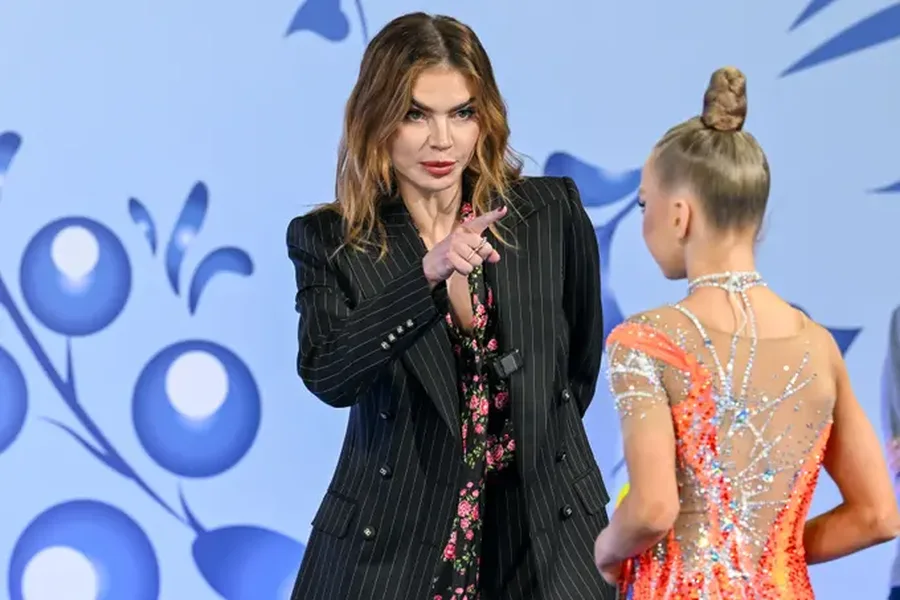
The return of Russian gymnasts to the European Championships has highlighted internal conflicts in elite Russian sport and the growing influence of Alina Kabaeva...
Maria Borisova, 19, the 2026 Russian rhythmic gymnastics champion in ribbon and ball, trains nonstop. In a video posted on her sports club's Telegram channel, she repeats the same exercise with the red ribbon, while a voice in the background repeatedly corrects her.
"You should throw it earlier. You should feel it," the voice is heard.
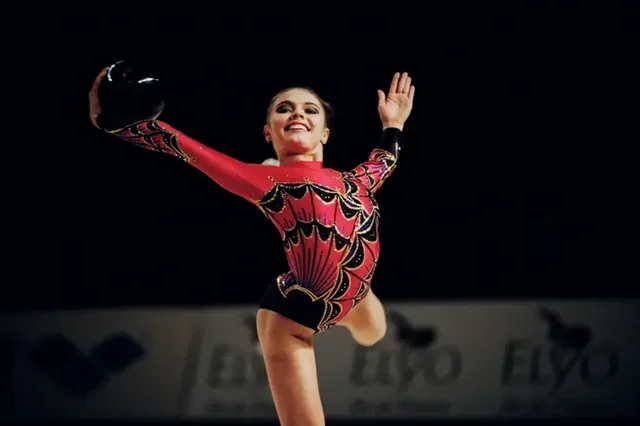
That voice belongs to Alina Kabaeva, the former Russian Olympic champion in rhythmic gymnastics and one of the most controversial figures in Russia. For the first time since the start of the war in Ukraine, Russian gymnasts will participate in the European Rhythmic Gymnastics Championships, which take place from May 27 to 31 in Varna, Bulgaria, albeit under a neutral flag.
The majority of the Russian team consists of athletes who train at Kabaeva's academy.
The most powerful figure in Russian gymnastics
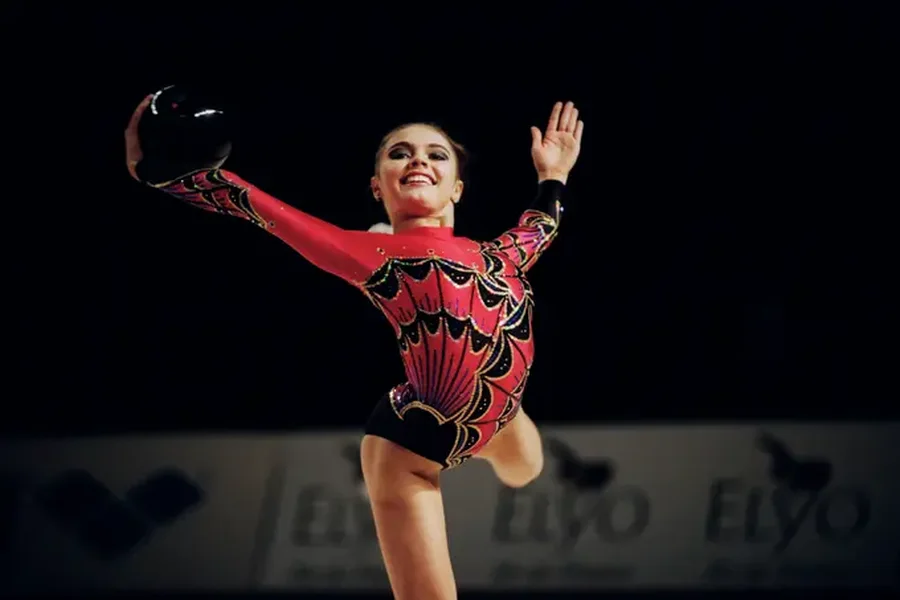
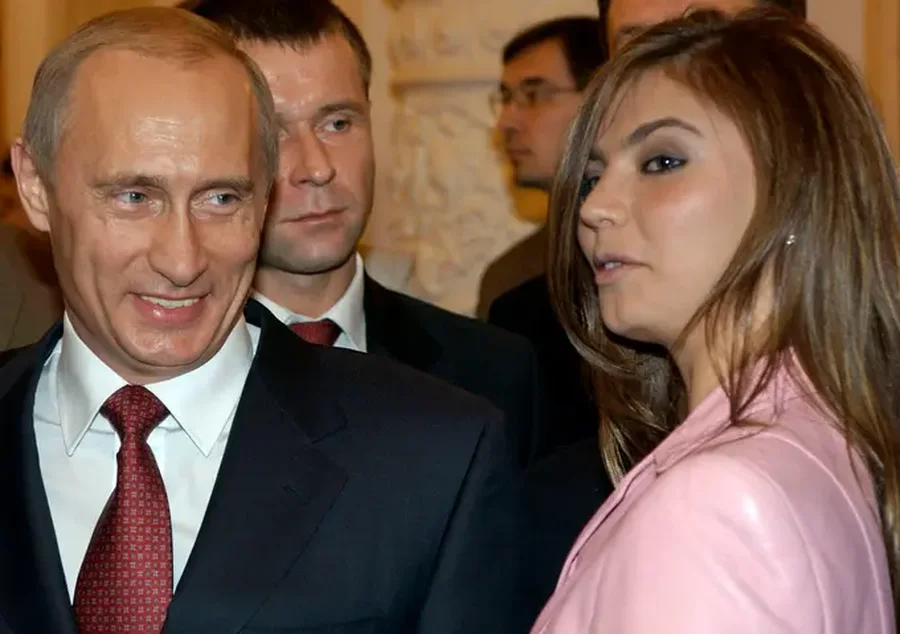
Kabaeva, a bronze medalist at the 2000 Sydney Olympics and a gold medalist in Athens in 2004, has been considered for years by independent Russian media to be President Vladimir Putin's secret partner. The media also reports that she may be the mother of two of his children, although the Kremlin has never confirmed these claims.
After a long period away from the public eye, Kabaeva returned in 2022, shortly after the start of the Russian invasion of Ukraine, founding her own rhythmic gymnastics academy "Heavenly Grace".
In Russia, rhythmic gymnastics is considered much more than a sport. It is treated as a symbol of national prestige and an elite discipline. Kabaeva's academy is set up in the Sirius complex near Sochi, a prestigious project personally supported by Vladimir Putin after the 2014 Winter Olympics.
Kabaeva has gradually strengthened her influence in state sports structures as well. In 2025, she took over the leadership of the national gymnastics federation and now plays a decisive role in selecting the national team.
Accusations of favoritism and internal conflicts
The selection of athletes for the European Championships has caused strong reactions in the Russian gymnastics community. Parents of some of the athletes who were left out of the team have publicly demanded a change to the list of participants.
"The championship should have the best gymnasts, not those supported from above," reads an anonymous appeal published on social media.
Harsh comments against Kabaeva have appeared on platforms such as VKontakte and Telegram. Some users accuse her of privileged ties to the Kremlin and direct political influence in sports.
The conflict has highlighted the clash between two schools of Russian gymnastics: the one once led by legendary coach Irina Viner and the new model represented by Kabaeva.
The end of the era of Irina Viner
Irina Viner has been a dominant figure in Russian rhythmic gymnastics for decades. Known for her tough discipline and authoritarian leadership style, she trained some of Russia's greatest Olympic champions.
Her methods are also documented in the film "Over the Limit" by Polish director Marta Prus, which shows the extreme psychological and verbal pressure on athletes.
Viner has always defended her approach, stating that great results are not achieved gently.
Kabaeva is trying to create a different image. Athletes who train at her academy speak of a calmer and more supportive atmosphere. However, she has also been seen raising her voice during training.
Relations between Viner and Kabaeva have deteriorated significantly in recent years. Russian media reports that the two figures no longer communicate with each other, especially after Viner's departure from leadership positions.
Meanwhile, Kabaeva is organizing new tournaments and changing the scoring rules in Russian rhythmic gymnastics, consolidating her influence on the sport.
For many critics in Russia, the debate over the European Championship is not just about sport, but also about the way political and sporting power remain intertwined in the country. /Adapted from NZZ/




Lini një Përgjigje