


 Shkruar nga Pamfleti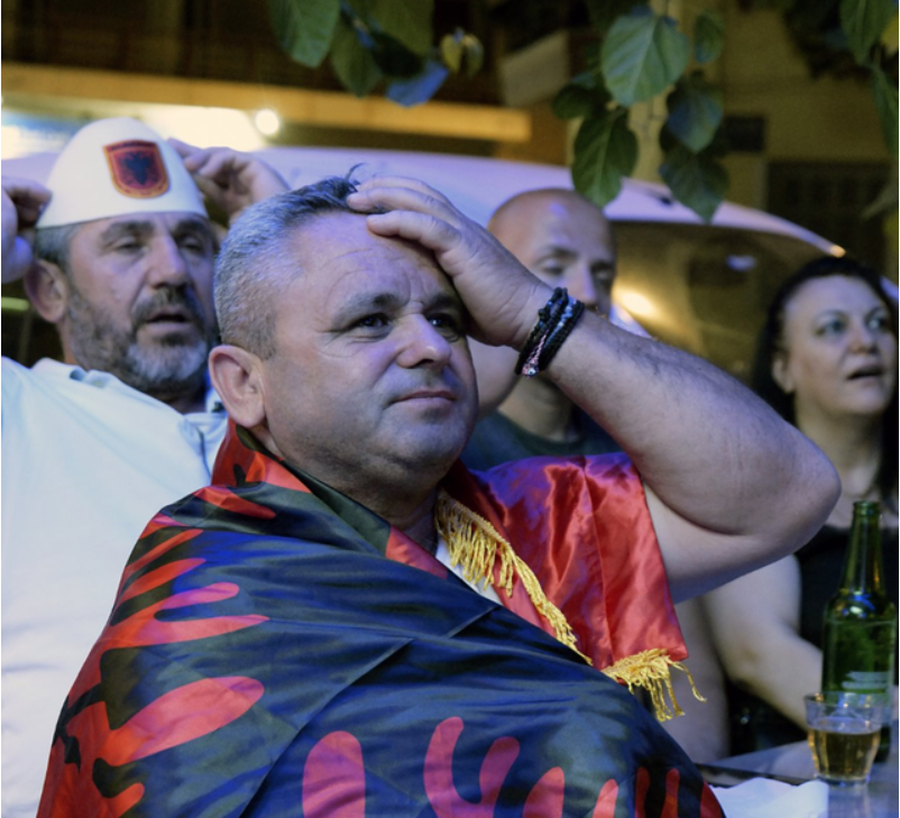
The Albanian national team faced Italy in its premiere at "EURO 2024". We met at Agia Zonis in Kypseli and watched the match with a background of Greek and Albanian flags.
Memes will always tell the truth. One of the most popular that circulates on the Internet is the reminder that "you have two wolves inside you". This photo sums up my Saturday night. In the afternoon at the Pride parade and then, just before 10 o'clock in the evening, in an Albanian cafe in Agia Zoni in Kypseli for the "EURO 2024" match, Italy-Albania. The distance from the flashing to "Kuqezi" (sb "red and black", the nickname of the Albanian national team) is much smaller than it seemed and certainly smaller than the one that separates the Constitution from Kypseli, as evidenced by the cars and motorcycles with flags Albanians who roamed the streets and alleys of "deep Athens".
Arriving at the cafe just before the start of the race, I see that the small space outside the shop is filled with tables. Families, couples and groups mostly sit outside, with a few tables inside occupied by non-smokers. Most of them are wrapped in Albanian flags and black and red scarves, while some wear pleated or celleche traditional hats. The cafe has changed recently and the previous and current owners are from Albania. The shop is called "Kafja e Malsija", a tribute to the birthplace of the owner, Mario. "Malësia" is the name of a geographical and ethnographic region of Northern Albania. The ethnic groups that live there are called "mountaineers". Two large flags can be seen from the entrance of the store: of Greece and Albania.
Just before we hear the national anthem, we all sit down at our desks in front of the TV. We are not many people, but we make noise for a hundred. Patrons order beer, brandy and Albanian appetizers. On the other hand, I ask for a beer, undoubtedly the most stereotypical order of the Albanian diaspora. The hospitality and warmth you feel in such a place is priceless.
The language, the flags, the slogans, the chants, all contributed to creating an atmosphere full of excitement, anticipation and homesickness. As the national anthem ends, everyone breaks into applause and cheers. A more restrained round of applause follows the Italian anthem and the match begins. The stadium is dressed in red and black, as 45,000 fans have come to support the Albanian National Team. "I wish we were in Dortmund tonight," exclaims Peter, the owner's young son. At the same time, my Albanian friends send me pictures of their living rooms with their families, holding flags in front of the TV, giving the feeling that we are all in this together.
Bajram's goal to break the record
"There are Albanian cafes, you just don't understand them. They won't even hang flags to distinguish them", my father had told me in a moment of ignorance. The image of "Malsija Coffee" belies it, at least for this particular Saturday. This match is the premiere of the Albanian national team in EURO 2024. It is only the second time that we have qualified for the final stage of the competition and our emotions are great, but we have no reasonable hopes of qualifying from the "death" group, the second (Spain, Italy, Croatia and Albania). The truth is that the national team is loved and embraced by the world like never before, with many arguing that it is the best of all time. From the first second of the match, we all tuned in, hoping for a miracle.
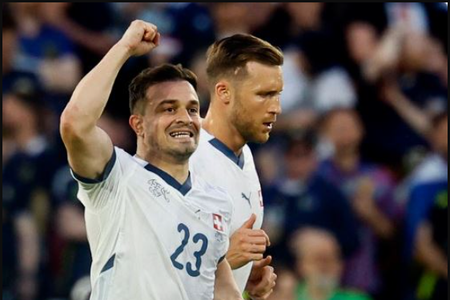
Bajrami has just scored the fastest goal in the history of the competition and everyone is celebrating wildly. In the end, the miracle came much earlier than anyone expected, in a historic moment not only for the Albanian National Team but also for EURO 2024 itself. In the 23rd second, without even knowing that the match had started, Nedim Bajrami scored the goal first of the match against the reigning champions, breaking the record for the fastest goal in the history of the European Championship. Immediately we all rise from our chairs, dancing, clapping and screaming until we're hoarse. Inside and outside the shop they hug, kiss each other and enthusiastically wave their flags and scarves in the air.
Our joy is mixed with shock, which gives it an even more surreal intensity: “What did we see, man? What just happened?' we shout in a mixture of Greek and Albanian, as the Albanian diaspora in Greece is used to speaking, when we are in known places. As a friend of mine commented at our table "if you could harness the energy of the Albanians right now, you could feed a village in Africa for a month".
20 years ago, no Albanian could celebrate
The image of the cafe, the image of the support of the national team in one of the most central streets of Athens, was not always a given. Twenty years ago, on September 4, 2004, the Albanian national team defeated the European champion at that time, Greece, 2-1 in Tirana. In Zakynthos, 20-year-old Gramoz Palousi went out to celebrate the victory and that night he was stabbed to death by Panagiotis Kladis.
I remember that war very well. After Albania's second goal, I didn't have time to celebrate before my mother shut me up. “Shhh, it's dangerous! Someone will listen to us", he had told me with real horror in his eyes. I couldn't understand her reaction, but I will never forget my disappointment. I felt terribly confused because, on the one hand, I couldn't understand the danger my parents were referring to, and on the other hand, I didn't understand why we should watch a game if we can't be satisfied with the team winning.
Pikëpamja e grekëve mesatarë për minoritetin shqiptar ka ndryshuar, ndonëse në mënyrë dramatike ngadalë. E kam diskutuar këtë me një mbrojtës nga Avlona. “Kam tre fëmijë që nuk do të vuajnë kurrë nga racizmi që kemi ndjerë sepse tani gjërat janë ndryshe. Kanë ikur, kanë ndryshuar, nuk kthehen më. Tani e kemi kuptuar se jemi një popull. 10-15 vjet më parë nuk mund të shkoje në një kafene shqiptare duke mbajtur flamurin dhe duke festuar. Ne nuk mendojmë më se ka një klimë armiqësore. Për mua Greqia ishte vendi më i mirë për të emigruar. Cili vend tjetër do të kishte një kulturë, kuzhinë, kulturë apo temperament kaq të ngjashëm me ne? Mendoj se kemi bërë zgjedhjen më të mirë. Në fund të fundit, ne kemi gjak ballkanik në venat tona dhe këtë nuk do ta ndryshoja kurrë”.
Ndërtimi i identiteteve
Eksitimi ynë u zbut paksa kur Italia barazoi në minutën e 11-të. Nervat kanë munguar plotësisht në këtë natë. Mund të ketë pasur zhgënjim, por në asnjë moment nuk u përkthye në zemërim. Përkundrazi, deri në fund të ndeshjes askush nuk e humbi humorin e mirë. Duke komentuar gjysmën në shqip dhe gjysmën në greqisht, ata bënë shaka, ngacmuan njëri-tjetrin, porositën birra, shtruan tavolinat fqinje dhe qeshën së bashku.
Gjatë gjithë mbrëmjes më dukej sikur po shkoja “prapa”. Jo vetëm në atdheun tim, por në një të kaluar që nuk arrita ta jetoj. Kafeneja në kulturën ballkanike ishte një vend kyç për shoqërim, shkëmbim informacioni, lidhje aleancash dhe argëtim. Sot, kafenetë dhe baret e reja mund të shfaqen çdo ditë në çdo cep të qytetit, por ajo që ka ndryshuar është mënyra se si lëvizim në hapësira të tilla dhe mënyra se si u japim kuptim. Secili prej nesh është ulur në tavolinën e tij, ose vetëm me laptopin ose celularin e tij ose me shoqërinë e tij. Në çdo rast, ne nuk shkojmë më në kafene për të takuar njerëz dhe pothuajse nuk ka asnjë ndërveprim me pjesën tjetër të tavolinave. Patronët e dyqanit janë policët, një zhurmë që përzihet me muzikën në sfond. Ajo që po ndodhte te “Kafja e Malsisë” më kujtoi kafenetë e së shkuarës. Patronët dukej se e njihnin mirë njëri-tjetrin, duke krijuar një ndjenjë të vërtetë fqinjësie, e cila nuk mungon vetëm këto ditë, por është nën persekutim, në zhdukje.
Mirëpo, ky imazh jo vetëm që të çon në një udhëtim drejt së shkuarës, por përmban brenda saj diçka krejtësisht “të re”, diçka që ende po ndërtohet, lind dhe zihet. Në hapësira të tilla krijohet dhe riprodhohet identiteti greko-shqiptar . Dëshmia më e qartë për këtë ishte gjuha me të cilën komentuam ndeshjen: greqisht-shqip. Greqisht -Shqipja është gjuha që flas me familjen time, është gjuha e shtëpisë sime. E “qarkulloj” rrallë jashtë shtëpisë, sepse thjesht nuk e kam komoditetin. Vetëm një shqiptar në Greqi e kupton veçorinë e këtij ndërrimi të kodit gjuhësor që lindi këtu, në Greqi, në shtëpitë e emigrantëve. Përvoja e çdo emigranti është e ndryshme dhe vendi pritës luan një rol të rëndësishëm në formimin e identitetit të tij kombëtar dhe kulturor. Kështu, shqiptarët e Athinës dhe ata të Romës, të Bronksit, të Frankfurtit apo të Londrës kanë një kulturë të ndryshme, edhe pse të gjithë e kemi nisur nga e njëjta pikënisje: ajo e emigrantëve apo e pasardhësve të emigrantëve. Shqiptarët e Greqisë janë tashmë grupi më i madh i emigrantëve në Greqi. Sipas një raporti të Ministrisë Greke të Migracionit dhe Azilit në vitin 2022, 291.868 emigrantë shqiptarë jetojnë në Greqi me leje qëndrimi të vlefshme, duke përbërë 61.4% të të huajve të vendit.
Kafenetë që rezistojnë
“Kafeneja jonë është një vendstrehim për emigrantët shqiptarë në Kypseli”, më thotë gruaja e pronarit, Marcela. Unë i përgjigjem se këto ditë fantazmat vazhdojnë të zhduken, por ajo shpjegon se në rastin e tyre nuk është kështu. Që nga kohra të lashta shkonin familjarisht në kafenetë e drejtuara nga shqiptarët për të parë ndeshjet. Vitet e fundit, Kypseli i është dorëzuar gjithnjë e më shumë gentrifikimit, me shumë nomadë dixhitalë evropianë dhe amerikanë që gjejnë strehim të lirë këtu. “Ky fenomen ndodh kryesisht në Fokionos Negri. Në lagjen tonë ende nuk kemi parë aq shumë. Do të vijë patjetër edhe këtu”, më thotë ai.
Ata hapën “Kafja e Malsisë” 2-3 muaj më parë dhe tashmë është kthyer në një strehë për komunitetin shqiptar të zonës. Duke folur shqip, më shpjegon se këtu mblidhen për të festuar pagëzimet, ditëlindjet, fejesat. Ata mund të mos kenë “drejtuar” prej kohësh dyqanin, por kujtojnë dy festa të mëdha që kanë organizuar së fundmi. “Ne jemi katolikë kështu që e festuam vetë Pashkët me gosti, ushqime tradicionale, shumë mish dhe pije. Por në të njëjtën mënyrë e festuam edhe Pashkët ortodokse. Ne mund të mos jemi ortodoksë dhe shumica e të njohurve tanë janë gjithashtu katolikë, por ne i festojmë gjithmonë festat greke. Pse jo; Kjo është shtëpia jonë e dytë. Fëmijët tanë kanë lindur këtu. Ne duam t'i mësojmë ata të duan dhe të respektojnë kulturën dhe historinë e të dy vendeve," më thotë Viktoros, kushëriri i pronarit dhe kumbari i Pjetrit.
After the match ended, most people stayed at the tables ordering another round of beers, not paying much attention to the final score of the match which found Italy victorious. The match was just an excuse to get together and proudly celebrate with each other. "For our pleasure! Cheers, cheers (= greetings)!' . If someone didn't know, they wouldn't understand that we lost today. The only one who looks strange is little Peter. "Did you expect us to win today?" I ask him in Greek. "He spoke Albanian, he speaks it well", Marcela tells me. I repeat the same question to our parent. "Yes, I hoped so. It's not that I expected it, but I loved it very much and I thought until the last moment that there could be a change". "Well, at least we broke a historical record and by a margin. So we all came out victorious, - I answer and he smiles with his eyes fixed on the table. It was time to go home. In the next match I will be there again, as a family./ Tovima.gr


Lini një Përgjigje