


 Shkruar nga Pamfleti
With the World Cup draw taking place this Friday in Washington DC (18:00 Albanian time), fans and businesses are being warned that extreme heat, bad weather and poor air quality could have significant consequences during the 2026 tournament.
As the 16 host cities in the US, Canada and Mexico prepare stadiums, recruit staff and beef up security, experts point out that one thing remains out of control: the weather.
The tournament will take place in June and July, the hottest times of the year in North America. This raises concerns about extreme temperatures, wildfires and even hurricanes, which could affect players, fans and stadium workers.
A recent report reveals that 10 out of 16 stadiums are at "very high risk" from extreme heat.
According to Maddy Orr, a researcher on the impact of climate on sports, the biggest costs could come from the cancellation of matches.
"If an event is canceled, ticket refunds and payment for staff who showed up may be required," she says.
During last summer's FIFA Club World Cup in the United States, there were numerous delays due to heavy rain and storms. Several matches in Orlando, New Jersey and Cincinnati were postponed for more than an hour, while one was delayed for over two hours.
Organizers face legal obligations, television contracts and sponsorship deals, which can cost millions if a match doesn't go ahead as planned.
Travel experts advise fans to take out travel insurance and read the terms of the policies carefully.
Lisa Webb from Which magazine explains that there is a big difference between a cancelled match and a postponed one.
If the match is cancelled, the ticket will be refunded. If it is postponed, the ticket remains valid and fans must cover any additional travel or hotel costs themselves.
She also advises flexible hotel bookings and avoiding no-cancellation policies. Large payments are recommended to be made by credit card, which offers better refund options in the US, Canada and Mexico.
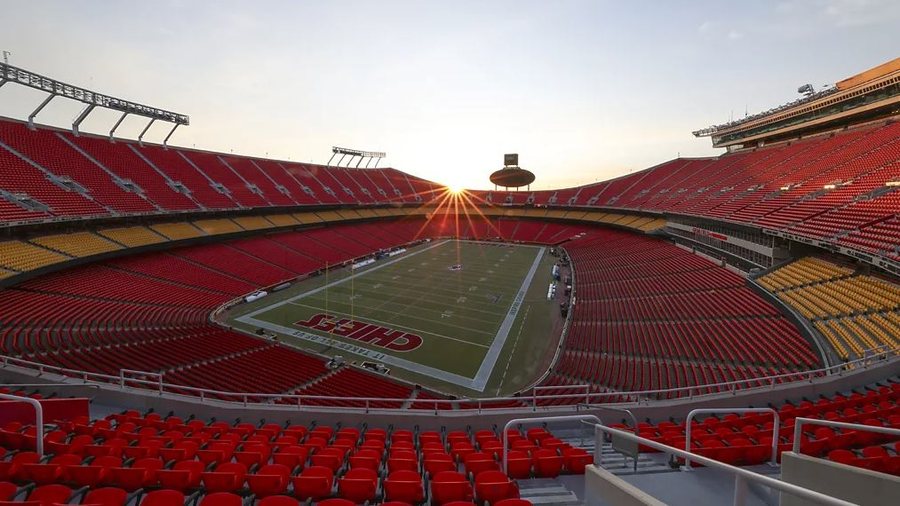
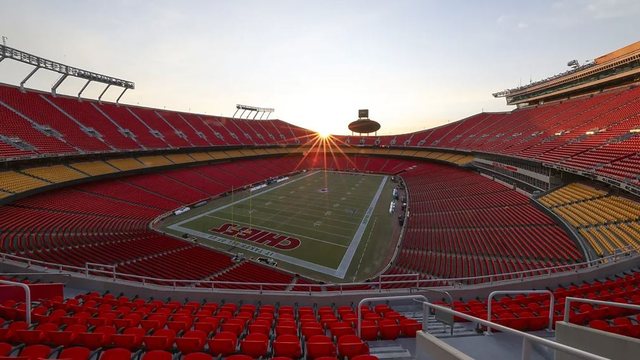
In Kansas City, one of the cities most at risk from extreme heat, cooling spots, humid air fans, shaded areas and hydration stations are being installed for hundreds of thousands of visitors.
A regional heat task force, made up of doctors, meteorologists and sports coaches, has also been created to monitor and manage conditions in real time.
Fans will also receive phone notifications with hydration advice and protective measures before heading to the stadium. However, organizers admit they cannot control every factor. FIFA sets the match schedules, while cities can only offer recommendations.
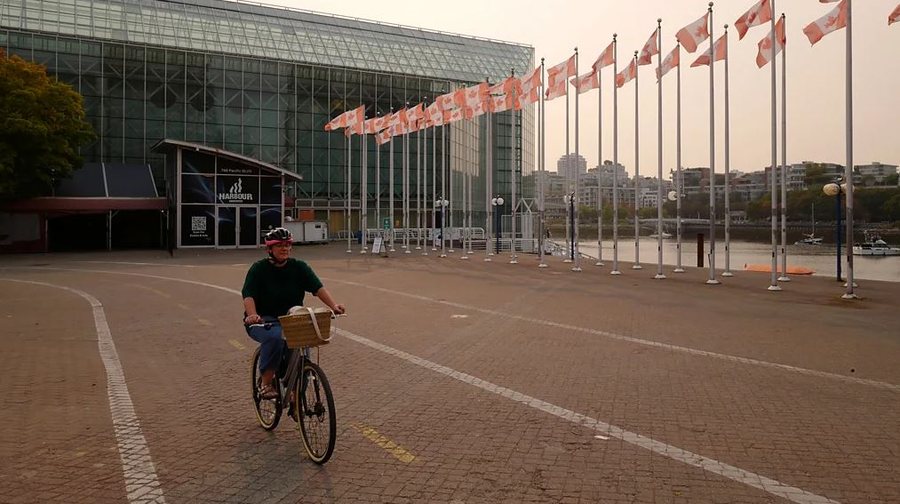
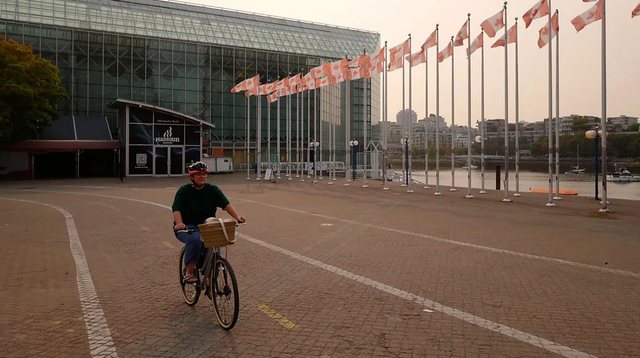
Although attention has focused on American cities, experts warn that Toronto and Vancouver have experienced extreme heat and pollution from wildfires in recent years.
If a city becomes "unfit for play" due to heat or smog, quick fixes and possible relocation of matches will be required.
Despite the challenges, local businesses are hoping for a record year. In Vancouver, merchants are bracing for increased sales of souvenirs and sporting goods, expecting a boom in visitors.







Lini një Përgjigje