


 Shkruar nga Pamfleti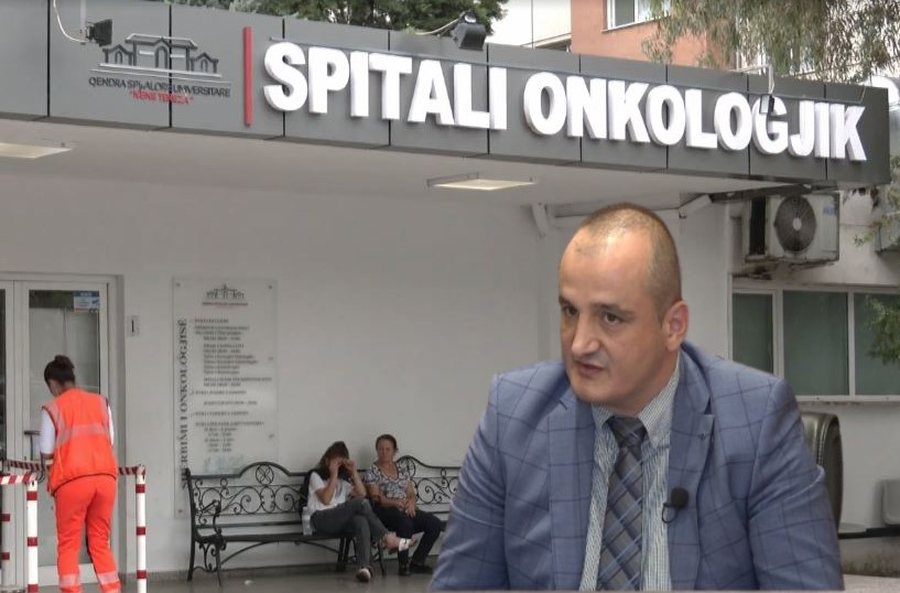
In Albania, about 6 thousand new cases are identified every year with tumor diseases. And while the number of patients with these diseases is increasing, a report of KLSH highlights many weaknesses of the health system in their treatment. Some have to do with shortages of medical staff, drugs and medical equipment or centralization of services. These weaknesses were recently added to a scheme of abuse with tumor patients, where it is thought that several doctors of the Oncology Hospital in Tirana were also involved. The Voice of America brings an analysis of this situation through the findings of an audit of the Supreme State Control, affected patients, their families and doctors.
In the premises of the Oncology Hospital in Tirana, the struggle between life and death is perhaps stronger than anywhere else. But deficiencies in service delivery make it tougher and more painful. Tens of hundreds of citizens from all over the country receive services every day in this health institution, from chemotherapy, radiotherapy, consultations or various checks. In Albania, about 3,000 citizens die from tumor diseases every year, and the mortality from them ranks third with 13.5%, after those of the circulatory system, and diseases with undetermined causes. But although these deaths carry a high weight and new cases are on the rise, a report by the KLSH also highlights many weaknesses of the health system in their treatment.
Even the Prosecutor's Office of Tirana is recently investigating a scheme of abuse with patients of the oncology hospital where it is thought that several doctors, specialists and administrators of a private clinic and pharmaceutical warehouse are involved, among them ex. Deputy director of QSUT Brikena Qirjazi.
Through various forms, patients were directed to a private clinic, to receive medical services, according to the prosecution. Some citizens told VOA that they witnessed such a scheme, while there were those who asked to remain anonymous.
" We were told that the examination had to be done quickly, not to waste time. We did the scanner, the biopsy, the tests here in Tirana at the "Megis" clinic, which is also mentioned by the prosecution", says the relative of a patient from Korça.
" In the private system, we spent a lot of money in the beginning, without even coming to the Oncology hospital. We needed to get the diagnosis quickly. They took us to a private clinic that had a doctor here from the hospital. We did it all and came to the state. My husband, who suffers from a tumor, is currently being followed by a doctor and a very good person from the Oncology Hospital ", says Sanie Xhixha from Tirana.
Various patients tell VOA that they face long waits to receive services at the Oncology Hospital. KLSH connects this with the insufficient number of oncologists, 55 in the whole country, 24 in Tirana, as well as with the lack of medical equipment and infrastructure in regional hospitals to provide full services for tumor diseases.
The staff of 24 doctors in the oncology hospital handles 108 visits and consultations per day, treats 75-80 patients with chemotherapy and 22 patients with radiotherapy. (this does not include surgical interventions, emergency and doctors on call every day). These data indicate a high volume of doctors' work, according to the KLSH.
Even the number of "virtual bed" armchairs is small - it says in the report - only 19 such, although during the day 75-80 patients are treated with chemotherapy, from all over the country. "Regional hospitals do not have full hospital capacities, equipment and beds, and as a result, the Oncology Hospital in Tirana bears the biggest load with chemotherapy" - underlines KLSH.
On the other hand, the Radiotherapy service is also centralized, it is separated in the report. It is offered to all patients only in this hospital. The Voice of America talked to several patients from different parts of the country about these difficulties. They came from Korça, Dibra, Tropoja, Gramshi, Përrenjasi or Laçi, and were treated at the oncology hospital with radiotherapy, chemotherapy and performed numerous checks.
The HSC report notes that during the three-year audit period 2020-2022, 600 female patients did not receive radiotherapy treatment with Brachytherapy as it did not work. Likewise, the Ortovoltaž medical device, put into operation since 2002, had a defect, for a certain time during the audit, leaving 200 patients without treatment, while the new device was not put into operation. Even some other elements in the radiotherapy unit, it is said in the KLSH report, such as the Tubes of the Electric Syringe Apparatus, Pumps and individual thermoplastic masks, were missing.
Despite the claims of official authorities that healthcare is free, citizens are forced to pay out of pocket for drugs and services provided in the public system. Patients and their relatives confirmed to the Voice of America the constant concerns about the lack of drugs in the treatment of tumor diseases. Some are provided by the Oncology Hospital, but others they are forced to buy themselves, often at high costs.
" I buy half of the medication for my wife, because the Oncology Hospital does not offer it. We are retired, I had heart surgery. Our income is low to cover these expenses ", says a citizen from Përrenjasi.
" A relative of mine receives 80% of the treatment with payment. The treatment is done here, but the needle was bought in Kosovo for 3,000 euros a needle ," says Përparim Lama from the city of Laç.
“Bashkëshorti im është në vitin e tretë të sëmundjes tumorale. Mjemimin pothuajse e kemi marrë nga strukturat shtetërore, por kemi marrë dhe me lekë, kur nuk ka patur në sistemin publik”, thotë Sanije Xhixha nga qyteti i Tiranës.
Ndërkaq raporti i KLSH, thotë se shpenzimet financiare për trajtimin e sëmundjeve tumorale, nuk janë rritur, por janë mbajtur pothuajse të pandryshueshme, ndërkohë që numri i pacientëve të diagnostikuar dhe të trajtuar me sëmundje tumorale është në rritje.
Gjatë përgjimeve të prokurorisë së Tiranës, evidentohen disa shqetësime të ngritura nga qytetarët në komunkimet mes mjekëve, të cilët i kërkojnë favore njëri-tjetrit, për trajtime të pacientëve jashtë planifikimit, apo edhe raste kur bëhet fjalë për rryshfete..
Autoritetet zyrtare kanë njoftuar auditim dhe hetim administrativ dhe kanë shprehur keqardhje për rastin në fjalë, por deri tani nuk kanë dhënë një zgjdhje për këto forma korrupsioni, dhe nuk kanë thënë se kush mban përgjegjësi për to.
Hetimet e prokurorisë hodhën dyshime dhe mbi tregtimin e barnave spitalorë për trajtimin e tumoreve në disa farmaci. Zëri i Amerikës bisedoi dhe me mjekun Sotiraq Senjo në Spitalin Onkologjik mbi mënyrën e mjekimit të pacientëve me kimioterapi dhe burimin e furnizimit të spitalit me këto kura.
“Mjekimi vjen nga farmacia qëndrore, nga kapa qëndrore. Çdo gjë tretet në kapë dhe vjen e tretur tek pacienti. Dhe nuk ka kontakt me ilaçet mjeku, ai thjesht plotëson një recetë. Ndërsa medikamentet pacienti i merr në farmaci. I merr me kod, shkon dhe i tërheq. Nuk ka lidhje asnjë mjek me këtë”- thotë Sotiraq Senjo, mjek kimioterapeud në Spitalin Onkologjik.
KLSH në raportin e tij mbi performacën e spitalit onkologjik, nënvizon se për periudhën 3 vjeçare të auditimit Ministria e Shëndetësisë dhe QSUT, nuk kanë realizuar procese auditimi dhe monitorimi pranë Spitalit Onkologjik dhe shërbimeve spitalore të cilat trajtojnë sëmundjet tumorale. Sipas KLSH kjo shton riskun për uljen e cilësisë së shërbimit të pacientëve me këto sëmundje.
Deri në përgatitjen e këtij materiali Drejtoria e Qendrës Spitalore Univeristare Nënë Tereza, nuk ju përgjigj interesit të Zërit të Amerikës në lidhje me problematikat e evidentuara në raportin e KLSH-së.
Kryetari i KLSH Arben Shehu i tha Zërit të Amerikës se në fushën e shëndetësisë janë kryer disa auditime, të cilat janë objekt kallëzimi në Prokurorinë e Posaçme, ndërsa njoftoi së shpejti një kallëzim të ri.
“Jemi në proces të disa auditimeve të tjera procedura që janë pjesë e sistemit të shëndetësisë dhe lidhen direkt sidomos me procedurat e prokurime publike në qendrat spitalore. Jemi në përfundim të analizës së detajuar juridike për t’i drejtuar në Prokurorinë e Posaçme”, shprehet Z. Shehu.
The investigations of the Prosecutor's Office of Tirana on a suspected scheme of abuse related to the treatment of tumor patients, which were accompanied by security measures, house arrest and mandatory appearance for the persons under charge, most of them doctors, have provoked a wide wave of debate also on the networks social. Many citizens and well-known public figures are denouncing on social networks, personal cases of dealing with health structures in the treatment of tumor diseases, which represent a constant challenge for the health system in Albania. / VOA



Lini një Përgjigje