


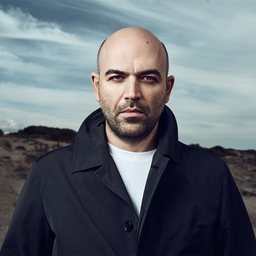
 Shkruar nga Roberto Saviano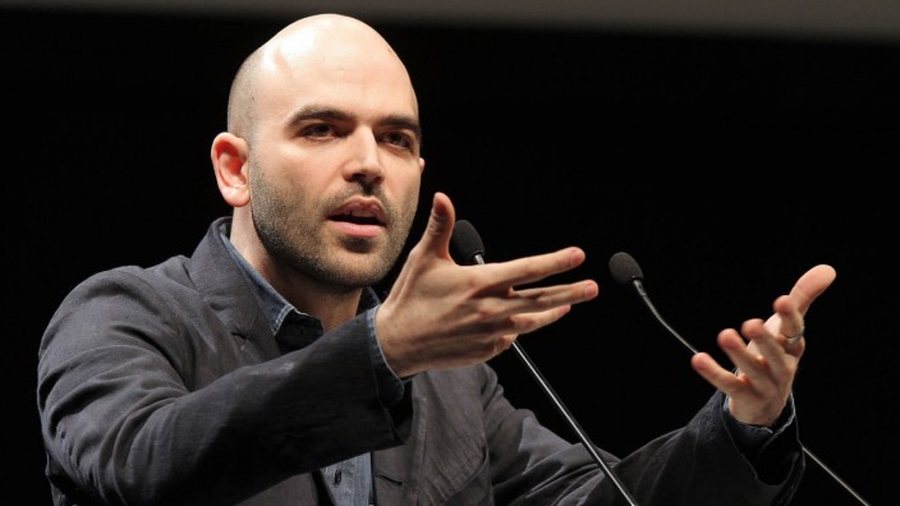
In fact, the base of one of the most organized Albanian mafia groups, Kompania Bello, moved to Ecuador...
A few weeks ago Ecuador went through a nightmarish time, when the country was engulfed in gang violence and television journalists broadcast millions cowering before people who had guns pointed at their heads. However, this could be defined as a "drug coup".
It had never happened in this form, on this scale, anywhere else. It was not comparable to the uprisings that happened before. It was not like General Augusto Pinochet's coup d'état in Chile in 1973, and it had nothing to do with the rule of the Argentine colonels or the coup d'état in Venezuela in 1992, because it did not aim to seize power, or to occupy the government with ministers, or to replaced formal control.
The only goals of drug trafficking cartels are to force political and economic power to negotiate, to gain impunity, to have room for maneuver to protect their jobs and, ultimately, to remind politicians of any orientation that their legitimization is possible only with the consent of the cartels.
Something similar, but with different methods and timing, happened in Jamaica in 2010, when then-US President Barack Obama called for the extradition of Christopher "Dudus" Coke, a powerful Jamaican drug lord, and gangs his rose up to prevent him. There were at least 75 dead, but it was a spur-of-the-moment uprising of gangs ruled by Dudus. In 2021, there was also the assassination of Haitian President Jovenel Moïse, who was working to hand over traffickers to the US in exchange for economic aid, and was killed by conspirators hoping to replace him.
All these incidents have one element in common: when governments disfavor the interests of criminal groups or favor the extradition of bosses, the cartels intervene with the same methods they would use if they were facing criminal rivals as equals.
The drug coup has a strategy to generate chaos, violence, fear and terror, and the approach is simple: shoot anyone, bomb the streets, riot the prisons, make ordinary life impossible. There is no military direction, the tools are elementary. Each trafficker can take inspiration from other members; therefore it is impossible to break the chain of command.
According to Ecuadorian officials, the order for the uprising came from Fito, the alias of José Adolfo Macías Villamar, leader of Ecuador's most influential criminal cartel, Los Choneros. Fito escaped from prison in Guayaquil, but no one noticed until January 7, shortly before he was transferred to a high-security prison. When the Ecuadorian president, Daniel Noboa, learned of the escape, he declared a state of emergency for 60 days. This decision led to the uprising.
It's easy to see why: a state of emergency means a halt to the cartel's activities, with millions of dollars lost every day, and that might have prompted someone to betray Fito - by killing him or handing him over to the police. These are the rules of mafia capitalism: loyalty only to the power that allows you to do business. Fito ordered the uprising to save himself.
The tipping point for Ecuador occurred in 2018, when the Mexican Sinaloa cartel, led by Joaquín "El Chapo" Guzmán and Ismael "El Mayo" Zambada, decided to move most of its cocaine leaf storage to Ecuador.
They hoped to find a new center for the shipment of cocaine to North America, and especially to Europe and Asia, but there was another reason. Much of the cocaine left Venezuela, a failed state with a criminal cartel fully allied with the military, the Cartel de los Soles (Cartel of the Sun), which by managing the transportation of cocaine drives up the price. To put an end to this control, since 2008 the Sinaloa cartel started talking to a small criminal group in Ecuador: Los Choneros.
10 people were involved in that first conversation. Today, between soldiers and supporters, 10,000 are involved, with a connected network of "workers" reaching about 1 million of Ecuador's 18 million inhabitants. The initial deal was simple: store the cocaine and you'll earn $1 million a week pre-refined. Los Choneros fulfilled that task, so Sinaloa gave it an additional task: to process the cocaine that goes from Colombia to Ecuador.
Then the big task: after storage and refining came shipping, as Los Choneros managed to gain control of the ports. Two incidents in recent years tell us a lot about Ecuador's centrality in the drug trade: a shipment seized in 2022 bound for Georgia and another shipment seized in May 2023 by authorities in Armenia. Ecuadorian or Mexican drug traffic has begun to flood Eastern Europe with cocaine, taking advantage of the inadequacy of post-Covid port controls and the conflict between Russia and Ukraine.
Pra, si reagoi qeveria e Ekuadorit ndaj grushtit të shtetit të drogës? Pikërisht siç priste karteli: me një përshkallëzim dhune. Qeveria u dha imunitet të plotë të gjitha forcave të policisë dhe vendosi dhjetëra mijëra anëtarë të forcave të armatosura si pjesë e gjendjes së jashtëzakonshme për të luftuar një "konflikt të armatosur të brendshëm". Por kjo nuk do t'i zgjidhë gjërat: Los Choneros ka vlerësuar masakrën në radhët e saj, por e di se qeveria do të negociojë herët a vonë.
Dhuna është e rrënjosur. Në gusht, Fernando Villavicencio, rivali më i rëndësishëm i presidentit aktual, u vra, me kartelet ekuadoriane që mendohej se ishin përgjegjës. Të njëjtin fat patën Pedro Briones, një anëtar i së majtës radikale ekuadoriane, dhe Agustín Intriago, kryebashkiaku i Mantës, vendlindja e Los Choneros.
Nga këto, Villavicencio është interesant sepse dëshironte të forconte marrëdhëniet me Britaninë. Më shumë se 18 ton kokainë u kapën në Angli dhe Uells në mars 2022, pjesa më e madhe e së cilës, sipas Agjencisë Kombëtare të Krimit, u porosit nga kartelet shqiptare që furnizohen në Ekuador.
Në fakt, baza e një prej grupeve më të organizuara të mafias shqiptare, Kompania Bello, u zhvendos në Ekuador. Një eksod i trafikantëve të drogës nga çdo pjesë e botës në brigjet e Ekuadorit është për shkak të rritjes së prodhimit të kokainës. Zyra e Kombeve të Bashkuara për Drogën dhe Krimin raporton se nga viti 2020 deri në vitin 2021, kultivimi i kokas u rrit me 35%. Kjo shifër nuk ka reshtur së rrituri.
Ekuadori pushtoi titujt botërorë në ditën kur studiot televizive u pushtuan, por bota ka ecur përpara, jo më pak sepse në komoditetin e Evropës, ne i kemi lejuar vetes luksin për të injoruar këto vrasje dhe aq më tepër kërkesës në rritje për kokainë që vjen nga çdo cep i botës. Ne nuk kemi qenë në gjendje, të analizojmë me të vërtetë atë që po ndodh. Si rezultat, ne i kemi lejuar kartelet kriminale të hanë demokracitë perëndimore nga brenda.
Ajo që po ndodh në Ekuador është një histori që shqetëson të gjithë, sepse përdorimi i drogës nuk është e ndaluar tani, por normë. Vitin e kaluar, një studim ndërkombëtar zbuloi se britanikët janë bërë përdoruesit e dytë më të mëdhenj të kokainës në botë. Dhe kjo nuk është vetëm një çështje morale, sepse trafiku i drogës dhe mafia nënkuptojnë tregje të dopuara, biznese me konkurrencë të pandershme, korrupsion dhe manipulim të konsensusit publik dhe, në fund të fundit, shkatërrim të rregullave demokratike të qeverisjes.
Mungesa e një reflektimi serioz mbi varësinë dhe konsumin e drogës, e një diskutimi kuptimplotë mbi legalizimin e drogës, çon pikërisht në atë që po ndodh në Meksikë dhe Ekuador. Kushtojini vëmendje skenave të dhunshme në rrugët e Ekuadorit dhe do të kuptoni se çfarë janë në gjendje mafiet.
We have two paths ahead: either we deal seriously with drug trafficking, or drug trafficking will continue, by military means, to conquer democracy, or what is left of it. /Adapted "Pamphlet" from "The Guardian"




Lini një Përgjigje