


 Shkruar nga Pamfleti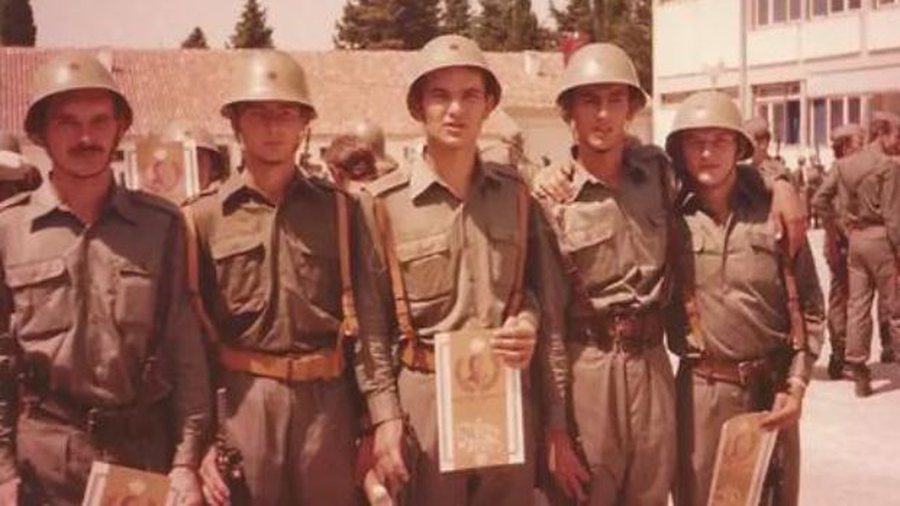
I will write from my memory, even though almost three decades have passed. This is a more or less biographical, personal story in which, with the utmost sincerity and respect, I will also write about other people, that fate may assign us to meet, get to know and share everyday life with. . I was poor. I was the only one in the family who was working. This was also the reason why for years I made chalk dodges in the Yugoslav military service, every time I received an invitation.
In my heart, I wanted him to never do that service, because I didn't want to serve the army which, for four decades, had conquered and ruled me. Several times I even thought of injuring myself, so that some handicap or disability would be caused, which would free me from joining the conqueror's army. God often listens to our thoughts.
"They didn't, that's the rules of the army. Comrade lieutenant, with all due respect to the army and military laws, I can't do this. I will go to the city and clean myself there, in the public bath of the city. I stuck my leg out and surprisingly I convinced him that he gave me three free hours to go and clean up in the city.
This case became a topic of gossip among the soldiers afterwards. Adem Zekaj told me that, well, I was so stubborn, I asked to be respected as a human being, not to be treated like an animal.
After wearing my uniform, I approached a mirror and surprisingly, I didn't recognize myself. I had a heart attack. I looked as if those partisans I had seen in the movies, about whom my father had told me, had committed massacres in Drenica and all over the Albanian lands. You promise yourself that I will do my best, that at any price, I will never complete my duties, as required by the military work regulations, which they called the SLUZHBE RULE.
Not to be glorified today, after so much time, but while I was there in Bihaq, for those three months and days, a course practitioner or, as they called it; "OBUKA", I managed not to perform any of the tasks or obligations. I complained that my ankle hurts, they sent me to the city hospital, there they diagnosed the injury I had, then they sent me to Zagreb, to the well-known hospital "SHALLATO" and they also said that it would be best if I was released from further service . Mirpo lieutenant Jokanovic, came out with his position on Friday.
Until he was in command of the military unit I was in and until my quarter term was up, I would not be released. Then he would send me to another town and another barracks and, then there, my fate would be decided. He stuck his leg in his, while I limped through the day and did no service.
They took off my shoelaces, put me in the hospital. Fortunately, there were many books there and I spent the day reading. There I learned almost by heart the work regulations and the rights and obligations of soldiers.
This continued until the day three months passed and I was informed that they would send me to Zagreb, because there they would send me to the hospital and heal my leg.
Four days before leaving for Zagreb, a general alarm occurred in our barracks. Even though I was in the hospital, I was forced to go out to the appointed place, which I remember was next to a big oak, which I remember was a hundreds-year-old plane tree.
There was also another soldier who told me he was Slovenian. While he and I were standing and shivering from the cold, we suddenly heard first a rifle crack, then a burst of machine gun.
I saw that from the eastern side of the place where I was standing, a red flame went towards the sky. A few minutes passed, at most 10-15, when the alarm was given to return to the barracks. I came and that Slovenian who, when he saw that I speak Slovenian, was humane and took my arm and helped me to walk limping through that big snow.
I came to the hospital. There were two ambulance cars and an old soldier at the door, not allowing me to enter the room, where I had our weather. "No - he told me - you have to go to your company. An accident has happened and the hospital is busy tonight".
I had nothing to do, I went there and the caretaker found me a bed, where I slept that night.
The next day they woke us up with the usual trumpet blast and with the same procedure. Right at the door of the room, a junior officer came to us, I think he was an ensign and told us that; after we are cleaned, we must immediately gather on the track, where the commander of the barracks, colonel Rade Llukaq, will inform us about a case.
Everything was done quickly, the minutes flew by and we found ourselves lining up on the track. I sensed a tension in everyone, Lieutenant Jokanovic, came gloomily and silenced them. When he saw the colonel coming, he gave us the command and ordered us to greet the colonel.
Colonel Rade Llukaq took the floor; "Dear soldier, I regret to inform you that an accident happened last night, a friend of yours killed the soldier Dragan Kovačević. After seeing that his friend was dead, the soldier in question committed suicide. This soldier belongs to the Albanian national minority. So we have two soldiers killed".
Adem Zekaj and I look at each other. If someone stabbed us, not a drop of blood would come out. We realized that it was a terrible game. The colonel then spoke for a few minutes, praising the two soldiers who had lost their lives, but I was impressed by one fact: He did not say the name of the Albanian soldier?!
Ata ushtarët e rinj, që kishin ardhë së bashku me mue, ishin të gjithë. Cili paska qenë ai ushtarë shqiptarë, që neve nuk e paskemi njoftë?! Pas dy ditve, nga nji ushtar (boshnjak me kombësi), mësova se paska pas qenë nji ushtar i vjeter, i cili paska pas edhe nji javë për ta krye sherbimin dhe me shkue te familja e vetë. Ushtari që më tregojë, ishte nji ushtarë i vjetër, që punonte në kuzhinë.
Nuk ja dinte emnin, as nga cili qytet ishte nga Kosova. Por dinte se atë e kishin pas mundue përgjat tanë kohës së shërbimit dhe ai nuk ishte shoqnue me askend. Kishte qen tip vetjak. Mirpo ishte edhe nji çudi tjeter. As ky ushtari që më foli për shqiptarin e vramë, e as askush tjetër, nuk e njifke viktimën tjetër, Dragan Kovaçeviç…?!
Unë sot nga ajo largësi kohore, nuk di saktësisht, cila ishte data e këtij rasti, mirpo mund ta bajë nji llogari. Shërbimi im pat fillue me 6 janar 1981. Kursi ushtarak, do zgjaste tre muej, pra 90 ditë, që do thotë se ka qenë diku përafërsisht, fillimi i prillit të vitit 1981.
Në Kasermën “7 Korriku”, në Bihaq të Bosnjes, u vra nji ushtar shqiptarë, identitetin e të cilit, askush nga neve ushtarve të rinj, që ishim në atë kasermë, nuk e ditëm as nuk arritëm ta mësojmë kurr…!
LAJMI PER DEMOSTRATAT STUDENTORE TË MARSIT 1981, NË PRISHTINË
Qëllimisht i kam dhanë titullin “Ushtarët Shqiptarë në Zagreb gjatë vitit 1981 – 1982”, sepse atje ndodhën ngjarje të ndyshme, por meqënse unë fillova shërbimin së pari në Bihaq të Bosnjes, e fillova edhe këtë shkrim, me përjetimet e mia në Kasermën “7 KORRIKU”, në Bihaq.
Neve, ushtarët shqiptarë në Kasermën “7 KORRIKU” në Bihaq, nuk kishim idenë se çka ka ndodhë me 6 mars në mencën e studentëve të Universitetit të Prishtinës. Na u dha alarmi për ngritje nga gjumi si zakonisht, në mengjes të 7 marsit 1981.
Pas kryemjes së obligimeve të zakonshme, që tashma kishin kalue në rutinë për shumicën tonë, neve u renditëm në “PISTË”, ku pritnim se cilat do jenë detyrat dhe obligimet, që duhet t’i kryenim atë ditë.
Togeri Millorad Jokanoviq, nëntogeri Rasim Deliq, nji rreshter, nji flamurtar dhe edhe nji kapiten i klasit të parë, që për neve ishte i panjohun, duelen nga zyrat e komandës dhe u drejtuen kah neve, që ishim rendue me komandën e nji rreshteri kujdestar.
Pasi rreshteri kujdestar i dha raportin togerit Jokanoviq, ky i fundit mori fjalën. Na përshëndeti dhe prezantojë për neve, musafirin nga Zagrebi, kapitetin Ljubomir Cvetkoviq. Pas kësaj, na tha se pas pak do vinte koloneli Rade Llukaq dhe do na jepte nji informatë të randësishme, për nji ngjarje që kishte ndodhë një ditë më parë, në krahinën tonë ma jugore, në Kosmet, gjegjësishtë në kryeqendrën e saj, në Prishtinë.
Unë dhe Adem Zekaj, ishim afër njani tjetrit, kurse në rreshtin përball nesh, ishin Dalipi, Skënderi, Shefketi (preshevari) dhe nji tjetër nga nji fshat i Therandës, (Prizrenit), me mbiemnin Dakaj. Emni nuk më kujtohet tani.
Ky kishte qenë në spital në kohën kur unë erdha të shërbejë dhe me të u njoftova ma vonë. Ishte nji djalë i urtë, por kishte probleme që nga lindja, me këmbët të cilat, i kishte me defekt në kuka. Kishte pas shumë operacione, por jo me plot sukses.
Pra, pasi togeri Jokanoviq përmendi Prishtinën, neve ushtarët shqiptarë instiktivisht shiquem njani-tjetrin. Këto shiqime tonat, nuk i kaluen pa u pa synit kriminel të togerit Jokanoviq, por edhe kapitenit musafir, Cvetkoviq.
Erdhi ma në fund koloneli Rade Llukaq. Na dhanë komanden; gaditu, ju raportue kolonelit dhe pas komandës; qetsohu, koloneli Llukaq, fillojë me folë me nji tonë disi të “dhimshëm e vajtues”!
Ky ishte përafërsishtë fjalimi i tij, të cilin ata e quejtën fjalim, ndërsa unë do e queja njoftim!
“Të dashtun shokë ushtarë, me keqardhje kamë obligim nga lartë, pra nga Komanda e Armatës së V-të, pjesë e së cilës asht Kaserma e jonë dhe neve, të ju njoftojë se ditën e djeshme, pra me 06. mars 1981, në mencen e studentëve në Prishtinë, nji grup i studentëve të pakices kombëtare shqiptare, janë rebelue për shkak se sipas tyne, kushteve të këqia për të studjue në atë Universitet, ushqimit të dobët dhe disa padrejtësive të tjera, që atyne ju duket se u bahen.
Ata kanë protestue per disa orë dhe kanë dalë me kërkesa të qarta, si dhe me kërcnimin që; nëse ato nuk plotësohen dhe nëse nuk përmirsohen kushtet e tyne, ata do dalin ma masovikisht të demostrojnë. Protesta u shpërnda pa pas nevojë të intervenojë policia dhe gjithçka atje asht e qetë dhe nën kontrollë….”!
Kjo ishte përafërsisht ajo që foli koloneli Rade Llukaq. Kur ai përfundojë, na njoftojë se; ushtarët e pakicës kombëtare shqiptare, në këtë kasermë, do kenë sot biseda veç e veç, pra në katër sy, me kapitenin Ljubomir Cvetkoviq, që ka ardh enkas nga Zagrebi, për të bisedue me neve.
I pari u thirra unë dhe më thanë të shkojë para komandës dhe të pres aty. Pas meje, u lexue Adem Zekaj dhe kështu me radhë. Te dera e nji zyreje, më priti kapiteni Ljubomir Cvetkoviq, i cili hapi derën dhe më ftojë të futem mbrenda. “Unë jamë kapiten Cvetkoviqi”, – më tha.
“Jamë i lindun në Zhitoraxh të Nishit, kamë shërbye edhe në Pejë, në Gjakovë dhe në Shkup. Jamë epror i Shërbimit Sekret Ushtarak të APJ-së (Armata Popullore e Jugosllavisë). Të lutem na u brezanto pak, duhet t’i marr shenimet biografike dhe familjare”.
“Mirë – i thash, – por juve keni ato shënime, juve keni dosje për secilin ushtarë e, edhe për mue dhe më duket e pa arsyeshme t’i përsërisim tani, por nëse doni, ja biografia ime: Unë jamë Selim Hasanaj. Kamë lind me 20 korrik 1955, në Lubozhdë të komunës së Istogut, nga baba Mustafë Hasanaj dhe nana, Zyhra Hasanaj. Jamë me profesion puntorë, i administratës me përgatitje të naltë shkollore.
Kamë krye në Kranj të Sllovenisë, SHKOLLEN E NALTË ADMINISTRATIVE PROFESIONALE. Jamë i martuem, pres fëmiun e parë, diku kah korriku i këti viti, kamë edhe dy vëllazën dhe nji motër, të gjithë nxansa dhe ma të ri se unë.
Dad is unemployed and so is nana. They are peasants without property and have only a shack house for living. He himself lives in Ljubljana, Slovenia, on the street 'CIRIL METODEV' TRG. 17. That's all he can talk about himself." mine.
"Okay Selim, tell me why your wife's last name is Hoxha, not Hoxhaj"?!
"Comrade captain, my wife, her last name is Hasanaj, it seems that you are misinformed"!
"Yes, yes, I am married to you, but the girl's last name, why is it like that, someone even changed it, from Hoxhic to Hoxha, in October 1980, exactly on October 7. Why did this happen"?!
"Comrade captain, you know that the suffixes 'iq' and 'viq' do not belong to the Albanian language, they are foreign to our vocabulary, I don't know who improved my wife's last name, someone definitely did this from her family, but whoever did this, did well, because he fixed the Albanian surname.
Think that this is neither illegal nor unconstitutional, so I don't think it's a topic I want to talk about with you now. National and religious rights are guaranteed by law and the constitution of Yugoslavia, or not".
"Yes, yes, you are right, I just asked you without any bad intention, you said I know your opinion. And since we are with our wife's family, can you tell me why one of her brothers is named Enver?! Do you realize that, was this Enver, who liked to remove the suffix that you call 'IQ' and now his name comes out, what if it was the father of your uncle, Enver Hoxha"?
"Comrade captain, I don't understand which uncle you are talking about?! My wife has only one uncle, his name is Haxhi, he is an anesthesiologist and now 35 years old, he lives and works somewhere in West Germany. I have neither an uncle nor an aunt, because my aunt was poisoned by the Chetnik KOSTA PEÇANAC, when he was a 9-year-old child, while my father was 7 years old.
Today I keep it as a legacy for his family, which my grandmother had his name. Two of my aunts have died, from the consequences of starvation, which was the result of the monarchist state power of the SKS Kingdom (Mretnia: Serbo-Croatian-Slovenian). I don't understand you, which uncle are you talking about"!
"You're right, soldier friend, as the son of a ballista, you don't know Tito or uncle Enver. But I will do it, let me know. You and I will meet again, run now, you are free and call my soldier, Adem Zekaj".
I went out and after seeing Adam in the company, with a Serb from Nis, whose name was Zvonko Glišić, I called him and told him that Captain Cvetković was waiting for him. I went to my room, where I passed the time and there I once again read the 'USTAV SFRJ' (Constitution of the Socialist Federative Republic of Yugoslavia)./ Memorie.al



Lini një Përgjigje