


 Shkruar nga Pamfleti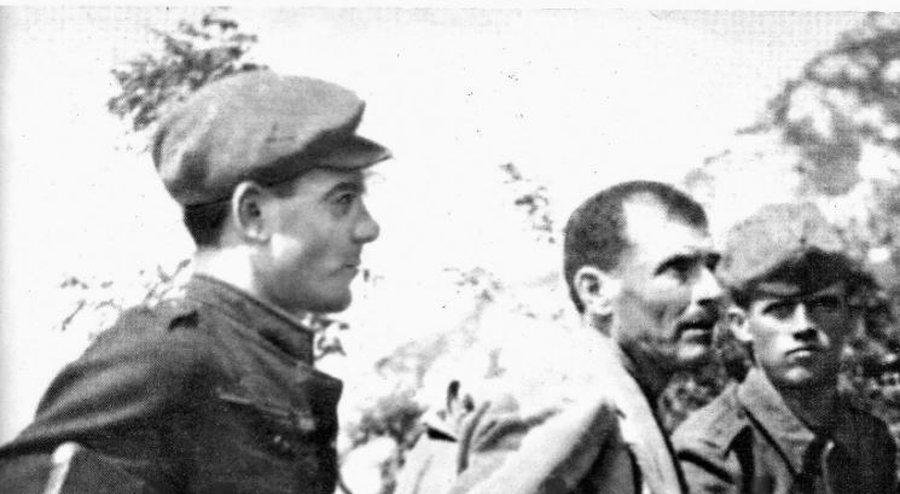
"I cannot leave without mentioning the tragic episode of my two close friends, Ibrahim Nezha and Osman Pepmarku, who, after the inhumane torture inflicted on them for a year, forced them to dig a hole, threw them alive into and then they threw a metal carrier over them, with sharp metal pins, so that they were stuck in their bodies. They threw stones and dirt on top of this carriage, and thus left them to die", wrote Zef Margjini, among others, in his book of memories, bringing us an interesting and extremely shocking fact.
Halit Hajri with a formation was assigned to arrest Ibrahim Nezha and Sabri Gjongega in Gure-Lure. Banush Goxhaj, with another formation, Osman Pepmark and Ahmet Kurt Pepmark, in the village of Gjoçaj. Ramadan Gjoka, led the forces that would arrest Zef Margjin in Bozhiq (Bardhaj), while Gjolek Alia, would arrest Ahmet Sulë Pepmarku in the village of Zall-Gjoçaj.
Precisely in these days, the operation starts from the Internal Affairs Branch of Burrel. A real situation of terror had been created. The movements of the officers, their entrances and exits in the offices, meetings with the Security agents, whispers, separations and then contacts again, had created a real anxiety, since no one knew what was happening, although it was felt that something macabre was being prepared.
And who would have the turn to become a victim of this cruelty, which was manifested in the outraged faces of the Security employees? No one knew this. Preparations were being made as if armed airborne troops had landed in the area of Selita or Lura, and not as if to arrest 5-6 people, who had not committed any crime in their lives, apart from the fact that they were taking measures, to escape the bloody claws of the dictatorship. This spirit was created to justify their savagery. Tasks were divided.
The operation was led by Rexhep Kolli, a senior official of the Ministry of Internal Affairs, who had come specially from Tirana. Everything was organized so well that all the planned persons were arrested, with the exception of Zef Margjini. The arrested saw each other in Derjan, where the first collection point was also.
From there, they take away Osman Pepmark's watch, which was of a very precious brand, as well as the kestek (string of serm), which he had as a gift from his friend, Zef Margjini, whom some miracle had saved this time, without fallen into the hands of the ferocious communist beast.
The investigations were initially carried out by Lieutenant Gjolek Alia, but the Ministry of Internal Affairs, dissatisfied with the wording of the indictment, as, according to it, the predetermined punishments were not justified, dismissed the charges and appointed another group of investigators, headed by Garip Hall.
The indictment was signed by the deputy prosecutor of the garrison, Captain Hilmi Telegrafi, who also represented the indictment of the session, while the chairman of the trial panel was appointed Captain Mustafa Iljazi. On December 19, 1949, the Military Court handed down the following sentences:
After this sentence, which was previously signed in the secretaries of the Ministry of Internal Affairs in Tirana, the convicts in general experienced countless inhumane tortures. Those who managed to get out of prison alive and later, when I had the chance to meet them, spoke to me in a special way about the macabre tortures that were practiced on the death row convicts, Ibrahim Nezha and Osman Pepmarku.
Thus, Ivzi Xhilaga from Dibra, Preng Arapi from the village of Zais i Mirdita, Selami Xhydollari from Pogradeci, Isuf Selmani from the village of Lis in the district of Mati, have told me about the horrific tortures that the executioners have exercised on the above-mentioned two. Even the nationalist Zef Margjini, in his book of memories, brings an interesting and very shocking fact.
Among other things, he writes: "I cannot leave without mentioning the tragic episode of my two close friends, Ibrahim Nezha and Osman Pepmarku, who, after the inhumane torture inflicted on them over the course of a year, forced them to dig a pit, they threw them alive into it and then put a metal carrier on top of them, with sharp metal pins to stick into their bodies. They threw stones and dirt on top of this vehicle, and thus they left them to die".
This is how the bloody massacre of the new government, whose name was Communism, had begun and was continuing. But executioners would not be enough in my province. "Eclipse" would be hundreds of times more tragic.
In addition to the murders of fighters from well-known nationalist doors, which we have mentioned at the beginning of this article, with dozens and dozens of other individuals who had distinguished themselves as brave fighters in the fight against the fascist invaders, communism not only closed its doors but persecuted them, imprisoned and killed their blood, exiled them to the concentration camps set up by the dictatorship itself especially for the families of the heroes, martyrs and brave men of Albania.
The hatred would reach so far that the red bloodsuckers would even deal with the towers of these mountaineers. Just as songs and ballads, narratives and stories, famous or ordinary people, glory or shame, towers have a place there, above the head of history.
Edhe malazezët, serbët e austriakët ishin marrë me djegie kullash. Edhe italianët e gjermanët kishin bërë të njëjtën gjë. Kishin ndjerë të fortat kulla edhe gjylet e topave, edhe bombardimet e avionëve, edhe flakën, edhe tymin, por sa herë digjeshin e shembeshin ato vendroje e simbole qëndrese, prapë ngriheshin, më të forta e më të bukura se të parat. Poeti i lirisë Ali Podrimja, shkruan diku: “…Për shkak të dashurisë, / për shkak të urrejtjes, / babai im e ka ndërtuar një kullë…”.
E kjo sentencë mjaft domethënëse, ky mesazh filozofiko-poetik, ka një të vërtetë të madhe. Nga kullat gjithmonë kanë dalë trima dhe aty janë krijuar e kënduar këngët e trimërisë e të dashurisë. Aty janë marrë vendime, prej aty kanë dalë prijësit popullore dhe aty ka nisur edhe historia.
Komunizmi shkoi edhe më tej. Kullat e ri-ngritura për të disatën herë të familjarëve nacionalistë të krahinës sime, i shembi përsëri, dhe më vonë u hoqi edhe gurët e themeleve, me qëllim që të zhdukte krejt “infeksionin” e nacionalizmës e, në vend të saj, të fuste edhe në rrënojat e tyre, farën e re të komunizmit! Me këtë synonte të kryente ritin e hekurt të nënshtrimit e, të vendosjes së një skllavërimi të ri. Kështu, për disa kohë, diktatura i përdorte për nevojat e veta këto kulla.
Kullën e Menajve në Lurë, e përdorën si bujtinë aksionistësh, ku ka kaluar një natë edhe shkrimtari i shquar, Ismail Kadare, midis studentëve të Universitetit të Tiranës. Më vonë kullën e zhdukën fare, duke i marrë gurët për ngritjen e një shtëpie kulture. Të njëjtën gjë, e bënë edhe me Kullën e Kolajve, në Macukull, të cilën për disa vjet e përdorën si shkollë, dhe më vonë e shkatërruan nga themelet, dhe me gurët e saj, ndërtuan një shkollë të re.
Të njëjtin fat do të pësonte edhe kulla e autorit të këtyre shënimeve, të cilën pasi e përdorën për disa vjet për të strehuar ndonjë familje në nevojë, më vonë e shkatërruan edhe atë, me pretekstin se me gurët e saj, do të ngrinin një ujësjellës për fshatin. Sikur mungonin gurët në ato shkrepa! Po sa e sa kulla, jo vetëm në krahinën time, por në gjithë Shqipërinë, iu nënshtruan këtij fati tragjik?!
Haziz Kasemi, Tahir Mata, Xhemal Sala, Haziz Suçi, etj. Do të merrnin rrugën e arratisë: Gjon Mëhilli, Zef Margjini, Llesh Nikoll Lleshi, Sadik Skura, Shahin Koleci, Ibrahim Gjokola, si dhe mjaft të tjerë bij të krahinës time, të cilët e kishin jetën të kërcënuar nga murtaja komuniste. Më vonë ata vdiqën larg atdheut e familjeve të tyre, në mërgim.
Po ç’bënë këta njerëz të ndershëm e patriotë, që të përjetonin këtë kalvar të tmerrshëm vuajtjesh e mjerimesh?! I vetmi “faj” i këtyre njerëzve, ishte fakti i të qenit nacionalistë e antikomunistë.
Kaq mjaftonte që cinizmi komunist të nxirrte dhëmbët e veta për ta zhdukur këtë shtresë, që të shpëtonte nga një “e keqe e madhe”. Komunizmi kishte filluar të luftonte traditat e zakonet shqiptare. Kolektivizimi i bujqësisë, grumbullimi i bagëtive të fshatarëve, gradualisht do të bëhej realitet.
A fierce war would be waged against religious beliefs. Their institutions, such as churches, mosques and mosques, would also be damaged and destroyed.
Thus, as in the whole of Albania, in my province too, the savage communist terror had a long and difficult life. For half a century, the highlanders of these three experienced the dictatorship as an eclipse of their lives and dreams. Like a true barbarian…! Memorie.al /




Lini një Përgjigje