


 Shkruar nga Pamfleti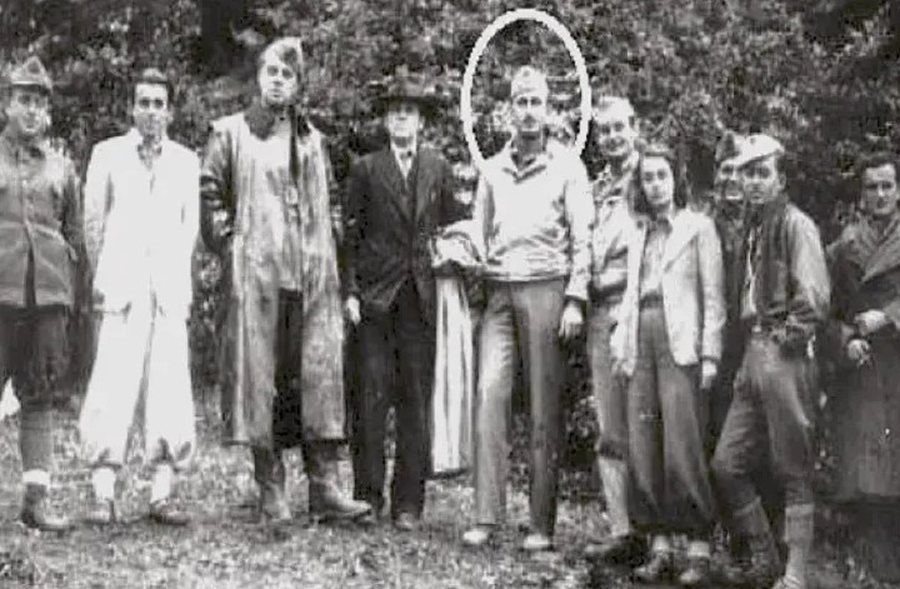
The well-known journalist of the "Boston Herald" recounts in an interview his research on the OSS, the secret American mission that worked during World War II in Albania. What was the purpose of the OSS in our country? Enver Hoxha's close connection with the head of this service, Tom Stefan, and his fate after the end of the war. Now, this story that has revealed secret information for both the American and Albanian sides is expected to be made into a film directed by Sten Dragoti. The story does not leave him alone when he decides to take an evening walk on the main boulevard of Tirana. Peter knows that on the boulevard where people pass peacefully next to him, German soldiers were once buried, killed during World War II.
In his recent travels to Albania, he has found it impossible not to feel caught between two times. The one that appears to him through the imagery that comes to him from the New York archives and the one of today. It seems that the first time still conditions his actions. A journalist should not trust too much imagery, but Peter feels powerless to leave behind all that history that he found through a photograph.
He is the second American journalist for the Boston Herald to arrive in Albania in 1986. Since then, as Peter slowly sips tea in one of the capital's bars, many things have changed in his connection with Albania. He is now not only the first journalist to report to the West on what was happening with communism in the heart of the Balkans, but also the first journalist to shed light on the OSS (the most powerful 'Organization of Strategic Services' in the world, or as it is known today, the CIA).
Starting from a photo of an American next to Enver Hoxha, which he found while rummaging through a book about the Albanian dictator's youth, Peter learned about the story of Tom Stefan, the head of the OSS in Albania, a man who had a close friendship with Enver Hoxha, and then discovered the entire life of this service in our country. His book "OSS in World War II in Albania", published years ago, has become the center of attention in the USA.
This is because many people did not know that this mission had operated in a country like Albania, let alone helped Enver Hoxha, the former communist leader, to take power. Below, Peter recounts in an interview his work for this book and who Tom Stefan was, this man whose life will now be filmed in a film by director Sten Dragoti.
Mr. Lukas, you are the second American journalist after Harrison, who arrived in Albania in 1986. Can you tell us more about this visit?
PETER LUKAS: It is certainly a visit that I remember well. I was traveling to a country that had been visited only a year before me, by another American journalist, who stayed here for only three days. While I was the second to be given such an opportunity. Albania at that time was a police state. It felt like you were walking into a prison with your own feet. As soon as you got off the plane, there were detailed checks on newspapers, books, everything no matter how ordinary you might have with you. The people who accompanied you, etc. When I saw the plane that took off from Rinas Airport today, leaving me here, at one point I thought; “what am I doing here now”?
But I slowly got used to it. For an American who set foot in Albania, the country was in a big change. We had grown up differently, despite our Albanian blood. No one could come close to talking to you, students would leave, so you had to be able to perceive the situation yourself and understand those seemingly strange behaviors of people. It was a new experience. But at the same time, there were things that I liked here. For example, when you saw that the country was clean and the family was strong.
It is understood that prostitution, drugs, were not known, since there was no freedom then. Whereas with the advent of freedom now, these things are present here, as in every other country in the world. Of course, the present is better. But freedom is always a problem, if you don't know how to manage it. This is what brings various crises in countries that are just getting freedom, since freedom means more responsibility, so that you don't overlook many things, but take them into consideration.
You have published a book on American intelligence in Albania during World War II. How did you come across the OSS?
PETER LUKAS: I have always liked to make a book about Enver Hoxha's youth. But for many reasons, this idea of mine was not realized. But among the research I did in Albania for that period, I came across a photograph taken during a parade on November 28-29. In the photograph was Myslim Peza, Baba Faja, Mehmet Shehu and in the second row of the photograph, I see an American. In fact, this photograph surprised me, because I did not know that the Americans had been near the National Liberation General Staff and I thought what an American in uniform was doing, so close to Enver Hoxha. His name was Tom Stefan.
Kështu, nisa të hulumtoja se kush është ky Tom Stefan. Dija vetëm se ai kishte vdekur. Kështu nisa një kërkim për të gjetur veprimtarinë e tij në Shqipëri, për të shpjeguar të gjitha detajet që do të lidhnin prezencën e tij në atë foto. Ishte e çuditshme, pasi dhe të tjerë amerikanë që kishin qenë me atë me mision të fshehtë në Shqipëri, nuk e dinin se ai kishte vdekur. Unë shkova i takova këta njerëz dhe ata filluan të më flasin për të, për punën që ai kishte bërë në Shqipëri dhe për marrëdhëniet e veçanta që ai kishte pasur me Enver Hoxhën. Atëherë u drejtova në Arkivin Qendror në Uashington për të bërë kërkime.
Dhe sa më tepër bëja kërkime, aq më interesante më bëhej historia e këtij njeriu. Dhe subjekti u rrit më shumë sesa Tomi. Në këto kërkime kishte gjëra që dhe vetë amerikanët nuk i dinin, bile as shqiptarët, pasi ishin dokumente tepër sekrete të një periudhe raportuar nga një njeri që ishte në krye të misionit. Në këto dokumente del se amerikanët dhe anglezët, e ndihmuan Enver Hoxhën që të vinte në pushtet. Askush nuk dinte gjë se si kishte ardhur kjo ndihmë dhe këto lidhje.
Mbasi bëra një kërkim dhe pashë këto materiale arkivore, takova katër njerëz që kishin qenë me shërbim në Shqipëri dhe ishin ende gjallë. Ata kishin bredhur të gjithë Shqipërinë, si nga Karaburuni, në very, kudo. Dhe kur flasim për Karaburunin në të dyja anët, nga ana e detit ku ishin shpellat dhe nga ana e Dukatit. Zbulova ku kishte vdekur Tom Stefan, ku ishte varrosur ai dhe u bë një histori shumë interesante që më nxiti ta shkruaja.
Sipas jush, cili ishte interesi i këtij misioni amerikan në Shqipëri?
PETER LUKAS: Interesi ishte në mënyrë direkte, pasi amerikanët ishin vendosur në atë periudhë në jug të Italisë. Amerikanët ishin të interesuar që divizionet gjermane në Shqipëri, të mbaheshin nën presion dhe të sulmoheshin herë pas here, në mënyrë që këto forca të mos shkonin më tutje Shqipërisë. Dhe për të realizuar këtë, këto misione zgjodhën forcat partizane dhe Enver Hoxhën, për t‘u hapur telashe gjermanëve dhe këto divizione të mos dilnin jashtë kufijve të Shqipërisë, por të mbeteshin këtu.
Puna e misionit amerikan këtu sigurisht që nuk ishte e lehtë. Ata duhet të nxisnin mendimin se mos amerikanët do të sulmojnë bregdetin shqiptar, në mënyrë që t‘i mbanin gjermanët nën presion. Një interes tjetër, sipas meje, që këto forca qëndronin në Shqipëri, ishte për të krijuar një bazë në Shqipëri.
Nëse pilotët amerikanë që niseshin me shërbime ushtarake në Rumani apo, në ndonjë vend tjetër mund të kapeshin, apo të diku në ndonjë cep të Shqipërisë, ky mision kishte për detyrë t‘i gjente këto vende, ku mund të kishte ndodhur rrëzimi i avionit dhe të organizonin në mënyrë të fshehtë rikthimin e tyre në bazë. Shqipëria ishte një pikë nga ku amerikanëve u duhej të kalonin për në vende të tjera, ku ata kishin interes, ndaj baza këtu ishte e domosdoshme…!
Le të flasim pak për Tom Stefan dhe miqësinë e tij me Enver Hoxhën. Si ishte kjo miqësi dhe ç‘ndodhi me dy miqtë pasi Hoxha erdhi në krye të shtetit shqiptar?
PETER LUKAS: Dihet që në këtë periudhë që ne po flasim, Enver Hoxha ishte 35 vjeç, ndërsa Tom Stefan, ishte 25 vjeç. Mendoj se në miqësinë mes tyre ishte Hoxha ai që dominonte. Kjo për faktin se Hoxha ishte udhëheqës, i arsimuar, kurse Tomi një djalë i ri tepër i thjeshtë. Tomit i duhet të punonte ditën dhe natën të arsimohej. Nuk merrte shumë vesh nga politika. Ai erdhi me mision në Shqipëri, menjëherë pasi u fut në ushtri, pasi kjo kohë përkoi dhe me nisjen e luftës.
Tomi ishte një djalë që dinte të fliste shqip, për shkak të origjinës së tij të largët dhe kështu u vendos në krye të misionit. Ai ishte shefi i të gjithë zbuluesve të tjerë amerikanë që ndodheshin në Shqipëri. Teksa kam shfletuar kaq shumë materiale për të, pasi kam lexuar të gjitha raportet e tij sekrete, mendoj se Tomi ishte tepër i vogël për detyrën që i kishin besuar. Por është disi e vështirë të flas për marrëdhëniet mes tyre, pasi ky është një intimitet privat, por nëpërmjet fotografive dhe materialeve të gjetura, mund të argumentoj, se ç‘ka ekzistuar mes tyre.
Fotografitë tregojnë shumë ndonjëherë. P.sh kemi fotografi ku Tom Stefan ka dalë me Enver Hoxhën, Omer Nishanin. Në qoftë se ndjekim fotografitë e luftës, do të shohim se Enver Hoxha nuk ka dalë asnjëherë me britanikët. Dhe ky fakt tregon një lidhje mes tij dhe Tom Stefan. Po pyetja juaj është; se ç‘ndodhi me këtë miqësi pas luftës? Natyrisht që kjo miqësi nuk mbeti pas luftës. Ashtu si çdo gjë tjetër, Enver Hoxha e prishi këtë miqësi.
Lidhja e Tom Stefan me Shqipërinë do të vendosej edhe në sferën sentimentale. Pasi kur u kthye në Tiranë pas lufte, ai u njoh me një vajzë, Lulu Vrioni, me të cilën bie në dashuri. Kuptohet që familja Vrioni nuk ishte në shijet e Enver Hoxhës dhe kështu do të nisnin persekutimet ndaj kësaj familjeje. Shumë anëtarë të saj u ekzekutuan. Hoxhës nuk i pëlqente që Stefan të kishte një lidhje të tillë dhe pikërisht me një njeri të kësaj familjeje.
Por fakt është që Tomi ka bërë martesë fshehurazi me Lulu Vrionin dhe ju e kuptoni se sa i shqetësuar ka qenë Enver Hoxha, për këtë ngjarje. Pas këtyre kontradiktave, Tomi do ta marrë Lulunë me vete në Uashington, për të jetuar bashkë. Është një fakt shumë i trishtë, nëse sheh dokumentet e asaj periudhe.
Të gjitha vajzat e arsimuara shqiptare që dinin të flisnin anglisht dhe që u shoqëruan me këta misionarë të fshehtë amerikanë në Shqipëri, pas mbarimit të luftës, u arrestuan dhe u internuan nga Enver Hoxha. Por Lulu nuk e pati këtë fat, pasi Stefan e mori me vete në SHBA-ës. Lulu ka punuar te “Zëri i Amerikës” dhe vdiq vetëm tre vjet më parë. Ndërsa Tom Stefan ka vdekur më 1959.
Çfarë mund të na thoni për vdekjen e tij?
PETER LUKAS: Tom Stefan's life was not very beautiful, after he returned from serving in Albania in the USA. It was an almost tragic period for him. He returned from the war perhaps with the illusion that this experience he gained from this mission, he could put to use in the service of the State Department, or elsewhere. But in that period when Albania turned into a dictatorial system, no one was interested in it anymore. It was the years 1945-1947 and Tom remained out of interest. The turn of Albania is known.
Enver Hoxha returned from Stalin in 1948. Tom went to Los Angeles. There he met an old friend of his, who had been with the OSS in Albania and had become a very famous actor. According to the friends' accounts, Tom Stefan, and his friend, the OSS wanted to make a film about the war. But Tom had a heart attack and died at the age of 42. He never got to write the story and he never got to make the film…!
How easy or difficult was it to do a story about OSS?
PETER LUKAS: I think writing is the easiest thing. But getting to the bottom of the problem, digging into the archives, is the hardest thing. Every time you start doing research, it seems incredibly difficult. I am not a professional in this field, so my task became even more difficult. Being in this position, as a journalist, I tried to be truthful in every detail put into the book. When I started my research, I met a man whose job was the OSS.
It was this man who directed me to where I could find notes or data about the OSS. There I found secret reports that Tom sent to the base in Bari in Italy, from the Headquarters where he was with Enver Hoxha. It was an extremely large amount of material about the OSS, which had operated in Albania, and I had to sort it out. I can say that during the research, while reading these reports, I sometimes felt carried away by them, to the point that I seemed to be one of them myself.
The man who helped me in the American archives did an excellent job. He selected the materials I needed so that I wouldn't have to research them, but simply analyze them, to have them ready when I got there. If you come to my house in Boston, there are thousands of photocopied materials that tell the story of that time. But the most interesting and helpful phase in making this book was finding those people who were still alive, who had served in Albania. They were a living testimony that made this book more complete. / Memorie.al



Lini një Përgjigje