


 Shkruar nga Pamfleti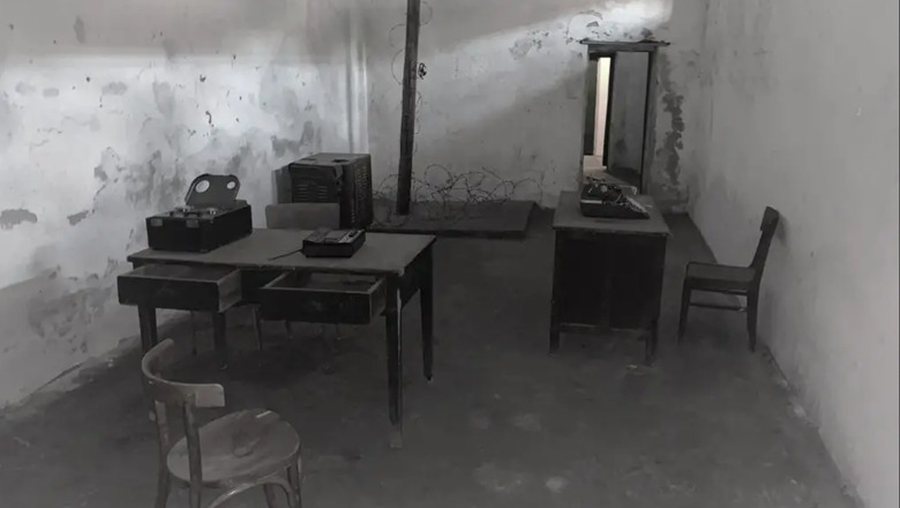
During the 30's and 40's of the last century, with the descent of the unstoppable fascist and communist downpour on Europe, before and later on the whole world, "fate" took the Albanian nation by the throat. Like all young people, I found myself at a crossroads where a stand had to be taken, even at the risk of my life. Then I said "no" to the dictatorship, I took the road that had no end, a navigator in the long sea, without shores. The act of rebellion that nearly killed me simultaneously set me free. I am an eyewitness of life in the fascist and communist hell in Albania, not as a "politician", "personality" of Albanian macro-politics, but as a student, as a young person who became aware of my role, at that time and in that place, from love for country and desire for freedom; simply, as a young man with remarkable sensibility, true to himself, of life with dignity.
In such an environment, the young souls of those who would be the representatives of tomorrow, the riders of the future, for a nation and a country, which had never stopped suffering, and where poverty and fear, had been the bread and butter of daily routine. In this abyss that crushed the bodies and oppressed the soul, the generation of building a new society had to be formed, where the new man was born among free people, conscious of their dignity, where each person was more that a worker, a peasant, a clerk or a soldier, where the man was a human being like me, my brother!
In this prison with thick medieval walls, the outside world that surrounded me was as small as the cell itself, the prison room, the labor camp inside the police circle and barbed wire. But thought is not limited to walls and chains. In this narrow prison, thought found a long and free field. My inner world began to develop, to expand, to take the first place, and for the sake of constant repetition, to dominate my activity, attitude, and ways of thinking. I got to know myself, every day more and more! Between the sublime and the banal, prison life continued to be monotonous, except when interrupted by moments of Shkodran humor.
However, there were situations where the comic remained speechless, due to the inferiority of the policeman's act, at our expense. One day when the officer ordered the removal of the seventy-year-old Imam's white beard, the entire prison fell into a deafening silence. The old imam did not speak. Tears flowed down the moles of withered cheeks.
But when the officer mockingly said to him: "Hoxha, hey, how do you look now, do you feel well"?! old man, answered simply with a voice trembling from despair and physical fatigue: "Aren't you ashamed of my old age"?! The officer left without speaking, but with this answer, the Imam gave us a great moral victory. The victim rose above the torturer, as the winner of the uncompromising duel.
A noise broke the silence of the entire prison. It was night! A group of prison guards, entered the yard, headed towards the isolation cell, tried to stop the screams and shouts of one to be arrested, who was not in control of himself. The beatings continued with kicks and sticks, and for every hit, he responded with a slap. It seemed as if they were ordering, he stripped me naked. He refused.
They beat him mercilessly and threw buckets of cold water on his body. The victim was screaming. The guards laughed. We were stunned by the brutality they witnessed. No one spoke to me! A few minutes later, the prison guards forcibly took him out of the cell, with wood. The old man quickened his pace, began to run around the inner courtyard, tue sha. The guards laughed, as if this criminal taunt was just for their own amusement.
Finally, the victim fell to his knees, hands chained, cursed again, until the countless sticks threw him to the floor, motionless, motionless. The guards laughed. Throughout the night, hundreds of prisoners did not sleep, from the heart-wrenching impression caused by the last throes of the dying old man.
The next day, we found out that a policeman had kidnapped the old man's daughter from Oblika in his house and, two days later, he had unsuccessfully tried to kill the policeman and the girl. We arrested him, he was locked up in our prison, where he died from beatings the first night.
XIX
Suffering without purpose has no meaning; it's an absurdity. But causing me suffering for the purpose of entertainment is more than absurdity, it is an unforgivable criminal act. The behavior of the prison guards that night, strengthened my conviction even more, in the complete inhumanity that the communist regime had done, among its supporters, and the servants who carried out the acts of tyranny.
Faced with such a situation, the will to resist against the personified evil, in the activity of the servants of the regime, was strengthened. The methods followed were, undoubtedly, the best way, they created enemies, and equipped the resistance with new revolutionary blood.
Clearly, the most dangerous enemy of the existing government was the government itself and its emissaries, who implemented directives with criminal tendencies, without thinking, without hesitation. The separation between the world of crime and that of the victims was complete and invariably led to a deadly confrontation.
But now, the brute force was with the communists, dominating the life of the country and the citizens, to be sentenced to life in that country, which we call "Nana Shqipni"! How would all this undeserved suffering end, where would the boundless hatred that filled our hearts those days end?! The question was unanswerable, but, obviously, it scared me a lot.
Më dukej sikur e gjithë bota, ishte zhytë në pellgun e së keqe, të mbrapshtës, të antinjerëzores. Për mue, dilema e kundërshtimit të saj, megjithëse rritej çdo ditë, për arsye të shtrimjes dhe thellimit të krimit, prapë se prapë, nuk më lehtësonte problemin. A duhej pranue si paevitueshmëni, kjo e keqe që kishte mbulue vendin tonë, dhe me ndërgjegjen e plotë se asgja nuk e ndryshonte atë, nji fatalizëm “fetar” që ishte tipik i besimtarëve që kanë guximin me u hedhë ne “të panjohunën” e, që vetëm Krijuesi njeh?
Kisha nevojë për ndihmë! Të nesërmen, me fratin françeskan pranë meje, fillova pyetjet e vazhdueshme, për luftën tonë të përditshme, kundër pranisë “së keqes”, në botë. Kisha dyshimet e mia në Krijuesin, e kundërveprojsha. Nuk jemi vetëm arsye. Sepse Krijuesi, më ka pajisë edhe me zemër, që ndjen për ata që vuajnë e me nji za ndërgjegjeje, që më shqetëson kur gabon. Më paraqitej ideja e sakrificës, e flijimit të jetës për të vuajtunit.
E, natyrisht, sa ma e randë të ishte e keqja, aq ma e madhe ishte ideja e flijimit. Vetmia friksuese e viktimës, sikur më thërriste të afrohem, të bahem vlla me atë. Njerëzit vuajnë ma pak, kur nuk janë vetëm. Frati ndgjonte, e më tha: – “Krishti me mue, e unë me ata që nuk janë në gjendje me kërkue ndihmën e Tij, si duhet”. – ‘E për ata që nuk e meritojnë’? – e pyeta unë, në nji përpjekje me mbrojtë pozitën time.
– “Atë e gjykon vetëm i Lumi Zot. Vetëm Ai, mund të mohojë hirin e tij të pameritueshmit. Unë jam vetëm nji shërbestar i thjeshtë i të Madhit Zot. Unë vetëm shërbej e jam i kënaqun vetëm me aq”.
E tue sjellë sytë kah unë, me nji buzëqeshje që shpaloste ndjenjën e tij të brendshme: – “Biri im, – më tha, – mos harro se çdonjeni prej nesh, ka diçka, sadopak qoftë, që asht e nji natyre njerëzore. Edhe armiku ka nji qoshe zemre, ku struket mëshira e gatshme me u shfaqë”. – E me za të ulët, e tue shënue dyshemenë me gishtin dëfrues, ai shtoi: “Atje ku nuk e pret”!
– “Ndërkaq, prit që të vdesim në torturë e në burgje…ose të uritun në kampe, të coptuem e të poshtnuem. – Thueje të kryqëzuem ma mirë. Të kryqëzuem, sepse na jep shpresë për ringjallje. Mos harro! Kryqëzimi, kur bahet për shpëtimin e njerëzimit, asht si nji akt perëndie”!
Të nesërmen, iu drejtova përsëri Donat Kurtit, fratit të nënshtruem, e fillova litanitë e ankesave të mia, për gjithçka. – “Durim, biri im, durim! I Lumi Zot, na këshillon durimin. Pak nga pak, do të rregullohet çdo gja, do të lirohemi. Do të jetojmë të lirë…! Durim, duhet të mësohemi me durue…”! – I Lumi Zot nuk vdes, – i thashë unë.
Pater, Ai ashtë i pavdekshëm, apo jo?! – “Po! Nji nder…”! – E Ai, ka kohë mjaft kohë, me pritë me durue e me veprue, – e ndërpreva unë. “Unë jam njeri i përkohshëm në këtë botë, Pater, unë mund të vdes çdo kohë…! Koha kalon pa asnji shpresë kthimi, e vdekja më pret…! Unë nuk mund të duroj. Unë nuk mund të kënaqem, me shpresën e së ardhmes, që nuk e njof, – për ma tepër, nuk varet prej meje”.
– “Duhet pranue vullneti i të Madhit Zot, biri im”! Nuk e dijsha nëse frati im, i shihte vuejtjet e mia, si revoltë spontane e nji të riu, që jetonte me frikën e vdekjes në burg! A po, në hapësinën e tij intelektuale, ai shikonte nji të ri, si të gjithë tjerët, që rezistonte mesazhin hyjnor të dhanun nga klerikët, shërbestarët e Zotit. Por kambëngulja e tij për nënshtrim, nuk më ndihmonte. -Pater – i përgjigja, – ti më kërkon nënshtrimin. Nëqoftëse unë pranoj, çka më mbetet tjetër?
– “Jo nënshtrimin – më ndërpreu ai, – përvuejtninë. E mos harro! Asht edhe lumnia e qiellit”. – E tue ngrejtë gishtin dëftues, si shenjë tregimi për hyjninë, vazhdoi me nji za gjysëm të fikun – “Këtu jemi të përkohshëm. Po, të përkohshëm, po tham”. Në dhomën gjysëm të ndritun, heshtja e zakonshme vazhdonte sot, ashtu si dje, si pardje, si muejt e vjetët e kalueme pa lanë gjurmë. Përreth meje, të burgosunit merreshin me veprimtari të pafryt, të pakuptim, të paqëllim. Përjashta, ndigjohej ritmi i rregullt i çizmes së kuqe ushtarake që bante turnin e ditës në oborrin e brendshëm.
– Pater! – thashë tue e shikue drejt në sy, – si e shpjegon jetën e nji të riu që torturohet për shumë vjet e, vdes pak ditë para lirimit ose, menjiherë mbas lirimit prej burgut?!
– “Vullneti i Krijuesit”. – E tue ulë kokën që të mos ndeshte drejtpërdrejt sytë e mi, me nji za që m’u duk sikur dridhej, pa muejt me e kontrollue, ai shtoi: “Pranoje vullnetin e Krijuesit”!
– E si justifikohet, Patër, kjo vuejtje, që më duket se nuk sjell dobi?! Bota e jashtme, as që e din që na vuejmë të zezën e ullinit. Vuejtja që vdes bashkë me mue, që shuhet me viktimën, që nuk shpaguen ose ringjallë… e na të rijt këtu, nuk kemi as kënaqësinë e misionarit. Deshta të them; “si ti”. Ai buzëqeshi.
– “Ndigjo! Zoti dërgoi të Birin dhe i premtoi Atij kryqin. Mos harro”! –
E tue mbështet dorën mbi supin tim, vazhdoi me nji za që dridhej: “Sa herë që pesha e vuajtjes, bien mbi të pafajshmin, për mue lind nji konflikt. Jeta ime si klerik i krishtenë, asht nji luftë e përditshme, me zgjidhë këtë konflikt. Nuk asht e lehtë për mue…! Por unë besoj në jetën e amshueme, e në besimin tim, unë mbështes shpjegimet e mia, që më lehtësojnë barrën e randë të konfliktit, që më mundon. Unë të këshilloj besimin, biri im, por nuk mund të ndihmoj ma shumë…! Nuk asht nji shembull, që unë dëshiroj të bahem për ty, asht nji nevojë që ti vetë, duhet ta ndiesh me forcë, me aq fuqi sa të vijsh në gjendjen time e, të lehtësohet përvujtnia”!
E sikur nuk dinte të vazhdonte ma gjatë sugjerimin, e mbylli me nji pyetje: – “Në këtë gjendjen tande të rebelimit, më duket se shoh nji lloj kryenaltësie të damshme, apo jo?! Mos harro! Përvujtnia, përvujtnia asht pjesa jonë në këtë jetë”. – “Pater! Mos përkëdhel anën time të dobët. Përvujtnia asht ma e lehtë ndoshta, se kjo kryenaltësi e imja, që të shqetëson, që sheh ti, e që mendon se asht burimi i vuejtjes sime…! Por, më lejo të them, me zemër të hapët se, kjo frymë revoltimi kundër çdo formë nënshtrimi, më frymëzon, më mban gjallë e, si të thuesh…!
– “Të lehtëson vuejtjen, gjithashtu”? – më ndërpreu ai. – Unë mendoj se po. Të paktën nuk më ban thirrje me pranue gojëmbyllun të keqen, e të shumtën e rasteve, me mobilizon me luftue fuqimisht. Pater! Unë due të marr nji qëndrim, të veproj, mos të kryqëzoj krahët para së keqes…ose të laj duart! Në fytyrën e fratit të vorfën, u thelluen edhe ma shumë rrudhat e vuajtjes.
Me vetulla të mbledhuna, ai shikoi rreth vetes dhomën mbarë, masën e të burgosunve pa faj, të zhveshun nga gjithçka, e me çdo mjet të fyem në dinjitetin e tyne çdo orë, çdo ditë, sa herë që shtrihej dora për nji copë bukë, sikur dëshironte me vërtetue në vend, edhe nji herë, përpjestimet e mjerimit që e rrethonte. Mandej, tue drejtue përsëri sytë kah unë, e me nji za, tingëllimi i të cilit, më tha ma shumë se fjala e shqiptueme, u përgjegj:
– “Do të lutem për ty… do të lutem biri im, që nji ditë të ndigjosh më qartas në zemër tande, Fjalën e së Mirës së Pambarueme! Ideja e Zotit, si mundësia e vetme me shpresue në nji të ardhme ma të denjë, për cilësitë që pajisin njeriun, si “mjeku” i vetëm që kupton e shëron shpirtët e tretun rrugëve, zemrat e djeguna për pasion, mendjet kërkuese të së vërtetës, të nji të vërtete, që kënaqë e justifikon çdo kërkesë, më tërhiqte. Por, vetë lehtësia e saj në zgjidhjen e problemit të ekzistencës, nuk më kënaqte. Frati e ndërpreu rrjedhën e mendimeve të mia:
– “Pse flet me ndrojtje, sikur ke frikë se prish harmoninë e mendimeve të mia”? – Po, kam frikë…! – “Pse frikësohesh?! Nëqoftëse ata bien poshtë nga kritikat tueja, atëherë nuk kanë atë vlerë hyjnore, që unë besoj se kanë”. – Pater! Ajo që më tremb, asht se nuk kam diçka tjetër, që ta zëvendësoj. Asht ky boshllëk në brendinë time, që më frikson…e dëshiroj ta mbuloj me aksion!
Çdo mëngjes, frati e unë, shihshim fytyrat e mucatuna të të rijve në burg, sikur të ishin frye me ajër, që ngriheshin nga gjumi i randë, në dhomat që qelbeshin nga fryma e gazet e, ma shumë se njiqind të burgosunve, prej të cilëve, gjysma vuejshin nga smundje të njohuna e të panjohuna, por të rrezikshme. Çdo mëngjes, frati e unë shihshim qartë ndryshimin e dukshëm, të përditshëm, të freskisë djaloshare, në fytyrat e nji ushtrie të rinjsh e, pamjen e tyne të lodhun, të mekun, të pajetë, si gjethet e vyshkuna, në vjeshtën e parë.
As the days, months and years passed, time did its work; it robbed the youth and energy of the prisoners and replaced it with a feeling of discouragement, with a spirit of indifference that was seen, especially among the "veterans", who had lost hope of release. My brother and I lived in the same world, but we looked at it with different eyes. It was not that the friar lacked an awakened consciousness, perhaps even an urge for revolt, which he suppressed: on the contrary, the resistance against "evil", the red tyranny, was deeply rooted in his mind and heart.
But he put up this resistance, in the guise of his religious conviction, he endured it, endured it. For me, such an attitude, based on the will of the Creator, was not enough. For me, active resistance was necessary in order not to allow the easiest way of surrendering to "evil", the inevitable end of which was moral corruption and its logical end, complete failure. For me, it was a dilemma; "here and now", which had to be resolved in this world, before I was snatched from the hand of death, the irreparable end of life on earth.
The other life, the other world? It didn't matter. It was this fear that increased the urgency of action, even by force, when it came to breaking the chains that kept us nailed in place. My brother tried not only to explain to me this pessimistic spirit, but also to present to me the causes, effects, objectives of a route that started badly, and finally, - oh, what a magical power the story of the resurrection had! - The possibility of salvation, the hope for a personal corner, in this infinite universe, a warm heart, for a frozen soul, during the long journey in the darkness of solitude!/Memorie.al


Lini një Përgjigje