


 Shkruar nga Pamfleti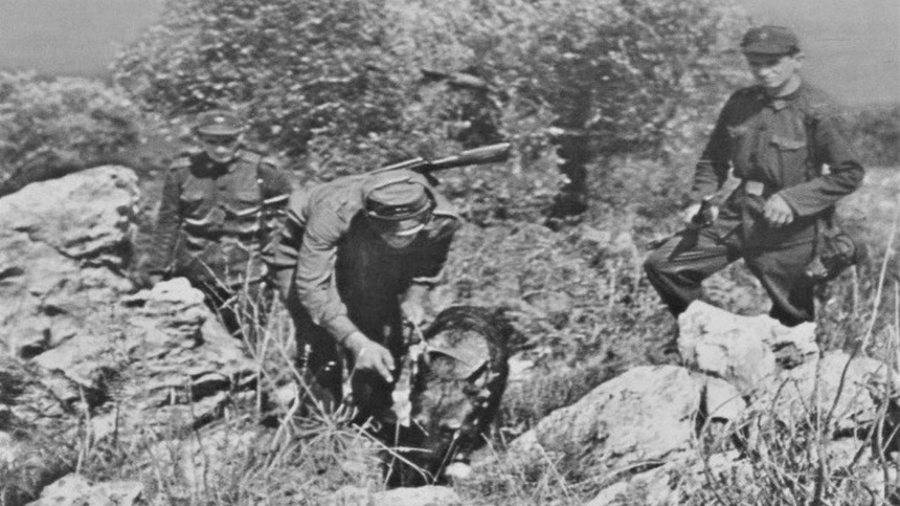
The most voluminous trial of the beginnings of democracy was the one against 10 former senior officials of the communist regime, including former President Ramiz Alia, former Prime Minister Adil Çarçani and other former ministers.
In the publication by the Institute for Democracy, Media and Culture "Trials against the communist nomenclature 1993-1996" the full decision is published, which among other things talks about the 13 sensational murders at the border, as the Albanians tried to cross the border which was considered 'treason against the motherland'.
Sokol Lika, Sami Daja, Kujtim Xhaja, Bujar Osmani, Fatmir Duro, Nik Hoti, Pëllumb Pëllumbi, Artan Çemi, Muhamet Nurja, Harallamb Papuchiu, Ilia Dalla, Thoma Boda and Enver Duka were not only killed, but the bodies were not even handed over to their families .
"Also, in the wake of these illegal actions in 1989, the border forces, which were subordinate to the defendant Veiz Hadëri, carried out imitations of those killed at the border under the pretext of training, exposing to the public persons allegedly killed at the border, wrapped in sheets, painted with red paint. These actions were accompanied the night before with fireworks, shots and sirens, in order to create the image of alarm and a state of alertness in the city," the file states.
With the law No. 7380 dated 8.5.1990, "On some amendments to the Penal Code" approved by the People's Assembly, the criminal offense of treason against the country in the form of escape has been changed by defining it as an illegal crossing of the border. Of course, this new legal setting meant that this offense was considered much less socially dangerous than the previous provision, and therefore also less dangerous for the person. During this period, the tendency of many people to cross the state border was noticed
.
With the changes that occurred in the legislation, a new by-law regulation had to be made, this obligation in the concrete case for the Minister of Internal Affairs of this period, the defendant Simon Stefani. This defendant did not do such a thing, although this right and legal obligation was recognized by decree no. 4650 dated 9.3.1970, as well as article 85 of the 1976 Constitution, according to which "Ministers are responsible for the activities of the Ministries ... issue orders, regulations and instructions on the basis of the laws for matters that are within their competence".
The judicial investigation showed that the defendant Simon Stefani did not make such a legal regulation, did not elaborate any previous regulations or issue orders and instructions for the performance of the tasks of the border forces in the new conditions of the economic, social and political crisis , as well as changing the legislation.
Although there was a lot of information about what was happening at the border (this information was administered in the court session), the defendant Simon Stefani allowed the protection of the border to be done with the previous regulation, approved by his order no. 01-56 dated 5.6.1985 and amended by order no. 01-10 dated 13.10.1989, which also provided for the rules for opening fire.
But in the period of issuing these by-laws, the great social danger of the criminal offense of treason against the homeland in the form of escaping abroad was taken into account. According to the regulation of the border service of 1985, opening fire at the border is one of the most responsible moments and always takes a sharp political character, because it has to do with the politics of the party and the state.
The defendant Simon Stefani not only did not make the necessary changes to the existing regulation or to order the ban on opening fire, avoiding the consequences, but during this period he gave orders to further strengthen the implementation of the previous regulations. These intentional and illegal attitudes of this defendant, carried out due to duty, through its regular fulfillment, are clearly visible in the answers and notes that this defendant made in the written information sent to him, in which the concern for implementation in the new social, political and legislative conditions of the previous regulations.
Thus, for example, to the concern reflected in the information no. 678 dated 8.6.1990 of the Librazhd Internal Affairs Branch, about the way of implementing the existing regulations and the interpretation of the new law, the defendant Simon responded with the note: "The border command, all cadres, especially the education sector, should make serious preparations and, based on the problems that have arisen in the wards or border areas, explain to the soldiers and cadres that the measures taken by the Party and the Government do not liberalize the law (the regulation) for the border, but they want to strengthen it, even in these moments by implementing it without concessions".
Also in the court session, from the explanations of the witness Ismail Skeja, at that time the deputy director of the Border Directorate at the Ministry of Internal Affairs, it appeared that in the first seven months of 1990, since there were more incidents at the border compared to the periods before and subsequently, the Border Command has issued several orders for certain periods, for the prohibition of opening fire, as well as made proposals for the change in implementation of the new law of the regulation to the head of the department.
Dashjen në veprimet e mëparshme të të pandehurit Simon Stefani, pavarësisht se në ditët e fundit të karrierës si ministër i Punëve të Brendshme, e tregon dhe telegrami i tij i datës 4.7.1990, dërguar rretheve kufitare, me të cilin anulonte urdhrin e komandantit të kufirit, datë 30 qershor 1990, për ndalimin e hapjes së zjarrit në kufi, duke urdhëruar zbatimin e kërkesave të rregulloreve të mëparshme të shërbimit të kufirit.
Sa më sipër u provuan edhe me procesverbalin e këqyrjes së dokumenteve shkresore, datë 14.2.1994, të administruara në seancë gjyqësore. Pretendimi i të pandehurit se fakti që kufiri është një objekt i rëndësisë së veçantë dhe fakti i përdorimit të armës në kufi determinojnë njëri-tjetrin, nuk qëndron, pasi arma është vetëm një nga mjetet që përdoret për mbrojtjen e kufirit, e cila kërkon edhe situatën e posaçme që të përdoret. Vepra e kryer nga i pandehuri prek marrëdhëniet e vendosura për mbrojtjen e jetës së shtetasve dhe funksionimin normal të aparatit shtetëror. Subjekt i kësaj vepre penale është i pandehuri Simon Stefani në detyrën e ministrit të Punëve të Brendshme, për periudhën që i përket këtij episodi të akuzës.
Pra, në veprimet e mosveprimet e këtij të pandehuri shihen qartë elementët e figurës së krimit të shpërdorimit të detyrës, e cila ka sjellë si pasojë vrasjen në kufi të 13 shtetasve dhe plagosjen e një tjetri nga periudha 23 Maj 1990 deri në datën 8 Korrik 1990, kur i pandehuri u shkarkua nga detyra e ministrit të Punëve të Brendshme. Kështu janë vrarë nga forcat e kufirit të rretheve Korçë, Ersekë, Librazhd, Shkodër, Sarandë, Gjirokastër, shtetasit Sokol Lika, Sami Daja, Kujtim Xhaja, Bujar Osmani, Fatmir Duro, Nik Hoti, Pëllumb Pëllumbi, Artan Çemi, Muhamet Nurja, Harallamb Papuçiu, Ilia Dalla, Thoma Boda, Enver
Këto pasoja shoqërisht të rrezikshme u vërtetuan në seancë gjyqësore edhe me dosjet hetimore që administroi gjykata, informacionet e prokurorive, hetuesive dhe Degëve të Punëve të Brendshme në rrethe, të komandës së kufirit etj. Edhe nga praktika e pasardhësit të këtij të pandehuri, ish-ministrit të Punëve të Brendshme, të pandehurit Hekuran Isai, u tregua se të paktën një qëndrim i ri i forcave të kufirit mund dhe duhej diktuar nga Ministria e Punëve të Brendshme (konkretisht nga titullari), pasi siç shpjegoi i pandehuri Hekuran Isai, gjendja në kufi ishte e rënduar, ndaj mosdhënia e urdhrit për ndalimin e zjarrit do të kishte pasoja katastrofike për popullin. I pandehuri Simon Stefani është akuzuar dhe për mosdorëzimin e familjarëve të kufomave të shtetasve të vrarë në kufi, në bashkëpunim me të pandehurin Veiz Hadëri. Trupi gjykues vlerëson se edhe në këtë pikë qëndrimi i përfaqësuesit të akuzës është i drejtë dhe këta dy të pandehur nuk duhet të përgjigjen penalisht për këtë episod të akuzës, pasi nga hetimi gjyqësor nuk rezultoi që këta dy të pandehur ta kenë kryer veprën penale në bashkëpunim. Nuk u vërtetua që për ngjarjen e Grazhdanit të Sarandës i pandehuri Simon Stefani të ketë urdhëruar që kufoma të mos u jepej familjarëve dhe gjithashtu nuk u provua që të ketë biseduar apo komunikuar me ndonjë mënyrë tjetër me të pandehurin Veiz Hadëri.
Nga ana tjetër nuk u vërtetua se ky i pandehur (Veiz Hadëri) të ketë dhënë ndonjë urdhër për varrosjen në vend të kufomave dhe mosdhënien e tyre familjarëve. Përfundimisht, për këtë episod të akuzës, të pandehurit Simon Stefani dhe Veiz Hadëri nuk duhet të përgjigjen penalisht.
Megjithatë i pandehuri Veiz Hadëri akuzohet edhe për një episod tjetër të shpërdorimit të detyrës gjatë kohës që kishte funksionin e Kryetarit të Degës së Punëve të Brendshme Sarandë.
Në muajin qershor 1985, në afërsi të Ksamilit dhe në Gjirin e Manastirit, janë gjetur kufoma të shtetasve Sotiraq Nasto e Jorgji Sholla nga Narta e rrethit të Vlorës. Nga ana e të pandehurit Veiz Hadëri janë urdhëruar ekuipazhe të motoskafit të shërbimit kufitar t’i vendosnin në bashet e motoskafit dhe t’i shëtisnin përgjatë bregdetit të qytetit të Sarandës, me sinjale alarmi të ndezura.
Pretendimi i të pandehurit se ky veprim është bërë me qëllim identifikimin e kufomave bie poshtë: Së pari, me faktin që afër vendit të ngjarjes është gjetur një çantë me dokumentet e identifikimit të Sotiraq Nastos dhe, së dyti, me faktin që demonstrimi i kufomave është bërë në një distancë 180–200 m larg bregut, gjë që bënte të mundur vetëm arritjen e qëllimit të vërtetë të këtij të pandehuri dhe jo identifikimin e kufomës. Me këto veprime të paligjshme, antihumane e në kundërshtim me përmbushjen e rregullt të detyrës, i pandehuri Veiz Hadëri ka arritur të ushtrojë për një kohë relativisht të gjatë një presion dhe terror psikologjik në popull dhe nga ana tjetër indinjatë tek të gjithë banorët e qytetit dhe pushues.
This fact was crystallized by the court during the questioning as a witness of one of the motorboat crew members, who said: "We are ashamed to go out to Saranda". Also, in the wake of these illegal actions in 1989, the border forces, which were subordinate to the defendant Veiz Hadëri, carried out imitations of those killed at the border under the pretext of training, exposing to the public persons allegedly killed at the border, wrapped in sheets, painted with red paint. These actions were accompanied the night before with fireworks, gunshots and sirens, to create the image of alertness and alertness in the city. Under these conditions, it is clear that these actions were not intended to train the border forces, but to "train" the people with a sense of fear and panic.
The above was proven in the court session with the explanations of the defendant Veiz Hadëri himself, who showed the circumstances in which the above events took place, but he and his defense lawyer called these actions normal and that they do not constitute a criminal offense, the explanations of the witnesses Reiz Maksuti, Mitat Bala, Luan Zani and Sokrat Jorgji, officers of the motorboats of the coastal border forces, as well as partly the witness Ilirjan Cicaj. Also in his testimony, the witness Ismail Skeja, former deputy director of the Border Directorate in the Ministry of Internal Affairs, rejected the claims that the concrete imitation made by the Saranda border forces were in the training work program, as he explained that a form he had never come across such, and he even expressed surprise at the details that were shown by the prosecutor regarding the imitation of soldiers wrapped in sheets, painted with red paint. It seems clear that these forms of "training" were the initiative of the defendant Veiz Hadëri, unapproved and unknown by the department.
Finally, seeing that the elements of the criminal offense of misuse of duty exist as follows, the defendant Veiz Hadëri must be held criminally responsible for this crime.
From the objective side, the crime was committed with illegal actions, which contradicted the regular fulfillment of the duty. These actions have resulted in the humiliation of the person's dignity and the spread of panic, fear and insecurity among the people.
The object of this crime figure is the relations established for the preservation of social order in general and the dignity of the person in particular, as well as the normal functioning of the state apparatus, specifically the Public Order Branch of Saranda.
The defendant Veiz Hadëri, as the head of the Sarandë Internal Affairs Branch, is the subject of this criminal offense.
From the subjective point of view, the defendant performed the actions with full intention, as he had all the opportunities to foresee the consequences that such actions would bring, but he purposefully prepared for their arrival as he desired them.





Lini një Përgjigje