


 Shkruar nga Pamfleti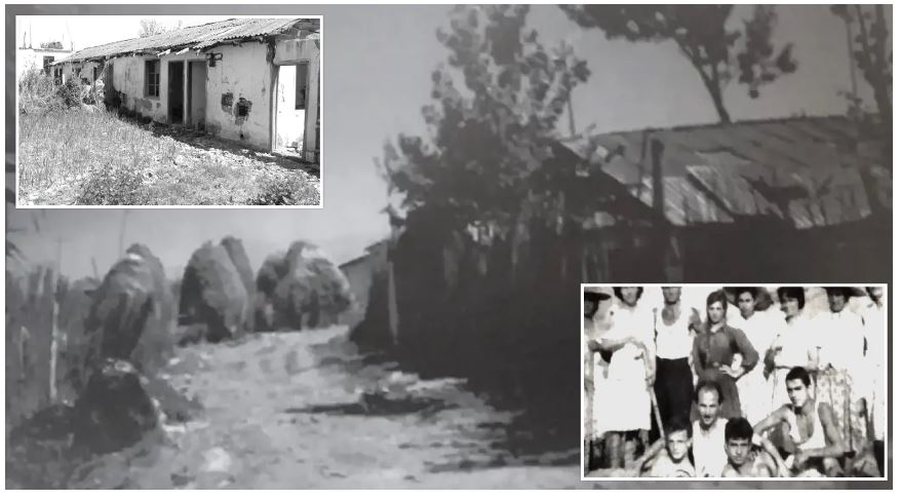
On the occasion of the 30th anniversary of the "abandonment" of the internment camp, Savër - Lushnje, more than 80 former political internees remembered their lives on August 20, and, telling their extraordinary stories, today through a very interesting point of view, now in the free world. Their families, who entered the prisons and camps after the arrival of Enver Hoxha's regime in 1944, came out of there only after the 1990s. Some of them currently live in Albania, while most of them are located in Greece, Italy, France, Germany, England, USA and Canada, but each of them remembers Savra, the society and their shared suffering with nostalgia and longing.
In, that, until 30 years ago, it was a terrible dream of the long nights of that "winter"... that was frightening. It was precisely these people from this internment camp and their noble families, who were the pride and beauty of that village, and of that country that, in terms of culture and tradition, from that time were a "little Paris" in the middle of Albania , that very few people at that time knew who Savra and its inhabitants were.
This is a village with about 2000 inhabitants, at that time, from all over Albania, including Kosovo, the Presheva Valley, Albanians from Montenegro, Macedonia and Chameria. This village is built on the national road, about 3 km. south of the city of Lushnje. The origin of this village can be found in the Battle of Savra, which, according to historians, is the new phase of the Ottoman intervention in the Albanian territories.
In the defeat of the Albanian forces in Savër, it is said that Balsha II, who had become an expression of aspirations for the creation of a centralized Albanian state, died. Savra has also been mentioned by a western author, Attilio Brunalti (in the Magazine 'Nuova Antologia', 1881 pg. 232) who describes the field of Savra as; "I campi di Berath" (the fields of Berat), where the Ottoman soldiers appear for the first time. (When we were in Savër, a worker, opening a drainage channel, found some objects, such as a sword and some ceramic items, which indicated that the Battle of Balshave may have taken place there, somewhere nearby but, anyway, the last word of left to archaeology, and historians).
In 1939, the Italian invaders built in Savër, a small military airfield for hikers, where traces of the airport and some military barracks can still be found today in the field to the left of the national road, near the Semene Bridge. In the distant year 1956, it was the Greek "ustallars", communists and Greek partisans, who had fled Greece, finding the protection of Enver Hoxha, who built the first barracks, which were filled within a year with hundreds of families, from the most the good of the Albanian nation.
Even from those families, whose members were also the signatories of Albania's independence, that the communist regime called "enemies of the people" and had interned in the camp set up in Savër, about 4 km. away from the city of Lushnje. Among the enemies of Enver Hoxha's regime, there were also noble families, rich people, intellectuals, who had finished school in Paris, Rome, Vienna, Zagreb, Bucharest, Sofia, Istanbul, etc., or even those families who were former partisans, but who after one of their relatives fled the country in the early 1945s and ended up in exile.
However, ironically, that regime (Enver Hoxha) did not spare his cousin in Savër - Vehip Hoxha with Anena and his three educated daughters; Andanin, Neriman and Suzanin. This family, together with 3 thousand other families, lived, for more than three decades, in one of the 48 internment camps, set up by the communist regime in Albania, after the Second World War, in Savër.
The brutal Stalinist regime, installed in Albania after 1945 by Enver Hoxha, imprisoned 17,900 people and exiled over 30,000 others as political prisoners, according to data from the archives of the Ministry of the Interior. The small Albania of 3 million inhabitants had 23 prisons and 48 internment camps for the so-called "enemies of the people".
The internment camp in Savër was among the most famous of the time, because it housed the relatives of the five prime ministers before the war and family members of the dictator Enver Hoxha, and some of the most famous and largest families in Albania, Kosovo and Albanian lands. Savra, was the village divided into two parts; one side in the brick and stone houses and later, even with the six two-story buildings, on the other side, where the newcomers lived, most of them from Skrapari, who should be emphasized and remembered, as very loving and friendly, after they had decided himself, very good relations with the internees.
While, in the other part, there were seven barracks with walls of pupuli, covered with greenhouse cardboard (Pupulit, it is marsh straw, mixed with lime and cement) on the left side, when you entered Savër, they were overflowing with regime internees , where a family with 6-7 members lived in one room (4×4).
The people who served the Interior Branch, operative officers, monitored and harassed the internees of that time every day, although they lived in inhumane conditions and brutal exploitation, in the most difficult jobs, arresting them for agitation and propaganda, any of them, every time there was a bad situation in the government of Tirana, in the internment camps, the "Gas" of the Internal Branch would descend, and someone would be taken to prison, demonstratively, instilling fear and subjecting others.
Të internuarit në Savër, flinin si sardele, në barakat e kampit dhe kishin një nevojtore 15 familje, (çfarë binte jashtë – binte edhe në nevojtore) sa në disa raste, duhej të shkohej edhe me çadër, për të kryer nevojat personale dhe, të internuarit shfrytëzoheshin nga regjimi i kohës, për të hapur kanalet, prashitur, e vjelur të korrurat, grurin, lule dielli, misër dhe pambuk, në kënetat në fushën e Myzeqesë, duke u shfrytëzuar si skllav (“Gulagë”) në bujqësi.
Jeta ishte mizerje aq sa, edhe këpucët, ushqimet dhe rrobat, mbaheshin të varura mbi krevate, ose çarçafët vareshin në tela jashtë nëpër gardhe. Në të njëjtën dhomë, kishte dhjetëra familje, që edhe flinin bashkë, burrë e grua (babai dhe nëna), së bashku hanin, gatuanin apo mbanin edhe fëmijët e vegjël, po në atë dhomë 4×4 m., vetëm me një dritare, që ndonjëri e kishte edhe derë.
Uji i pijshëm shumë herë mungonte, fillimisht ishin tre puse dhe uji vinte me autobot nga Lushnja, por më pas erdhën çezmat të cilat, ngaqë tubacioni çahej, përzihej me ujërat e kanaleve dhe vinte edhe me ngjyrë të kuqe, si ndryshkë, dhe gratë e kullonin me shamitë e kokës.
Në këto baraka të ish-kampit të internimit, të internuarit e Savrës, përpiqeshin të jetonin dhe ndërtonin një jetë, ndryshe nga ajo e kohës së komunizmit. Ata ishin me shumë kulturë perëndimore, çdo familje pothuajse zotëronte një gjuhë të huaj (greqisht, italisht, anglisht, frëngjisht, turqisht, serbisht, e ndonjë gjuhë tjetër).
Të rinjtë e të rejat, megjithëse ishin të ndaluara, qysh në atë kohë, visheshin bukur dhe pastër, ndiqnin modën e huaj, në veshjet e tyre, dëgjonin muzikën e huaj dhe shihnin filmat Perëndimorë, lexonin libra të autorëve të mëdhenj, dhe dinin se çfarë ndodhte në të gjithë botën, megjithëse, jetonin prej vitesh në barakat të ndërtuar me baltë dhe kallama, e mbuluar me karton-sere, ose nga pllaka eterniti.
Ishin të internuarit dhe banorët e tjerë të saj, që Savrën e kishin bërë vetë, një vend të mirë për të jetuar, duke iu përshtatur kohës, mbasi fshatrat për rreth saj, ishin të prapambetura, megjithëse, ato kishin kushte shumë më të mira sesa Savra.
Shpëtim Turani, një bashkëvuajtësi im nga Savra, i cili me ardhjen e demokracisë, mbas vitit 1990, si shumë fëmijë të internuarve, nga kampet e internimit, (Savër, Plug, Gradishtë, Gjazë, Grabian, Shtyllas, Lubonjë, etj.) e treguan veten se kush kanë qenë dhe se kush janë, duke studiuar dhe u shkolluar në Shqipëri, dhe Perëndim, ashtu siç kishin vepruar gjyshërit e tyre dhe prindërit, e disa prej tyre, ai e gjeti dhe e tregojë vetveten.
Ai, ka mbaruar shkollën e lartë, duke u diplomuar në Akademinë e Policisë, ndërsa është specializuar nga kurset e policisë dhe FBI-ja në Europë, për policinë shqiptare, dhe ka shërbyer edhe në Forcat Speciale, kundra terrorizmit ndërkombëtar “Eggers” Base, në Kabul-Afganistan, duke trajnuar me pesë shqiptar dhe ekspert amerikanë dhe kanadez, edhe rekrutët e policisë afgane, nga “Afgan Police Anademy”.
The rescue with his wife and sister was among the 80 "visitors" these days, who gathered on the occasion of the 30th anniversary of the "abandonment" of the internment camp, Savër - Lushnje. There were announcements about the meeting on social networks, as well as by phone calls, from the two organizers, Sofo Kuqeshi and Tefta Mersini (sister of Eqerem, Hydai and Fadil Çapa). Former internees - most of them, who live today in the West - gathered in front of the former cinema - the "Red Corner" of the camp.
The former internees who participated in the meeting held in Savër
Regarding this meeting, Shpëtimi told us: "The visits started in the remaining former homes of the former internees, mainly in the areas where the famous reed and mud barracks used to be, where very few traces are visible even now.
After that, we took some pictures and met with the new residents of Savra, and some who still live there, as we were together 80 ex-internees and their relatives, we went to a restaurant located near the "Club of Shoferit", where rich food menus, DJ and greetings from some of the attendees made the atmosphere very nostalgic and joyful, because phone numbers were exchanged and it was proposed that this activity be held every year, to gathered to remember Savra".
"Among those present, I can mention - says Shpëtimi: Me with my wife and younger sister, Lirika, who lives in Tirana, and also came from Sweden, my uncle's son, Simon and Sokol Mirak, with their wives, Pjetër Delia , Kadri Prengjonin, Ndue and Katrina Plumbi, Gjergj Suljoti, the son and daughter of Miço Kokali, who came from Janina in Greece, Ylli Iljazi, Vali from Greece, Ahmet Cane and Dylberja. Nikolin Daka, Tefta Mersini from Vlora, Sofo Kuqeshi, with his wife, son, son's daughter-in-law. Flamur Bamçi, with his wife and son. Petrit Bamçi, with his brother Zan, and his wife.
Besnik Kaba, with his wife and son, Bedrije Kaba, Besnik Kaba's daughter and his sister's daughter. Magdaleni Buzi, Lumja, Zini Asllani's sister, with her daughter. Vehat and Bale Iljazi and their son. Lavdi Kaba, who is the current resident of Savra. Gani Hoxha's older sister, Myrvetja, together with her husband, Idrizi, from the USA, Baftije Nela, Neritan Kolgjini, Ahmet Kolgjini's son, Najada, as well as Brunilda, the daughters of Tahsim Spahiu, with her husband.
The eldest and youngest daughter of Flamur and Myrete Selim, Landa and Entela. Dine Dine from the USA. Amame Çeliku from Belgium, together with her daughter. Gëzim Baruti, with his son and daughter. Ilir Biçaku and Adriana Kokali, daughter of Miço Kokali. Meanwhile, in the center of Savra, we also met some Savra people who happened to be there, such as Mesut Gjolena, Zenel Dyrmishi, Namik Toska, Zenel Sina, etc. who expressed longing for this meeting", said Shpëtim Turani./ Memorie.al


Lini një Përgjigje