


 Shkruar nga Pamfleti
In 2000, for every 100 ALL spent on health, 46.5 ALL were from internal government funding for this item, 1.7 ALL from external sources and 51.8 ALL from the citizens' own pockets, according to data from the World Bank , which refers to the World Health Organization.
Two decades later, despite numerous investments, not only have health expenditures not improved, on the contrary, citizens, who pay 3.4% of salary as tax for health insurance, have paid more and more out of pocket.
World Bank data indicates that in 2021, for every 100 Lek spent on health, Albanians pay out of pocket about 60 Lek, or 60%, about 8 percentage points more than in 2000.
In contrast, the state is funding less and less for the health welfare of its own citizens, with 39.7% of the total, from 46.5% in 2000. Even foreign funding has fallen to only 0.5% of the total, from 1.7% in 2000.
According to the World Bank methodology, Out-of-Pocket Expenditure is any direct expenditure by households, including gratuities and payments in kind, to health practitioners and suppliers of pharmaceutical products, therapeutic devices and other goods and services whose primary purpose is to contribute to restoring or improving the state of health. of individuals or population groups. These are part of private health expenditures.
Out-of-pocket expenses in Albania are the highest in Europe
Compared to all other European countries (not including the former Soviet Union states), Albania holds the record for out-of-pocket expenses.
Second behind us is North Macedonia, with 41.7%, followed by Montenegro (38.1%), Serbia (35.8). The lowest indicator in the region is in Bosnia-Herzegovina (30.7%), while the data for Kosovo are missing.
In high-income countries, this indicator is lower than 20%. In France, for example, which is the most social country in Europe, out-of-pocket expenses for health are only 9% of the total. In Germany, which is recently receiving many doctors and nurses from Albania, this indicator is 12.2%. In Italy, where many Albanians who have relatives choose to be cured, the state covers almost 80% of the expenses and the rest is paid out of pocket (see graph at the bottom).
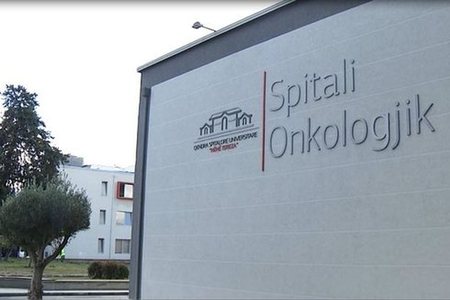
A recent investigation by the Prosecutor's Office of Tirana revealed serious abuse of office schemes at the Oncology Hospital, where citizens were forced to buy their own medicines for the treatment of the disease at a cost of up to 1500 euros per session, or were directed to perform operations in private clinics. with high out-of-pocket payments./Monitor


Lini një Përgjigje