


 Shkruar nga Pamfleti
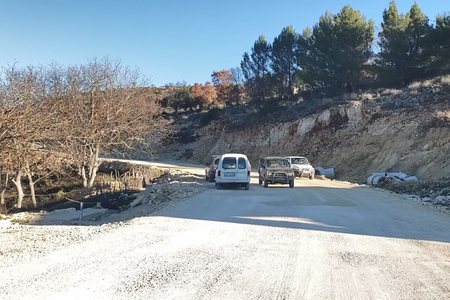
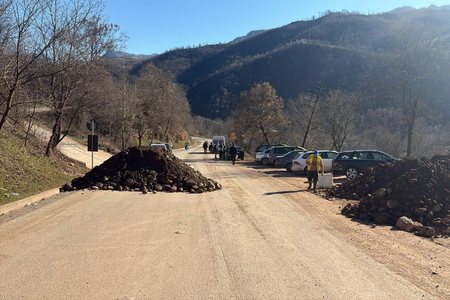
Civil society representatives in the Korça Region have reacted publicly after the landslide that led to the blockage of the Librazhd–Prrenjas national axis, an important segment connecting the southeast of the country with Tirana.
According to them, the situation created has produced immediate effects on the economic and social level, limiting the movement of citizens, increasing transportation costs and making normal business activity in the region difficult.
The tourism, transport and trade sectors are considered the most affected. The diversion of traffic to alternative routes, they point out, has increased the risk of accidents due to the increased flow and inadequate infrastructure to cope with such traffic. Civil society representatives raise concerns that the partial isolation of the area is directly affecting households and the supply chain of goods.
Another issue raised is related to fuel supply. According to reports, oil trucks are expected to be diverted through Kosovo rather than North Macedonia, which could translate into additional costs and price increases on the domestic market.
In their response, they have called on central institutions, including the Ministry of Infrastructure and Energy and the Albanian Road Authority, to intervene without delay and present a detailed plan with clear deadlines for stabilizing the area and restoring safe traffic.
Among the main demands are immediate intervention to improve alternative routes, support measures for affected businesses and citizens, ensuring a stable supply of goods and fuel, as well as transparency through periodic reports on the progress of the works.
Civil society emphasizes that the Korça Region is a key economic and cross-border point, so the blockage of this segment is not just a local problem, but a situation with national impact that requires a quick and clear solution.





Ju te Korces e keni te lehte, shkoni para shtepise te Niko Peleshit dhe protestoni