


 Shkruar nga Pamfleti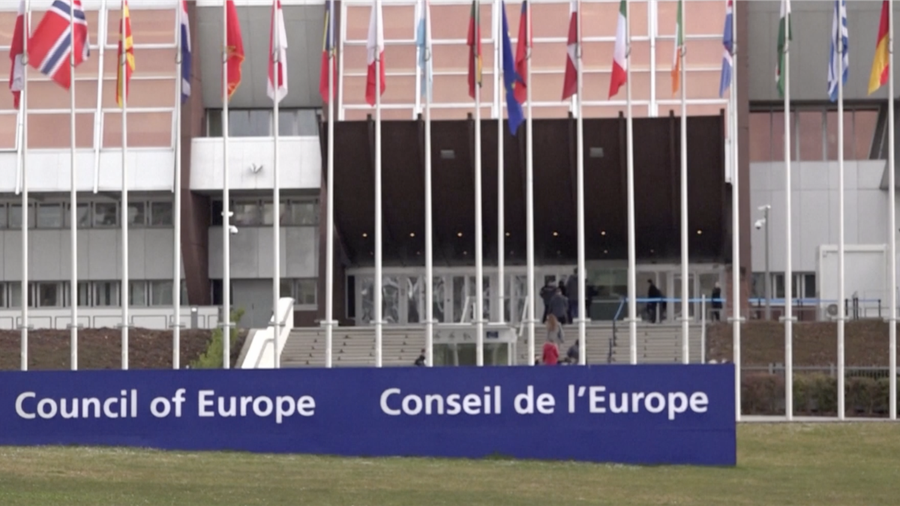
The Council of Europe published a report on Thursday that says the failure to deal with war crimes committed in the former Yugoslavia during the 1990s is endangering peace in the region.
The report points out that when almost three decades have passed since the end of the wars that tore apart the region of the former Yugoslavia, reconciliation remains elusive.
"There are steps back in the processes of dealing with the past and this coincides with the wider decline in respect for human rights and the rule of law in some countries in the region," the report states .
Accountability for war crimes is far from complete, the report states, "although there have been multiple efforts in the region to ensure criminal accountability, including a fully international war crimes tribunal, domestic war crimes trials as well as internationalized mechanisms or hybrids of accountability”.
Accountability efforts on war crimes, the report states, are being undermined by "the current climate of denial of war crimes and glorification of war criminals," as well as a lack of judicial cooperation among some countries, including continued refusals. from these states to extradite their citizens, who continue to enjoy impunity.
"There is an alarming trend towards ethno-nationalist discourse, denial of crimes and glorification of war criminals, which weakens efforts to confront the past. It is disturbing that such practices are accepted and actively pursued by politicians at the highest levels of politics and that they turn into strategies to gather votes and stay in power," the report states, underlining among other things that nationalist groups of the extreme right "contribute to this discourse, enjoying support from regional and international connections that made them a serious risk factor to undermine efforts to prevent the recurrence of violence".
The report states that given the unstable context in the region, it is necessary to criminalize the denial of genocide and war crimes as a serious form of hate speech.
According to the report, although there has been slow progress in recognizing the needs of rape survivors, through their inclusion as civilian victims of war in some national legislation, fear of stigmatization and exclusionary criteria continue to make it difficult for them to receive compensation.
"Seeking reparations through civil or criminal courts is a long and costly process and exposes victims to the risk of re-traumatization. In general, national authorities, apart from compensation, have paid little attention to reparations in other forms, such as rehabilitation, satisfaction through truth-telling, public apology and remembrance, as well as guarantees of non-repetition", the report points out .
It criticizes the process of determining the fate of missing persons, which is said to have declined in recent years, although nothing is yet known about the fate of nine thousand and 867 missing persons.
"It is urgent that these remaining cases be resolved as soon as possible in order to put an end to the suffering of the families. The long elapsed time and the possibility of misidentifications before the use of the DNA test present significant practical obstacles, while unfortunately the lack of political commitment for real regional cooperation in this field has become a major obstacle in recent years." , the report says.
The report calls for quick political responses to avoid a return of mass violence in the region, emphasizing that the past creates deep divisions both within and between the countries of the region, contributing to an environment of hatred and division, which is also reflected in the growth of hate speech, inter-ethnic violence and lack of tolerance.
"Younger generations are growing up in segregated societies, without real opportunities to interact with members of the other group or are being educated to see the "other" as a threat. The data on the radicalization of young people and some violent incidents involving young people constitute a very serious concern," the report states.
The report also highlights some shortcomings in the engagement of the international community, including that of intergovernmental organizations and individual donor states.
"The fading of commitment over time, prioritizing immediate stability over dealing with the past; inconsistent messages and an approach based on short-term projects are some of the causes, among many others, that have weakened the influence of international partners", the report states, while emphasizing that facing the past in order to reconcile and avoid conflicts in the future requires effort continuous that must extend beyond a generation. / VOA







Lini një Përgjigje