


 Shkruar nga Pamfleti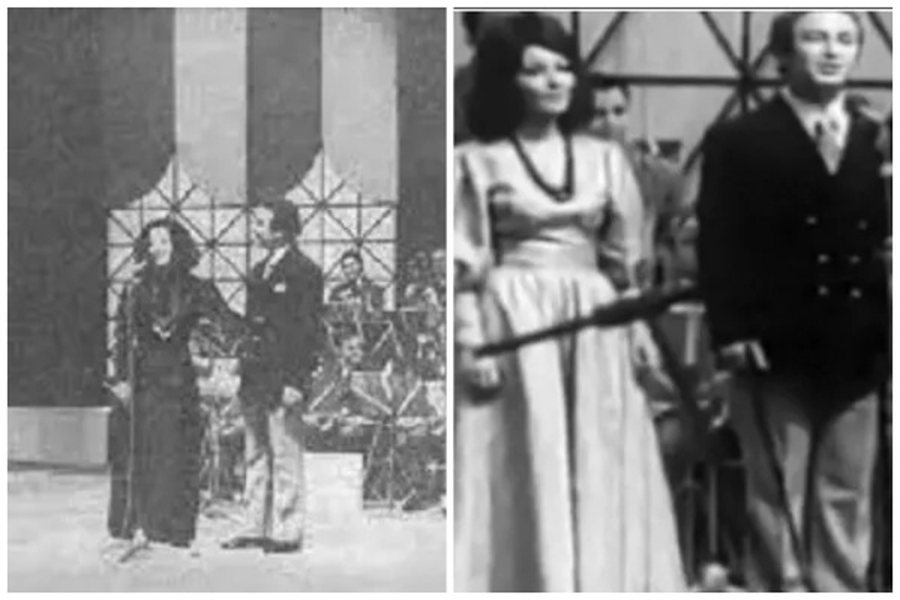
It is the fourth time that I am writing about the 11th National Song Festival on the Albanian Radio and Television, (December 22-25, 1972), as much as I wrote some time ago about the Tirana Conference, (April 16-20, 1956 ). And this time for the same reason: for the lack of historical accuracy of some events related to this festival, which Ramiz Alia, former first secretary of PPSh, after the death of Enver Hoxha, describes in the book his latest "My Life" (2010), although there are objective, honest statements in it, especially when he testifies about the serious mistakes that led to the failure of the communist system in Albania, led by Enver Hoxha, for which he apologizes. But in the description of his figure, Ramiz Alia is often contradictory, especially in the chapter; "The fight against liberalism", where it stops at the 11th Song Festival on Albanian Radio and Television (December 22-25, 1972).
How was the 11th Festival received?
To be honest, my friends and I, journalists at RTS, liked the festival, which I had the opportunity to attend only one night in the hall (the other nights on TV), even in the gallery, on foot, because the tickets we distributed mainly to our closest collaborators, prominent figures in various fields of culture, art and science. Except we were a bit impressed, the appearance! There were those to whom it seemed a bit excessive. Even sporadically among the people, especially among those who were conservative, some extreme opinion was created:
"Why, where are we here, in Italy, for singers to dress and sing like this? But also, somehow under his breath: "The festival was beautiful, with nice songs... and the clothes, especially of the singers. How good that their time on television has finally come. But, God forbid, there should be consequences from above"! One thing is certain: Clothing similar to that of the singers had begun to be seen regularly, at least among the young men and women of Tirana.
More precisely, in the children of the leaders, with the exception of the children of the "great leader". So, as a result of the parades on the big boulevard and the well-known bars of Tirana, they were on the stage of the 11th Festival. But, in any case, those clothes were still a surprise, in the untrained eye of the Albanian TV viewer.
Even the well-known publicist Marash Hajati, who worked as director of RTS and then general director of RTS from 1974 to 1987, in his book "The back door of the press", related to the external appearance of He gives similar thoughts to the 11th festival, when he writes: "Everywhere, at home, on the street, in offices, you could hear a multitude of evaluations and opinions from the most diverse: 'It was a beautiful festival, we enjoyed ourselves '. 'And what was original'? 'Tranical imitations like in Italy'. 'Bad'. 'It doesn't suit us...'! "Someone will suffer"! "The Party knows those things"!
Half-voiced, half-timid and, half-vigilant, these voices came in the form of rumours, up to the corridors of the Central Committee" (page 76.) Below he continues: "That night in the form of anger, something was said in the palace of rest in Vlora, by Enver Hoxha..."! But the question arises rightly: "Who did he tell"?! So even Marash Hayati, although a press instructor at the Central Committee, in this finding, remains in the field of conjecture, just like me in the description I made of this episode above, because even now, the truth of this has not yet been revealed expression, coming out of the dictator's mouth!
Better than anyone else, this can be proven by his wife, Nexhmija, who, as we said above, must have been present those nights of the festival, next to him in Vlora, maybe even the children, all the more so Marash Hayati continues: "His anger was greatly increased, when the central jury and those of the districts, in the Italian style, communicated and evaluated the songs and interpretations of that festival, which brought so many surprises"! (Yes there).
I am writing about the 11th Festival and I see it appropriate that, in order to quench the curiosity of readers, especially readers who were not yet born in those years, or were still minors, we recall some of his songs: Festivali, as mentioned above, took place from December 22-25, 1972, in the hall of the TOB (Opera and Ballet Theatre). 20 songs were sung by 19 singers (Sherif Merdani sang two). The songs were accompanied by the big orchestra, with conductors Ferdinand Deda and Eno Koço, the wind orchestra, directed by Gaspë Çurçia and the guitar orchestra, by Alfons Balliçi, as well as by a complex, consisting of three girls and three boys.
In addition to the central jury, for the evaluation of the winning songs, a jury was also created in; Korçë, Shkodër, Vlorë, Gjirokastër...! The festival, as I mentioned above, was directed by Bujar Kapexhiu and Edi Luarasi, the director was Mihal Luarasi. The first prize was won by the song: "Erdhi pranvera" by Pjeter Gaci, sung by Tonin Tërshana, the second prize by the song "The roads are beautiful", by Agim Krajka, sung by Lindita Sota, the third prize by the song "Kush me know me", sung by Ema Qazimi.
Nga këngët e tjera po përmend; “Në ekranin e televizorit”, kënduar nga Justina Aliaj, “Mozaik tingujsh e ngjyrash”, kënduar nga Liliana Kondakçi, “Erdhi një djalë në fshatin im”, kënduar nga Dorian Nini, “Kur dëgjojmë zëra nga bota”, kënduar nga Francesk Radi, “Sonte u takoj të gjithëve”, kënduar nga Zija Saraçi, “Nata e fundit”, kënduar nga Besnik Alibali…!
Kështu, pra, pas disa ditësh, që diçka ishte thënë për festivalin, dhe jo për të mirë, edhe ne, punonjësit e RTSh-s e nuhatëm, por tek Todi nuk vumë re asgjë shqetësuese, aq më tepër alarmuese.
Të paktën kështu na u duk. Nuk u bënë mbledhje rrufe të partisë, a të kolektivit, nuk u pa ndonjë figurë e rëndësishme e Komitetit Qendror të PPSh-së, të futej me nxitim në zyrat e Todi Lubonjës, ose ai të thirrej me urgjencë në “selinë e kuqe”. Por është fakt që; “Zëri Popullit”, nuk shkroi asnjë radhë për këtë festival, as për të keq, por as edhe për të mire! Po ashtu edhe gazeta “Drita”, organ i Lidhjes së Shkrimtarëve dhe Artistëve të Shqipërisë!
“Ato ditë, – shkruan Ramiz Alia, në librin e tij; ‘Jeta ime’,-Enver Hoxha ishte me pushime në Vlorë, kështu që nuk m’u dha rasti, të shkëmbeja ndonjë mendim për festivalin. Pas disa ditëve, më 9 janar të vitit 1973, në një mbledhje të Presidiumit të Kuvendit Popullor dhe pas 5-6 ditëve edhe në aparatin e Komitetit Qendror të Partisë, Enver Hoxha bëri një kritikë të fortë për Festivalin XI-të të Këngës në RTSh, duke e cilësuar atë si shkarje të rëndë, nga vija e partisë, bile armiqësore.
Para se Enveri të fliste në Presidiumin e Kuvendit Popullor, nuk kishim arritur të flitnim bashkë për festivalin. Kështu që kritika e tij për këtë festival, ishte e papritur edhe për mua. Bile nuk më erdhi mirë, që Enveri bënte kritikë publike, pa biseduar fare me mua, që përgjigjesha për këtë sektor veprimtarie”. (faqe 263-264).
Jo, ky pohimi Ramiz Alisë, nuk është i saktë. Ai me sa duket, ngatërron kohët dhe datat. Dhe ja sepse: Më 20 janar të vitit 1973, pra disa javë pas përfundimit të Festivalit të 11-të, (22-25 dhjetor 1973, Todi Lubonja na mblodhi, ne, krijuesit, në një takim që ishte bërë zakon të organizohej, çdo muaj, për të na dhënë orientime për planet tona krijuese, për muajin e ardhshëm. Takim krejt i zakonshëm. Sikur e kishim harruar festivalin. Mendonim se, vërtet Enver Hoxha, nuk e kishte pëlqyer atë, por e kishte mbyllur me kaq.
Mirëpo në fund të mbledhjes, Todi nxori nga xhepi i setrës një broshurë, e na tha: “Tani do t’ju lexoj një fragment të fjalës që shoku Enver, ka mbajtur më 9 janar, në mbledhjen e Presidiumit të Kuvendit Popullor, me titull, “Zhvillimi i letërsisë dhe arteve, të bëhet në luftë kundër çdo ndikimi të huaj ideologjik”, ku na kritikon edhe ne.
Ishte me të vërtetë për t’u habitur, se përse diktatori, kishte zgjedhur Presidiumin e Kuvendit Popullor dhe jo Komitetin Qendror, ku në çdo kohë dhe kur t’ia donte qejfi, mund të sajonte mbledhje, si vendin për të mbajtur këtë fjalim, aq më tepër kur në atë mbledhje, shqyrtohej një raport i paraqitur nga Komiteti Ekzekutiv i Këshillit Popullor të rrethit të… Tepelenës?!
Ky diskutim, aq më tepër për artin, ishte si dhia midis dhensh, sepse nuk kishte asnjë lidhje, me problemet ekonomike që trajtoheshin në këtë raport, me siguri të mbushur me shifra e fakte, doemos të fryra, për “sukseset” e rrethit të Tepelenës. Megjithatë, çekani i Enver Hoxhës, rrihte gjetkë.
Pasi lexoi radhët e para të fjalës së “udhëheqësit të madh”, ku mburrte Tepelenën dhe tepelenasit, Todi vazhdoi me zë të qetë, radhët ku populli i kësaj krahine, “tërë jetën e tij, ka kënduar e vallëzuar në mënyra të ndryshme…”, se: “nëpërmjet valleve e këngëve, u këndohej njerëzve, virtyteve e tyre të larta, pra, në të gjitha këto këngë e valle të popullit ka një pasuri të madhe kulture dhe arti që kanë mbajtur gjallë gjatë shekujve traditat luftarake e kulturore të masave të popullit”.
Siç shihet, frazeologjia e Enver Hoxhës në këtë diskutim, është, kaq e shterpët, kaq bajate, kaq e përgjithshme, sa mund t’i kushtohet pasurisë kulturore, të çdo krahine të vendit tonë. Por, kur Todi filloi të lexonte më tej, e kuptuam se ku donte të dilte, ky demagog i pakrahasueshëm: “Një mësuese shkolle, më shkruan se; kur u thotë nxënësve, se si duhet ta kenë paraqitjen e si të vishen, këta u përgjigjen; Ju, shoqja mësuese, na thoni të jeni të sjellshëm, me paraqitje të rregullt, por ne shikojmë në televizor, të dalin njerëz me veshje, me flokë e me paraqitje që ju na i keni kritikuar. Mirëpo ata që shfaqen në televizion janë zyrtare. Jo shokë, këto gjera nuk janë zyrtare, por kontrabandë”! (Enver Hoxha, Vepra 50, 1986, faqe 4-5).
Së pari, duhet të them, se diktatori e tepronte në mënyrë të habitshme! Që kishte pasur të intervistuar, a pjesëmarrës në emisione televizive, me veshje, ose me flokë disi të gjatë, kjo nuk përjashtohej. Por secili redaktor, kishte pasur porosi që të mënjanonte ndonjë dukuri të tillë dhe, si pasojë, asnjëherë nuk mbaj mend që ky problem, të jetë bërë i mprehtë.
Por Enver Hoxha, i mëshonte këtij fakti edhe me shprehjen absurde: “Këto gjëra nuk janë zyrtare, por kontrabandë”, ku fjala e fundit ishte përdorur krejt pa vend. Pastaj, edhe letra duket e stisur prej tij, si shkas për të sulmuar Televizionin e, pas tij, vetë Todin, siç ndodhi më pas.
After reading these lines, redeemed, even with one hand in his pants pocket, Todd took off his glasses and told us: "As you can see, we have to be careful that from now on, people with the flaws pointed out by friend Enver". With that, the meeting was closed. Not a word had been mentioned by Enver Hoxha, after more than two weeks, about the 11th Festival. Wasn't Todi Lubonja and we, who listened to these remarks of the dictator, right, that with that, all unrest about its consequences had ended? This is the truth. So, in the speech held at the Presidium of the People's Assembly, on January 9, 1973, Enver Hoxha did not mention the 11th Festival.
He did not even criticize the festival in those days even in the apparatus of the Central Committee. As we will see in the continuation of this dossier, he did this later... on March 15, because if the dictator had attacked the 11th Festival on January 9, 1973, Todi Lubonja would not have read the above fragment, with one hand in his pocket, but he would have read some "Alla Enver" attack, which we were used to hearing, did we read against the enemies of the Party, which went to the knife...! However, even this fragment had a meaning. "I knock on the threshold, so that the door can hear", - say the people. In short, we would hear his echo later.
Let's go back to Ramiz Ali's book "My Life". "The fundamental thing," he writes, "is that I was not clear why Enver Hoxha held such a critical position towards the festival." In all the contacts and conversations I had with him, about problems of arts and culture, Enveri was never rigid and sectarian. Even, we laughed when we remembered how strict Mehmeti was towards the "gafles" who passed by the offices of the prime minister. Enver was broad, with him he can discuss freely", (page 263).
At this point, Ramiz Alia has many reasons to be surprised. Because, as long as he admits a page above, that neither Mehmet Shehu, nor Hysni Kapo, had given him a warning about the festival, that Enver Hoxha had not even made a warning to him, it is understood that the whole strategy to attack the 11th Festival , he had devilishly woven it in his mind, or even with the consent of his wife, Nexhmije, proving once again that he had not thought for a long time, did he listen to the remarks of his colleagues in the Bureau, so that he could then make collegial decisions in the Political Bureau, or in the Central Committee, as Ramkz Alia writes in his book "My Life"!/Memorie.al


Lini një Përgjigje