


 Shkruar nga Pamfleti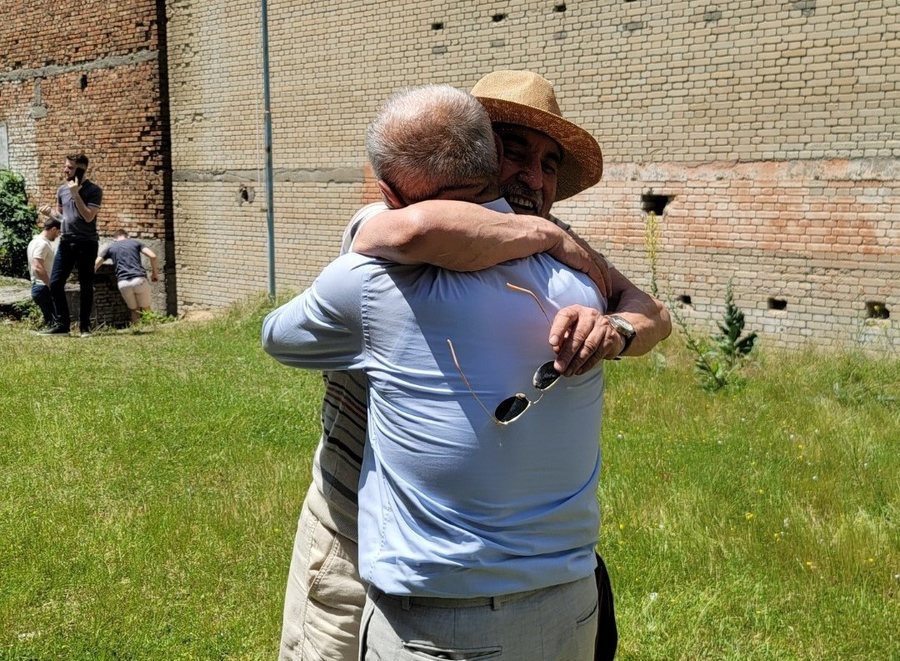
In the ruins of the infamous former Spaç camp, former communist prisoners and young activists join forces to defend memory against attempts to falsify history.
In the square between the two still standing buildings of the infamous former Spaç prison, two men embrace and, for a moment, stand tightly in each other's arms.
One is Fatos Lubonja, a publicist, writer and former prisoner for 17 years in the prisons of the communist dictatorship. The other is Gjergj Lekaj, 78 years old, arrested when he had just turned 18 for attempting to escape from the border and also a former prisoner in Spaç.
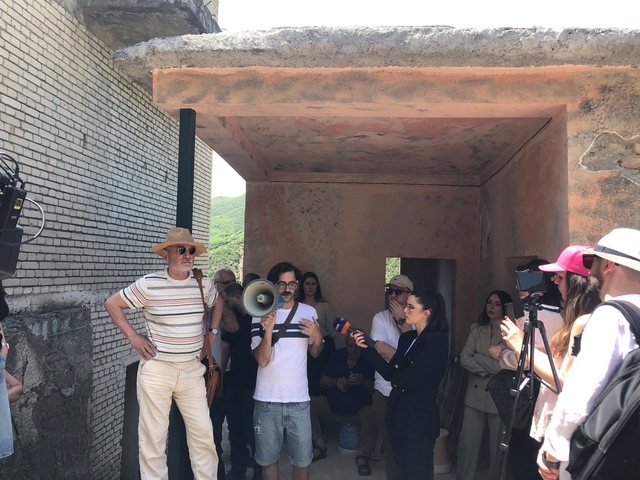
In a scorching sun on Saturday, the two had traveled independently to join a protest against encroachment on the former Spaç camp for the purpose of a film set.
The memories that unite them are more related to feelings than to events.
“Fatosi spent his first day working in the mine with me,” Lekaj tells us, recalling Lubonja’s arrival at the camp partly because of the furor created by the conviction of intellectuals of the time. His father, Todi Lubonja, former director of Albanian Radio Television, was convicted after the 11th festival and with him began the ordeal of suffering for his family.
"He was young, but he was the smartest of the prisoners and he was the only one who didn't open up, he stayed alone more, he stayed in the library. He would tell me: Gjergj, there's no better way to spend that little free time," Lekaj recalls, while calling Lubonjë an example of resistance for other prisoners.
Lubonja, on the other hand, has a different description of his first day in the gallery, and Gjergji comes to mind as a man who gave him the security to exchange a few words, in a place where, in addition to suffering, one had to guard against the risk of re-conviction.
“I met Gjergji with longing, he was a strong but fair boy,” says Lubonja, while still remembering his stories of how he had hit an officer. “He was beating up my friend with whom I was eating, so I got back at him,” Gjergji proudly recounts that moment even after so many years, an act that cost him another 2-year sentence.
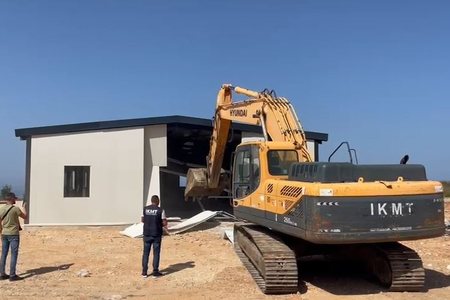
Their return to Spaç is seemingly linked to a paradox - they have come to protect their 'hell' from restoration, as the intervention launched by the government foresees construction works, walls with new blocks, and plastering of the buildings that erase the traces of time.
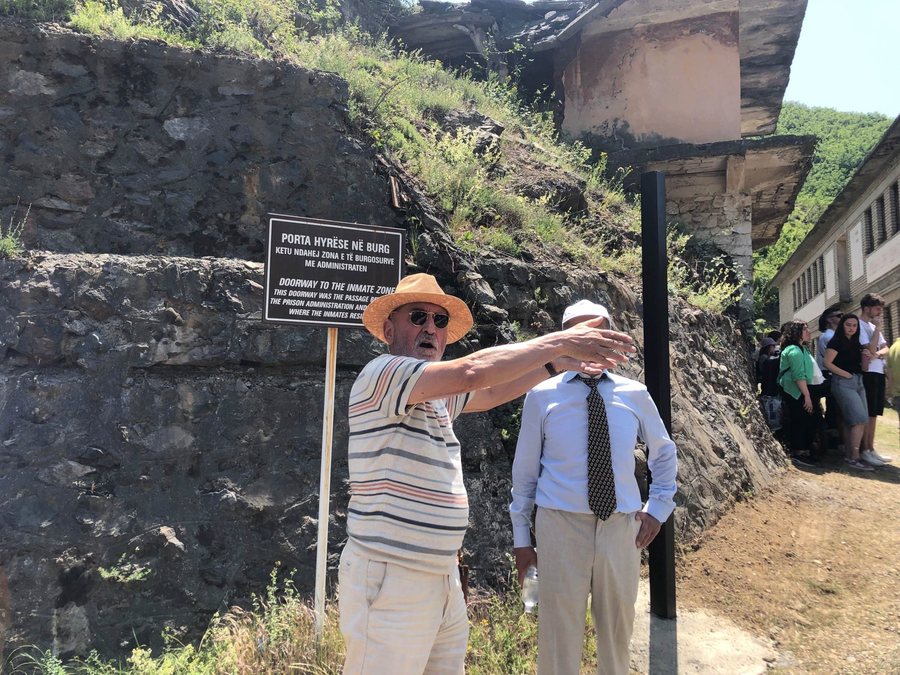
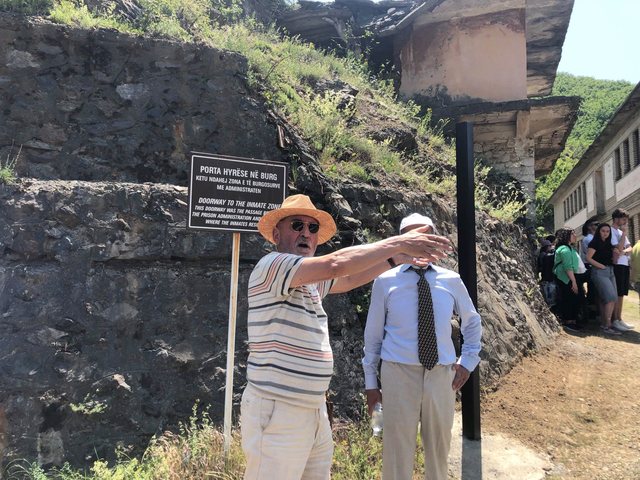
Lubonja, like a cicerone of suffering, shows the young activists in protest the physiognomy of the camp in the last 10 years of its operation, before it was finally closed with the fall of the dictatorship in 1991.
Ai ndalon në mes të shkallëve dhe prek me duar dy copa hekuri që shfaqesh disa centimetra mbi beton. “Këto janë shumë të rëndësishëm, sepse janë shenjat e portës që ndante zonën e të burgosurve me zonën lart të komandës. Ky ishte kufiri ynë që nuk mund ta kalonim,”thotë ai.
Më tej, Lubonja shpjegon një vizatim mbi beton që tregon në fakt një lojë ‘tresh’, ku të burgosurit krijonin mundësitë e ndonjë argëtimi të vogël mes tyre pas punës së rëndë në minierë, kohës së dënimit nëpër biruca, një ushqimi të keq dhe mësimeve të partisë që ishin të detyruara.
“Sa të burgosur kanë luajtur këtu? Si mund ta bësh të re këtë?” pyet ai në mënyrë retorike.
Në godinën që shërbente si fjetore janë ende shenjat në mure që tregojnë vendosjen e krevateve në 3 kate në dhoma ku flinin 30-40 veta.
Përballë saj, taraca e dikurshme që qëndronte si një ballkon mbi humnerën e malit nuk ekziston më, por disa tulla të kuqe të reja presin që të përdoren sipas projektit të miratuar nga Ministria e Ekonomisë, Kulturës dhe Inovacionit.
Kjo ështe papranueshme për Lubonjën dhe bashkëvuajtësit e tij, që e shohin këtë tentativë restauruese si një shkatërrim të kujtesës dhe falsifikim të historisë.
“Çdo gur ka një gjë për të treguar këtu dhe nuk mund të zëvendësohet me një gur të ri,” këmbëngul ai.
Të rinjtë në mbrojtje të historisë
Burgu- kamp i Spaçit u ndërtua nga regjimi i Enver Hoxhës në vitin 1968 për të shfrytëzuar punën e krahut të mijëra të burgosurve politikë në nxjerrjen e bakrit dhe piritit në minierë. Edhe pse është simboli i brutalitetit të regjimit totalitar shqiptar, në tre dekadat e fundit kanë dështuar përpjekjet e ish-të përndjekurve për ta konservuar këtë monument, me qëllim kthimin në një muze.
Një vit më parë, një plan-menaxhimi i miratuar nga Ministria e Kulturës dhe i konsultuar me të gjithë aktorët e shoqërisë civile parashikon konservimin e asaj çfarë ka mbetur nga godinat dhe përdorimin e njërës prej tyre në hyrje të ish-burgut si një hapësirë për të bërë muze.
Sipas aktivistëve të rinj që kanë inicuar dhe një peticion për ndalimin e punimeve, ndërhyrjet e nisura janë në kundërshtim me këtë plan menaxhimi dhe nuk marrin parasysh dëshmitë e atyre që kanë vuajtur në këtë kamp pune të detyruar.
Vilson Blloshmi, 26 vjeç, një prej organizatorëve të tubimit, e sheh aktivizmin e tij jo vetëm si një mbrojtje të trashëgimisë kulturore, por dhe si një ruajte të trashëgimisë së tij familjare.
Ai mban emrin e xhaxhait të tij, poetit Vilson Blloshmi që regjimi komunist e ekzekutoi pse guxoi të shprehte revoltën në disa vargje.
Në Spaç kanë vujatur dënimin babai dhe gjyshi i tij. “Për herë të parë kam qenë këtu 10-11 vjeç dhe megjithese nuk mund të kuptoja shumë, e papërshkrueshme ishte ndjesia revoltuese të shikoja dhomat ku kishte vuajtur gjyshi dhe babai,” i tha ai BIRN.
Sipas Blloshmit, “Spaçi nuk është thjesht një burg, është kujtim dhe ndjesi”, ndaj ai këmbëngul që duhet të ruhet siç është dhe jo të zbukurohet.
Sidorela Vatnikaj was also born after the fall of the dictatorship, but she was among the first activists to oppose the government's restoration project for Spaçi, a place for which she created the perception from Fatos Lubonja's memoirs in the book "Prison Life".
"What is happening in Spaç is not only a violation of a very important place in our historical memory, but also the continuation of a vicious and malicious logic to deny us the right to recognize the past as it was, recognizing both the murderers and the victims, to confront it and, as young people, to finally break away from it, so that we can then build a future without it," said Vatnikaj.
The battle for Spaç began a week ago, when some photos showing a building painted white began circulating online after a Facebook status by Arnen Sula, another young activist, who has been engaged in memory protection projects for years with his organization "Tek Bunkeri".
Sula, an architect by profession, says that interventions cannot be made in the remaining buildings of the former prison without respecting the memory of these people.
“I feel a responsibility to their truth to react,” he told BIRN, adding that “we are dealing with an aesthetic-scenographic reconstruction project, not a conservation intervention that preserves the trace of pain and the original material.”
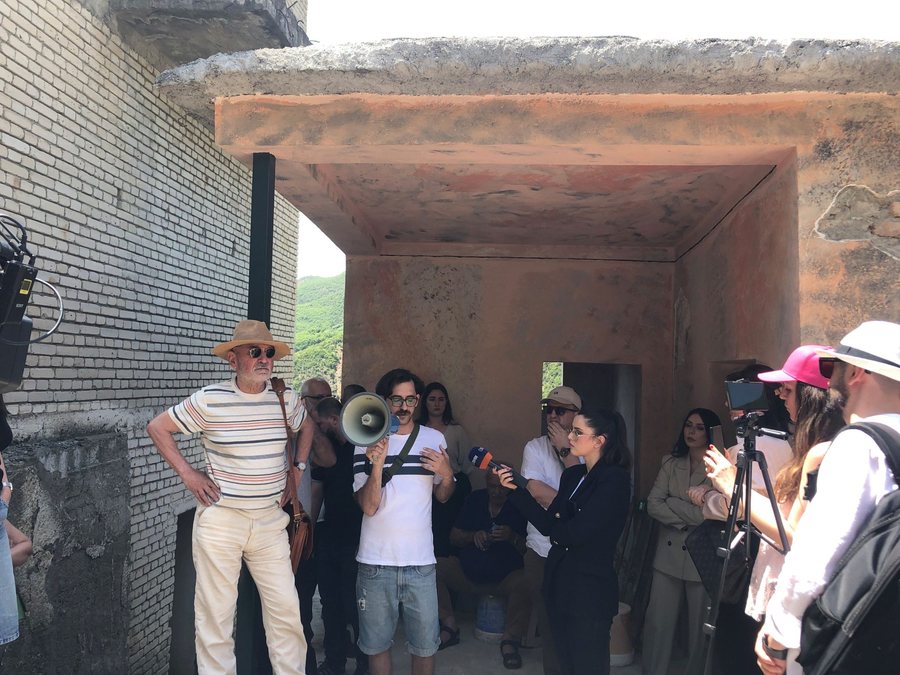
Saturday's protest was the second in a row in Spaç, after a previous reaction that included associations of former political prisoners and their families was held on Thursday, where this intervention was also opposed.
The Minister of Economy, Culture and Innovation, Blendi Gonxhe, initially defended the interventions and released a statement insulting the project’s opponents as “the Sancho Panchos of old politics.” In a second reaction, he lowered his tone and said that any intervention would be done while respecting the evidence and promised that the management plan would be respected.
Meanwhile, on Monday, the parliamentary committee on Media and Education decided to summon Gonxha to a hearing to address public concern about this contested project. / BIRN



Lini një Përgjigje