


 Shkruar nga Pamfleti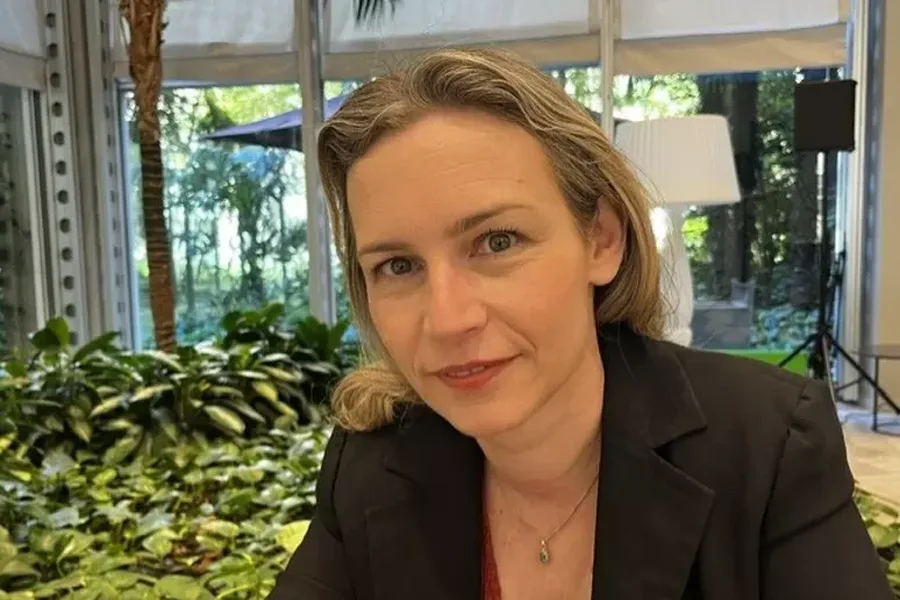
At the Turin book fair, the Albanian philosopher says that Europe should not start with rearmament.
She had lost everything: her family, the privileges, the connections, and the power she had as part of an aristocratic family. But Leman Ypi said that the most important thing she still had was her dignity.
"My grandmother saw dignity as a moral quality, linked to our willpower, something that no one can take away from us, not in prison, not in the gulag, not in a concentration camp."
This is what Albanian philosopher Lea Ypi, beloved by the younger generations, a graduate of the “La Sapienza” University in Rome and fluent in Italian, says. She is at the Turin Book Fair 2026 to present her new book “Dignity”, recently published by Feltrinelli.
"No matter how much regimes try to strip you of everything, if you have the willpower, the ability to resist, to fight, and to be aware of the compromises you can refuse, then your dignity remains. This is the essence of resistance," explains Ypi.
"This ability to resist tyranny is what we need today and must recover, so as not to lose the horizon of hope, from which political action arises. It helps us overcome the paralyzing thought: 'What can I do?', 'What value do my efforts have in a world controlled by oligarchs, tyrants and the powerful?'" adds the philosopher and writer.
Can young people who grew up with the idea that they have no future regain this ability?
"This depends on the context in which each one grows up, but I do not believe that it can be said that young people do not want change or do not think about the future. The problem is that there are no forms of political organization that would allow them to project together and express this will for change in solidarity with others, not in the solitude of social networks. The responsibility does not lie with young people. It is the political structures and parties that must rethink democracy beyond simple representation through voting ," says Ypi.
Her book is simultaneously a family novel that tells the saga of a family, a political history of Europe from the fall of empires to the collapse of communism, as well as a philosophical reflection on the meaning of dignity, both on an individual and political level.
“Sot Europa ndodhet në një udhëkryq dhe mendoj se zgjedhjet që po bën nuk janë ato që duhet të bëjë. Europa ka qenë gjithmonë e varur nga Shtetet e Bashkuara. Tani ekziston nevoja për më shumë pavarësi, por riarmatimi dhe mbrojtja duhet të jenë hapi i fundit, jo i pari. Më parë duhet ndërtuar një proces politik dhe shoqëror, sepse për t’u mbrojtur duhet të kesh fillimisht diçka për të mbrojtur”, shprehet Ypi, e cila jeton dhe punon në Londër.
“Dinjiteti” synon gjithashtu të jetë një ftesë për reflektim mbi mënyrën se si lidhemi me kujtesën, burimet institucionale dhe arkivat, përmes figurës së fuqishme të Leman Ypit. Frymëzimi për librin lindi nga një fotografi e gjyshes së autores gjatë muajit të mjaltit në vitin 1941: e buzëqeshur, e mbështjellë me një peliçe të bardhë. Fotografia ishte publikuar në rrjetet sociale nga një person që Lea Ypi nuk e kishte takuar kurrë.
“Kjo lidhej pjesërisht me botimin e ‘Të lirë’, libri im i mëparshëm, i cili në Shqipëri hapi debat mbi mënyrën se si e konceptoja lirinë, si edhe polemika në rrjetet sociale për familjen time dhe figurën e gjyshes. Kur përdhoset jeta e një personi që nuk jeton më, lind çështja e përgjegjësisë së atyre që mbeten për t’i vënë gjërat në vend. Kërkimi për këtë libër është pjesërisht historik dhe i bazuar në arkiva, por njëkohësisht ngre edhe problemin se nuk ekziston një këndvështrim neutral kur kërkon në burime, pasi ato janë të lidhura me pushtetin e ngritur.
Po shohim të përsëritet gjithçka: rikthimin e fashizmit, krizën ekonomike, elitat transnacionale. Historia përsëritet, por ne duhet të mësojmë nga gabimet e së kaluarës dhe për ta bërë këtë duhet të kuptojmë si të qasemi te kujtesa. Letërsia na jep mjetet për ta rimenduar pushtetin në mënyrë kritike, sepse na lejon të shtrojmë pyetje mbi boshllëqet e arkivave. Në fund, nuk është e rëndësishme vetëm çfarë gjejmë, por si e tregojmë. Gjyshja ime thoshte gjithmonë: ‘E rëndësishme nuk është çfarë kujtojmë, por si kujtojmë", shpjegon ajo./ Përshtati “Pamfleti” nga “ANSA”.





Lini një Përgjigje