


 Shkruar nga Pamfleti
It all started in 2009, when an Albanian friend he met at a construction site recruited him - saying Nick's pale skin and British passport would help him avoid suspicion from border authorities.
A former British soldier turned people smuggler has told the BBC how he transported dozens of Vietnamese migrants by yacht to private marinas in coastal towns across south-east England.
The man was convicted and sent to prison in 2019, but we have learned that smugglers are still using similar routes and methods - described by the Border Force as "a truly worrying risk".
Private marinas "have no more security than a caravan site", one harbour master on the Essex coast told us - while another said "there is nothing to stop this people smuggling".
The former soldier and smuggler, who we're calling Nick, has also described how he smuggled Albanians from cars onto ferries - and how the migrants would then board trucks on the vehicle decks midway through the English Channel journey.
The smuggling routes - whether by yacht or ferry - were "easy" and "low risk", Nick told us.
He said he had chosen to speak out now because he was "angry" at being imprisoned for a crime he still committed. He claimed he knew people who, over the past year, had used the same routes and methods as him.
His sentence was "meaningless," he said, if authorities did not improve security to stop other people smugglers.
The Border Force is responsible for securing 11,000 miles of the UK's coastline, but the security of ports and marinas remains with private operators, Charlie Eastaugh, the force's director, told the BBC.
"We patrol 24/7, conducting proactive as well as reactive operations," he said - citing a luxury yacht, hiding 20 Albanians below deck, which was seized en route to Newquay in Cornwall last month.
"His stories and accounts represent a worrying risk to the UK in relation to people smuggling and irregular migration at sea," said Charlie Eastaugh of the Border Force.
Unlike many migrants who cross the English Channel in small boats, most of those transported by Nick did not want to be found by the authorities to formally claim asylum. Once they reached the shores of the United Kingdom, they wanted to disappear anonymously into the black economy. Nick said he was told that the Vietnamese migrants would continue to work on cannabis farms.
Fakti që edhe Niku udhëtoi me ta - duke drejtuar një jaht - është gjithashtu i pazakontë.
E gjitha filloi në vitin 2009, kur një mik shqiptar që takoi në një kantier ndërtimi e rekrutoi atë - duke thënë se lëkura e zbehtë e Nick-ut dhe pasaporta britanike do ta ndihmonin të shmangte dyshimet nga autoritetet kufitare.
Miku, të cilin po e quajmë Matt, ofroi t’i paguante Nickut 3500 paund për çdo emigrant që ai do kalonte kontrabandë në Mbretërinë e Bashkuar. Nick punonte si ndërtues i vetëpunësuar në atë kohë, por biznesi i tij ishte shkatërruar nga kriza financiare në fund të viteve 2000 dhe ai po luftonte për të siguruar jetesën.
Matt foli shkurt për BBC-në dhe konfirmoi detajet e historisë së Nick-ut - por ne nuk vazhduam me një intervistë të plotë sepse ai kërkoi pagesë.
Në fillim, Nick mori migrantët e fshehur pranë porteve franceze të trageteve, duke i fshehur ata në bagazhin e makinës së tij.
Ai na tha se emigrantët ishin kryesisht burra shqiptarë, pa të drejtë pune në Mbretërinë e Bashkuar. Shpesh ata ishin kontrabanduar nëpër Kanalin Anglez tre ose katër herë më parë, por ishin deportuar çdo herë, shtoi ai. Megjithatë, na tha se disa nga pasagjerët e tjerë, nga vende si Sri Lanka, kërkonin azil.
Në traget, Niku do të zgjidhte një kamion që një anëtar tjetër i bandës së kontrabandistëve që priste në tokë do ta dallonte lehtësisht. Niku tha se do t'u dërgonte atyre një foto dhe do t'u tregonte targën e automjetit.
Anëtari i bandës që priste do ta ndiqte kamionin pasi ai të zbriste dhe do ta merrte emigrantin kur ai më në fund do të ndalonte. Shoferi i kamionit nuk nuk duhej të dinte asgjë dhe as nuk do të përfshihej, tha Nick.
“Po ju them tani sa e lehtë është”, thotë Nick, duke këmbëngulur se nuk do të ishte kapur kurrë, nëse nuk do të ishte për një mik, të cilin e kishte marrë me vete një ditë, i cili i kishte njoftuar autoritetet franceze me një gjuhë trupi të dyshimtë. Nick përfundoi duke kaluar pesë muaj në një burg në Francë.
Ndërkohë, Matt u kap gjithashtu dhe iu dha një dënim me shtatë vjet burg në Mbretërinë e Bashkuar. Kjo kishte ndodhur pasi një emigrant kishte kërcyer nga një kamion që lëvizte me shpejtësi, për të shmangur pagesën e kontrabandistit, dhe i kishte prerë këmbën.
Nick u ribashkua me Mattin, të cilit iu dha lirim i parakohshëm, në vitin 2017 dhe dyshja filloi të kontrabandonte përsëri njerëz përtej Kanalit.
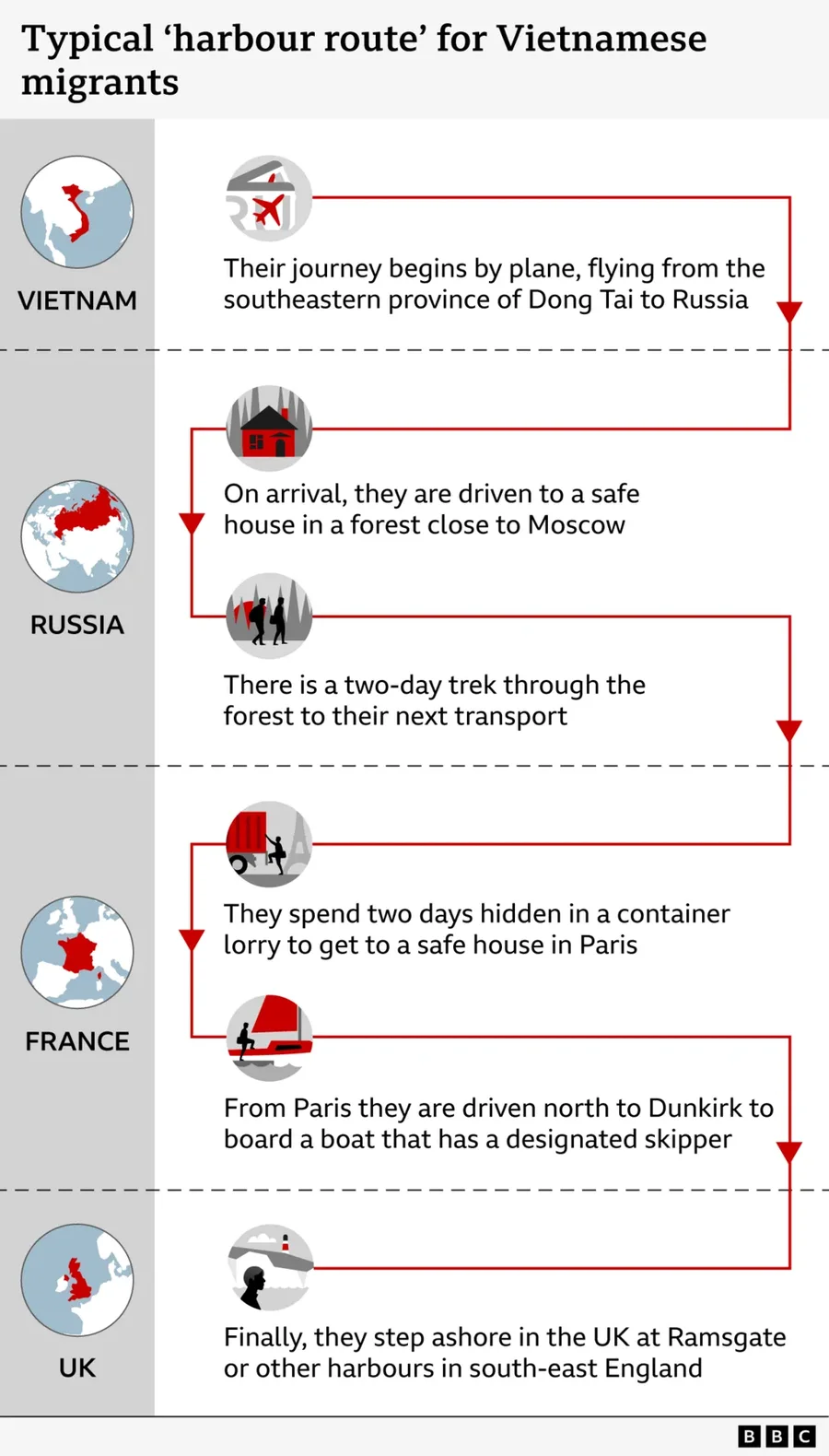
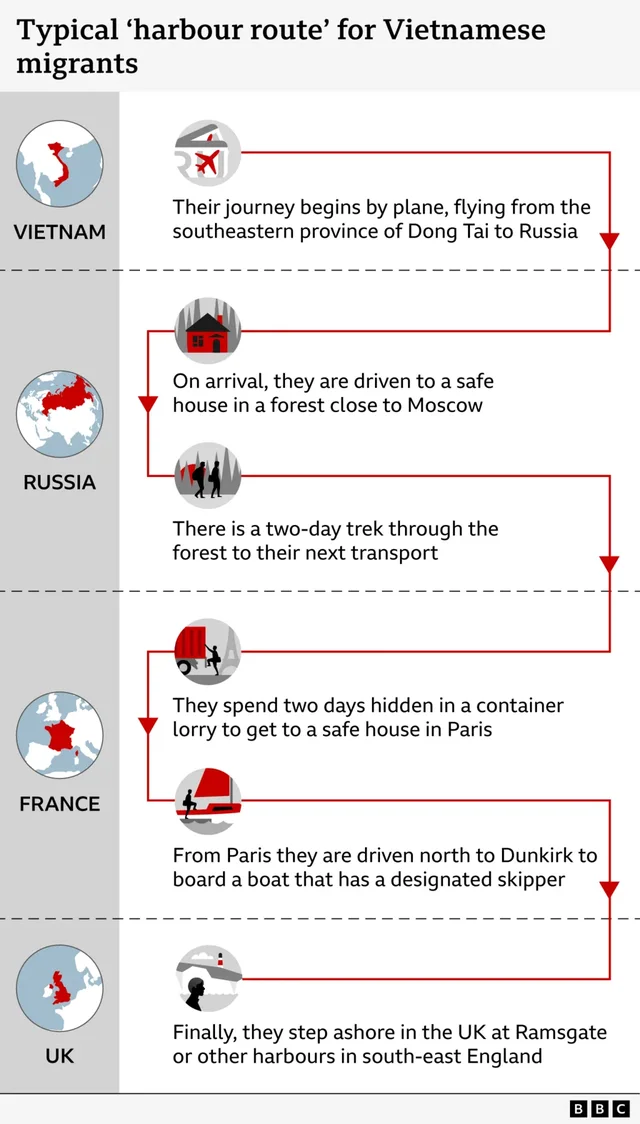
Megjithatë, këtë herë, Nick na tha se mori përsipër një plan që parashikonte mbërritjen e emigrantëve vietnamezë nga Franca me jaht në Marinën Ramsgate.
Operacioni u ndërmjetësua nga një prej kontakteve të Mattit, na tha Nick, një grua vietnameze që ne e quajmë Lin. Ajo kishte jetuar në Mbretërinë e Bashkuar për më shumë se një dekadë dhe kishte kaluar kohë pas hekurave për kultivim kanabisi dhe përvetësim të të ardhurave nga trafikimi i drogës.
Nick tha se ajo i pagoi atij dhe Mattit 12,000 paund për çdo emigrant.
'Njerëzit do të më urrejnë'
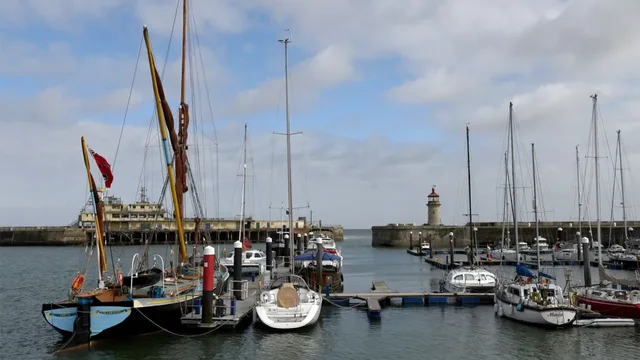
Nick, who grew up sailing the English Channel with his father, told us he knew Ramsgate Marina was a large, low-security place that “nobody looked at.” Since he was a registered member of the navy, there was no reason for anyone to suspect any wrongdoing, he explained.
It was also a good place to track the movements and checks of Border Force agents, he told us, because a fleet of force ships was also based there.
"People will hate me because now there will be smuggling," said Nick, who insists that private marinas in English coastal towns are still hotspots.
Two harbour captains, speaking anonymously to the BBC, agreed with Nick that private marinas were an easy target for people smugglers because they were not staffed 24/7.
One Essex-based person compared the security to a caravan site and said someone could hide people in a boat “easily”.
"In a busy marina in peak season, with lots of people coming in and out, it would be very easy to do this," they said.
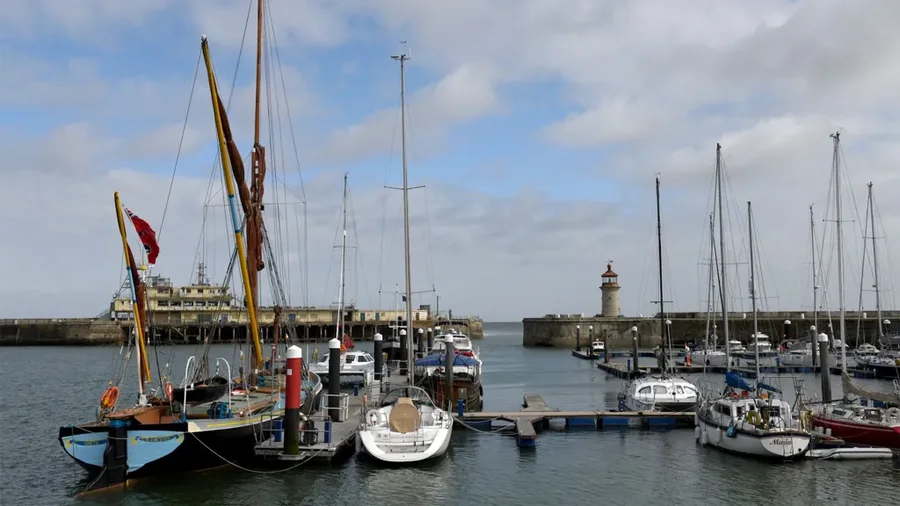
In Kent, Thanet District Council - which is responsible for Ramsgate Marina - told us that it was the Border Force, and not individual ports, that was the "frontline response to immigration and illegal activity".
"Staff at the port and harbour are vigilant and report any concerns or suspicions directly to Border Force for them to follow up," a spokesman said.
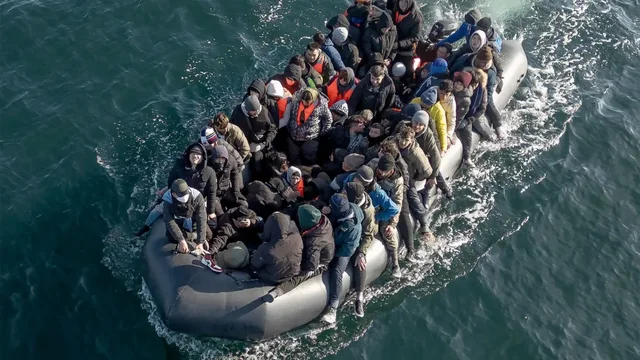
More than 12,500 people have crossed the English Channel in small boats so far in 2025 - and a record number of migrants died while attempting to make the dangerous crossing in 2024.
Border Force resources are focused on people crossing the Channel in small boats to seek asylum, the force's former chief told us.
Nick told us that he would carefully plan his trips to France according to the tides and favorable weather conditions - setting off from Kent after dark. He would go to private marinas, yacht clubs and other discreet locations around Dunkirk to pick up Vietnamese migrants who had been expelled from a safe haven in Paris.
Normally he smuggled four per trip, he said.
He would return to Ramsgate in the early hours of the morning, he told us. The migrants would remain hidden inside the ship's cabin until the following evening, when one of the smugglers' gang members would round them up under cover of darkness. /Adapted from the BBC Pamphlet/




Lini një Përgjigje