


 Shkruar nga Pamfleti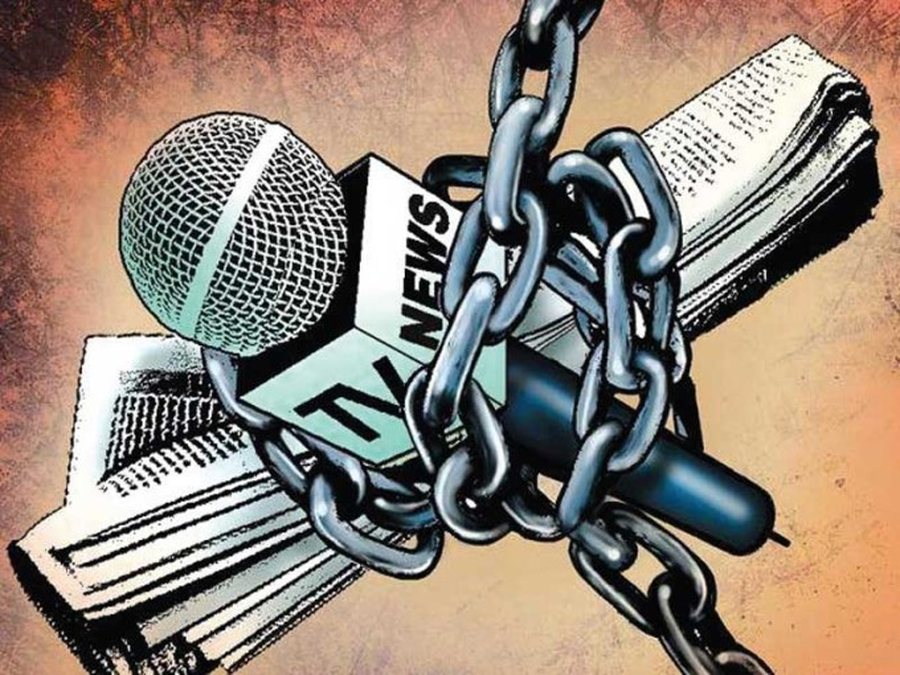
In Albania, the right to information has been stagnant for several years, journalists and representatives of non-governmental organizations report for the Voice of America.
Journalists are encountering new forms of not providing information requested by public authorities, while taking it to court becomes more and more difficult due to the prolongation of processes, as a result of the problems that Vetting has brought to the justice system. They encounter the most obstacles in cases where the information is related to corrupt acts and the use of public funds.
A recent report by the Res-Publica center, which has been monitoring the implementation of the right to information in Albania for 10 years, estimates that there is no visible progress in this direction. Journalists, mainly investigative ones, face difficulties in obtaining information from official institutions, when it comes to the use of public money.
Dorjan Matlia, head of the center, gives this overview in a general conclusion.
Regarding the reaction of the institutions after receiving a request for information, usually in 2/3 of the cases for any information requested, journalists receive a response after the initial request. They don't take it for 10 days as the law stipulates, but it lasts 23-24 calendar days, so it means about double the time. On the other hand, 1/3 of the requests go to the Commissioner for the Right to Information. A good part receive answers from the Commissioner, but still about 2% of requests for information remain, which, although it seems a small number, do not receive answers. It is exactly those hot questions that investigative journalists ask about procurements, concessions, construction permits or environmental permits, where it is thought that the level of corruption is higher, that do not receive answers. These are cases that go to court," Dorian Matlija, Executive Director of the Res Publica center, said to the Voice of America.
Even the Commissioner for the Right to Information told the Voice of America that the biggest problems are related to the management of public funds. About 1,000 complaints per year arrive at this institution and its intervention means that in 70% of cases requests for information are met immediately by the authorities. "But there are other phenomena when the right to information is damaged by public institutions," he says.
"Another phenomenon that does not help in this direction is the frequent change of coordinators for the right to information in institutions. In addition to being a professional loss, it represents an ongoing cost. Replacing him after he has done our trainings, after he was trained at the school of public administration and is replaced without any objective reason, without any reasonable reason, damages the right to information" - says Besnik Dervishi, Commissioner for the Right to Information.
Gazetarët thonë se po përballen me forma të reja të përpjekjes së institucioneve për të fshehur informacionin. “Në një kohë kur informacioni përhapet me shpejtësi dhe konkurenca është e madhe- thotë Aleksandra Bogdani gazetare e Birn (Rrjeti Ballkanik i Gazetarisë Investigative), -institucionet në rastin më të mirë, kthejnë përgjigje në fund të afatit prej 10 ditësh”.
“Është një trik, që institucionet e ndjekin gjithnjë e më shumë tani. Kthejnë përgjigje ditën e dhjetë, për të mos u përballur me penalitete të ligjit, por përgjigjet janë gjithnjë e më shumë defiçitare për sa i përket vlerës së informacionit, që ato japin”- argumenton për Zërin e Amerikës Zonja Bogdani, gazetare e Birn.
Ndërsa Klodjana Kapo, drejtuese e Faktoje.al, organizatë verifikuese e fakteve, thekson se institucionet publike i shmangen intervistave për marrjen e informacionit të kërkuar, dhe preferjonë përgjigjet me shkrim, të cilat nuk janë të plota.
“Gazetari jo gjithmonë e ka informacionin për të ezauruar çdo interes me pyetje brenda kërkesës për informacion. Kjo ka bërë që personi që duhet të kthejë përgjigje në institucione nuk arrin të kthejë përgjigje të plota shteruese, dhe informacioni nuk është gjithmonë i saktë dhe i vlefshëm për gazetarët që duhet të përgatisin një lajm”- shprehet Zonja Kapo, drejtuese e Faktoje.al.
Një moment tjetër lidhet me disa kufizime ligjore, që sipas Z.Matlija, keqpërdoren nga autoritetet publike për të mos dhënë informacion kryesisht kur bëhet fjalë për kontrata me vlera të mëdha financiare.
“ Në përgjithësi kur janë informacione të thjeshta institucionet e respektojnë të drejtën e informimit, por në rastet e komplikuara kur nuk duan të publikojnë informacione çështja bëhet shumë e vështirë. Abuzojnë shumë me ato që janë kufizimet e ligjit. Heqin të dhëna të tëra nga kontratat me justifikimin për të ruajtur sekretin tregtar ose të dhënat personale. Në fakt nuk është aspak kështu sepse ne i kemi fituar të gjitha rastet në gjykatë dhe kemi parë që justifikimi ka qenë abuziv” – vijon Z. Matlija.
Zoti Matlija veçon një sjellje të re pozitive të Gjykatës së Shkallës së Parë në Tiranë e cila në disa raste ka dhënë vendime të ekzekutueshme menjëherë, në rastin e proceseve për të drejtën e informimit. Procesi i Vettingu-t ka përgjysmuar trupën gjyqësore dhe gazetarët enden në gjykata 7-8 vjet. Nga ana tjetër ata po hasin pengesa në marrjen e informacioneve edhe nga vetë organet e reja të drejtësisë.
“Një prej çështjeve e kemi me Komisionin e Pavarur të Kualifikimit, institucioni me bazë Vettingun. Pra KPK refuzon të bëjë publik informacionin lidhur me një donacion që ky institucion ka marrë për të organizuar një seminar. Duhej të ishte një informacion publik. Kemi 4 vjet në gjyq. Pas vendimit të Gjykatës së Apelit, KPK sërish refuzoi të zbatojë vendimin dhe shpenzon energji të tëra deri në Gjykatën e Lartë për ta fshehur këtë informacion” – vijon Aleksandra Bogdani, gazetare e Birn.
Speaking about a difficult time for journalism in the country, Koloreto Cukali, of the Albanian Media Council, said that delays in receiving information make it invalid.
"The most well-known practice is that of delay, exceeding deadlines. Using all the tools makes the information worthless. Which means when they give you the information after 4 months, or even more, that information should no longer be needed. It continues to be a bad experience in receiving information," Koloreto Cukali says for the Voice of America.
Although there is no turning back on the right to information, journalists appreciate that standing still is just as damaging when it comes to important information about the spending of public funds. This is where acts of corruption originate, they argue, and any shadow that hides such information increases suspicions of abuse of this money. The Voice of America asked the Media and Information Agency for a position on these issues raised by the journalist community but did not receive a response. /VOA




Lini një Përgjigje