


 Shkruar nga Pamfleti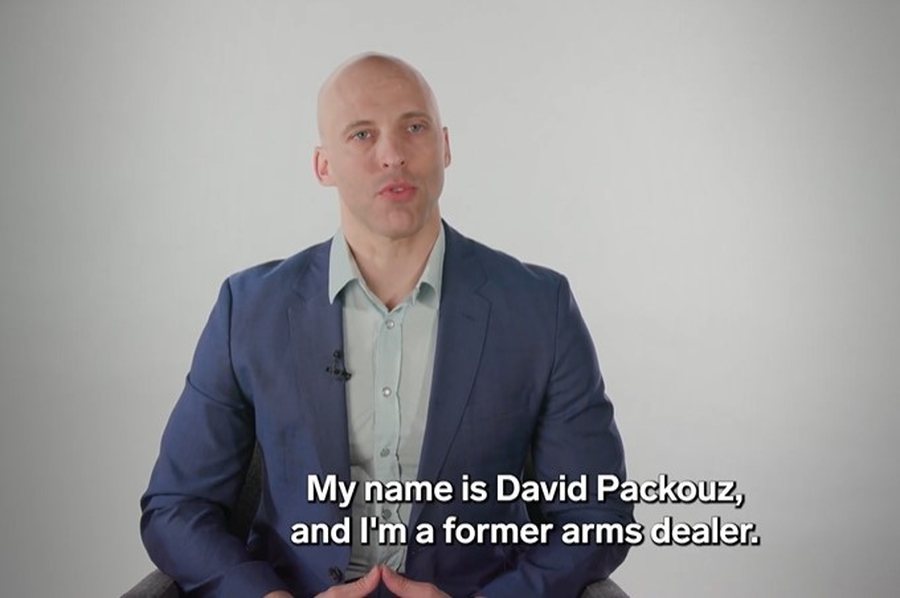
David Packouz tells the whole story of Gërdec and the cartridge traffic...
Other shocking evidence comes out regarding Gërdec and the role of Shkëlzen Berisha.
In a long interview for 'Business Insider,' David Packouz, the former vice president of the American company "AEY", also talks about the contract he and his partner Efraim Diveroli concluded with the Albanian government for the trade of ammunition.
He explains in detail how the whole process worked, from winning the contract with the US Army to how the scheme with Albania worked. He mentions there the son of the former prime minister Sali Berisha, while also stopping at the reports with Kosta Trebicka and his mysterious death.
David Packouz's full statement
Produce
There are two main calibers in the whole world. Two different weapon systems. It is the weapons of the Warsaw Pact, which were produced by the former Soviet republics and NATO, which are the armaments produced by the NATO alliance in the West. And the armaments of these systems can no longer be adapted to each other.
The US does not produce weapons like those of the Warsaw Pact. Therefore, when you have to supply a country with such weapons, then you have to turn to third parties, which are generally the former member countries of the Warsaw Pact.
The US imposes arms embargoes on various countries for a variety of reasons. China was placed under an arms embargo in 1989 due to the infamous Tiananmen Square massacre. Also, they put Russia under an arms embargo shortly before they gave us the contract. Initially, the US had planned to buy all the munitions from Russia, as it was the only supplier that could provide the entire list of munitions that the US wanted to buy. So they opened the contract to the best provider, to an intermediary company like us, to give them a single price for everything because they didn't want to deal with 50 different people. They preferred to negotiate with a single broker, who in turn would deal with all end suppliers.
The best price we found for small caliber ammunition, the kind used in AK-47 Kalashnikovs, came from Albania. At the time, Albania had a massive stockpile of Warsaw Pact munitions, and in the meantime they were trying to join NATO. The alliance had been asked to dispose of old Soviet munitions…
The problem with the gun industry, as far as worker safety is concerned, is that it's about producing high-risk products. Of course, manufacturers want to avoid disasters like the one that happened in Albania because it is not good for business when the factory explodes. On the other hand, there is a notorious incident in Albania, in a village called Gërdec, where the Albanian government had started the process of dismantling a part of the old Soviet munition. But they were doing it in an irresponsible way and caused what I believe is the largest non-nuclear explosion in history.
The way we made the Albanian deal is that we had previously done business with a Swiss arms dealer named Henri Thomei. He had many acquaintances, especially in the Balkans. That's why he managed to secure this bargain for AK-47 ammunition at such a favorable price for us. We paid Henry and he paid the Albanians.
scheme
There was a team of people opening wooden crates and metal boxes. They put the ammunition in thick plastic bags and then in cardboard boxes. This way we could minimize the weight during transport, since we were sending everything by plane to Afghanistan.
Alex Podrizki was my best friend when we were looking for someone to manage the repackaging in Albania. We hired him to go there and do this work. At first he didn't mind that we would have to repack, but we wanted him to go there and inspect since he had some military experience. There he discovered that the ammunition was Chinese. There were Chinese symbols on all the crates and boxes. Ephraim said, 'Listen, we'll only discuss this over the phone. No emails, no texts.' But Ephraim wanted to make sure Alex was giving him accurate information and insisted on sending him pictures of the boxes and crates. After that, everyone started talking more openly, and a significant number of emails were created, showing very clearly and in detail what we were doing.
We didn't want to take the risk of losing a $300 million contract. So we thought maybe we shouldn't tell. Maybe we should just repackage the ammo, so there's no doubt. This is what we did and contracted an Albanian named Kosta Trebicka, who had a company that produced cardboard boxes in Albania. He would provide us with the boxes and the labor to repack the ammunition to avoid the Chinese symbols. And we started to distribute according to this scheme.
Ishin rreth 100 milionë fishekë që duheshin riambalazhuar. Nuk ishim plotësisht të sigurtë nëse kjo ishte e paligjshme, sepse municioni që po blinim në Shqipëri vërtet vinte nga Kina, por i përkiste viteve ’70-të, shumë kohë para vendosjes së embargos së armëve. Kështu që, ky municion nuk përbënte shkelje të embargos. Ishte i ligjshëm në këtë aspekt, por shkelte kushtet e kontratës tregtare që kishim me ushtrinë amerikane. Nëse do ta dorëzonim këtë municion, do të ishim në shkelje të kontratës, sepse ajo thoshte specifikisht që nuk lejohet municion kinez dhe pikë.
Municionet dhe armët, të paktën ato të kalibrit të vogël, ruheshin në bunkere nëntokësorë. Në Shqipëri kishte një rrjet masiv tunelesh nëntokësorë, që ishin mbushur me armë të kalibrit të vogël dhe municione, për t’i mbrojtur nga ndonjë bombardim i mundshëm. Kur shkuam në Shqipëri për inspektim, na çuan në këto tunele të ngushta nëntokësorë. Kushdo që e njeh historinë e Shqipërisë, e di se shumica e municoneve të tyre vinte nga Kina. Ne, dy djem të rinj nga Miami, nuk e kishim idenë. Ushtria amerikane duhet ta kishte ditur. Nuk e di nëse e dinin qysh në fillim apo jo. Por, e di që kur Ralfi doli në gjyq, email-e të brendshme qeveritare u dërguan dhe ushtria amerikane tha se ato municione ishin kritike për misionin në Afganistan. Pasi ‘Neë York Times’ botoi një artikull të sikletshëm duke demaskuar gjithçka kishte ndodhur, atëherë u shtirën sikur nuk e kishin idenë dhe na e anuluan kontratën.
Shqiptarët
Kur gjërat filluan të shkonin mirë dhe ne po dorëzonim rregullisht municionet dhe me Kosta Trebickën, shqiptarin që merrej me ambalazhimin, po dorëzonim nga 3-4 ngarkesa në javë, Efraimi vendosi që donte të nxirrte më shumë para nga ujdia. Siç ndodhte gjithmonë me të. Ai i kërkoi Kostës nëse mund të zbulonte se sa paguante Ministria e Mbrojtjes për municionin që ne po blinim, sepse deri atëherë paguanim Henrin, tregtarin zviceran të armëve. Nuk i paguanim direkt shqiptarët.
Kosta na ktheu përgjigje pas disa ditësh se Ministria e Mbrojtjes paguhej 2 centë për fishek për municionet. Ndërsa ne, e paguanim Henrin 4 centë për fishek. Kjo e acaroi tej mase Efraimin. Kështu që, Efraimi vendosi të shkonte Shqipëri për të rinegociuar me shqiptarët dhe të arrinte një marrëveshje direkt me ta.
Ai më kërkoi të falsifikoja një sërë dokumentesh, që të dukej sikur konkurrentët e shqiptarëve, furnizuesit e tjerë, na kishin dhënë çmime shumë më me leverdi. Është çuditërisht e lehtë të falsifikosh dokumente, sidomos nëse ke një dokument legjitim. Gjithçka që duhet të bësh është të ndryshosh disa numra. Ai jua çoi këto dokumente shqiptarëve dhe ju tha, nëse nuk më jepni një çmim më të mirë, do më duhet të zgjedh konkurrentët tuaj, çekët ose ukrainasit. Por, shqiptarët ju hodhën një sy letrave dhe thanë se ishin false. Mos na tregoni ato m** dokumentesh fallco. E kuptuan qysh në fillim.
They organized a meeting with a guy named Mihal Delijorgji. Ephraim met with Delijorgji and another person, whom he later identified as the prime minister's son. Delijorgji told Efraim that he knew we were looking for a better price and that we were paying the other Albanian, Kosta, to do the repacking. Why don't you give me the repacking contract. I will profit from the repacking contract and give them a small discount on the ammo since I will be making money from it as well.
Ephraim said that was a fantastic idea. The other one (Kosta Trebicka) is suspended, you (Delijorgji) are contracted. Let's do this.
Costa called me and said, I understand that you are changing the person who will do the repackaging. I understand it's just business, but I have about $20k of stock boxes left. I told Ephraim, why don't you give 20 thousand to Kosta and transfer the boxes. But Ephraim said no. And what can he do to us? I told him that he (Kosta) knows everything. Are you sure you will do this, Ephraim? And he told me that he has nothing to do with us.
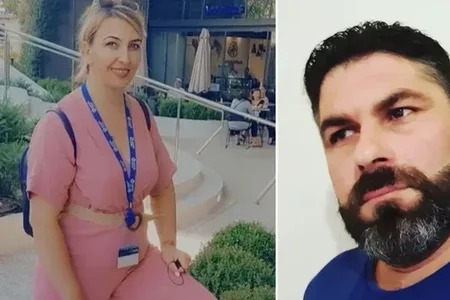
Turns out he was wrong. Because Kosta got really upset about that $20,000 and called the New York Times. That's how the investigation that ruined us began. He also called the local Albanian press and informed the Albanian journalists that the Albanian politicians were benefiting from our contract. A week or two later, he ended up dead under mysterious circumstances. It was on a dirt road somewhere in the middle of a field. There was no one around. And, inexplicably, he was run over by his car. They found him face down and the car about 30 feet away from him. If it was an accident, it was an unusual accident.
I believe that Albania has a long history of organized crime and that the latter is closely involved with the political system. I will never go to Albania. I say I'll stay away from that place, just to be safe.
I'm not worried anymore, because the events happened 18 years ago and many of the people involved ended up in prison in Albania. Delijorgji went to prison; Ylli Pinari, who managed the export, ended up in prison. The prime minister's son sued me for defamation. But the matter was not even taken into account.



Lini një Përgjigje