


 Shkruar nga Pamfleti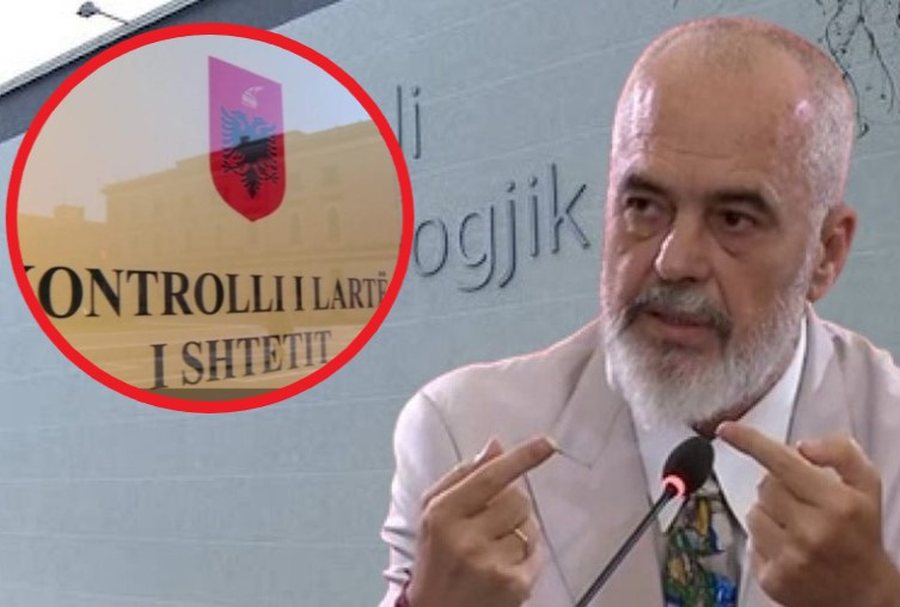
The report of the Supreme State Audit reveals chaos in the management of antitumor drugs, failed contracts, unjustified delays and a lack of transparency that put the lives of cancer patients at risk...
The Supreme State Audit Office has published an alarming report on the management of oncology drugs at the "Mother Teresa" University Hospital Center and other responsible structures, which reflects serious legal violations, unjustified delays and lack of control that have seriously jeopardized the treatment of patients.
The audit found that for the period 2021-2025, dozens of antitumor drugs were missing from the hospital, often for weeks, while stocks in electronic systems appeared manipulated or false. In some cases, expired drugs were kept in inventory, while in others, duplicate prescriptions and uses outside any protocol were found, raising suspicions of intentional abuse. The report speaks of about 49 cases where the shortages had no legal justification, but penalties against pharmaceutical operators were applied in only two cases.
The Albanian Supreme Audit Office (ALSO) raises the alarm that 46% of drugs authorized for sale in Albania have never been imported during the audit period, while for vital drugs such as Actinomycin D, used in the treatment of pediatric tumors, there is neither a contract nor a supply, leaving hundreds of patients at the mercy of fate. Even the tripartite contracts between FSDKSH, QSUNT and pharmaceutical importers result to be associated with delays, lack of documentation and non-implementation of penalties.
“ The situation poses an increased risk for oncology patients, creates a regulatory vacuum and exposes them to ineffective treatment or its interruption ,” the SAI report states. According to the document, there has also been a lack of serious planning on long-term needs, while the government has failed to exercise the monitoring mechanisms that are its responsibility by law.
The pamphlet has often reported on the oncology drug crisis, but this report by the Supreme State Audit confirms it with facts and documents: the Albanian healthcare system not only does not guarantee dignified treatment for cancer patients, but exposes them to the risk of death, while pharmaceutical importers and responsible institutions continue to operate with irresponsibility and abuse.
Excerpt from the HSE report
-From the review of 25 cases of approval of marketing authorization for antitumor drugs, it was found that the current procedure provided for in Article 12 of Law No. 105/2014 “On medicines and pharmaceutical services”, as amended, is long and inefficient. Delays hinder rapid institutional response in situations where urgent decision-making is required, especially for antitumor drugs. The current process creates a regulatory vacuum and limits the operational flexibility of the AKBPM, negatively affecting the timely supply of medicines to the market and increasing the risk for patients in urgent need of treatment.
-The audit resulted in a significant portion of the clinical practice protocols at the "Mother Teresa" University Hospital Center dating back to 2014, with a lack of systematic updating during this period, potentially negatively impacting the quality of patient treatment, potentially increasing the possibility of using less effective drugs and potentially reducing alternative treatment options.
-From the verifications carried out on 28.02.2025 at the Central Pharmacy and on 13.03.2025 at the Pharmaceutical Blocks, there was no result of checking the physical inventories and comparing them with the data in the system for drugs used in the treatment of tumor diseases, it was found that e.g. "Doxorubicin" 50 mg (2mg/ml) - vial, although the physical quantity was in accordance with the records in the system, the expiration date noted in the system did not match the one physically verified due to non-compliance with the FIFO principle.
-The audit of the functioning of the Cap Sector, a sector established in 2019 and responsible for the process of preparing oncological drugs, results in the absence of regulations/instructions on the preparation of drugs as a standard operating procedure or process map. Also, in the absence of updated official documentation (such as instructions, procedures or internal regulations), the current processes in the Cap Sector are mainly based on old internal practices. It is noted that the preparation/combination of cytostatic doses involves nurses from the relevant Services using the Cap Sector equipment, without pharmaceutical personnel who deliver the appropriate quantities of medications to the nursing staff for preparation, based on prescriptions, posing a risk to the good management of the process.
-From the audit conducted in the Caps Sector at the “Mother Teresa” University Hospital Center, it was found that this sector has only manual equipment and not specialized and automated equipment for the preparation, dosing and precise mixing of cytostatic drugs. Furthermore, the technical equipment of the sector has not been maintained or calibrated since the moment of their entry into the inventory. No physical/chemical or laboratory control is carried out on the preparations of doses of cytostatic drugs produced in the sector.
-Nga testimet e kryera mbi barna të kampionuara: Erlotinib, Carboplatin, Ifosfamide, Mesna, Trastuzumab Biosimilar ose Originator, Trastuzumab Emtasine, Methotrexate, Daratumumab, Cisplatin, Etoposide, Vincristine Sulphate, Irinotecan Hydrochloride Trihydrate, Gemcitabine, Doxorubicin dhe Cetuximab, janë evidentuar raste me sasi të shkarkuar më të ulët se sasia e kërkuar nga Shërbimet pranë Qendrës Spitalore Universitare “Nënë Tereza”. Nga sistemet rezultuan recetat të dublikuara gjatë ditës, mungesa shënimesh të plota dhe të qarta, shkarkime të gabuara të barnave në pacientë të tjerë, mungesa barnash nisur nga raporti sasi e kërkuar-sasi e shkarkuar, kërkesa të përsëritura dhe të paplotësuara edhe më shumë se 1 herë për të njëjtin pacient, periudha të zgjatura të mungesës së një bari, inventar i datës rezulton tjetër (diferenca në sasi gjendje progresive – inventar sistem), etj. Mungesa e barnave e kombinuar me mangësitë në shpërndarje në shërbimet spitalore nga testimet e kryera mbi barnat e kampionuara: Erlotinib, Carboplatin, Ifosfamide, Mesna, Trastuzumab Biosimilar ose Originator, Trastuzumab Emtasine, Methotrexate, Daratumumab, Cisplatin, Etoposide, Vincristine Sulphate, Irinotecan Hydrochloride Trihydrate, Gemcitabine dhe Doxorubicin, janë evidentuar raste me gjendje progresive në sistemin elektronik Pentaho, ndërkohë që inventari i datës rezulton zero (diferenca në sasi gjendje progresive – inventar sistem). Këto diferenca, pavarësisht se janë argumentuar si artificiale nga QSUNT, posedojnë riskun e paraqitjes jo të drejtë të të dhënave për përdoruesit e sistemit. Sa i takon barit Actinomycin D, nga verifikimet në sistem për periudhën 2022-2025, gjendja paraqitet 0 (zero) dhe nuk paraqiten kërkesa për këtë bar. Megjithatë, pavarësisht kësaj, në 5 prej recetave të analizuara në mënyrë analitike ku është kërkuar bari Mesna rezulton të jetë kërkuar dhe bari Actinomycin D, duke sjellë mospërputhje mes kërkesave analitike dhe sintetike në sistem.
-Evidentohen se 19 flakonë Ifosfamide 1 g dhe 602 flakonë Methotrexate në dy formëdoza: Solution for injection and infusion x 500 mg (në 10 ml ose 20 ml) me 372 flakonë dhe Solution for injection x 50 mg / 2 ml me 230 flakonë, pavarësisht se kanë skaduar rezultojnë ende në sistemin Pentaho duke paraqitur risk për mbajtjen e stoqeve të skaduara në sistem dhe duke rritur artificialisht gjendjen e barnave në sistem, pavarësisht përcaktimeve të nenit 4 të kontratave të furnizimit.
-Nga auditimi u konstatua se në Rregulloren e Brendshme të Qendrës Spitalore Universitare “Nënë Tereza” nuk ka ndonjë seksion të veçantë për procesin e ndjekur në planifikimin e nevojave 24 mujore për barna, apo ndonjë metodologji/udhëzim mbi procesin dhe kriteret e ndjekura.
-Nga shqyrtimi i dokumentacionit të paraqitur dhe shkresave të dërguara nga Drejtoria e Shërbimit Farmaceutik të QSUNT konstatohet vonesa të cilat shfaqen më shpesh në periudhat kur përfundon Marrëveshja Kontraktuale (MK) ekzistuese dhe nuk është lidhur ende një e re, duke krijuar periudha të pambuluara në furnizim dhe rritje të situatave emergjente.
-Nga auditimi i masave të marra për sigurinë e barit Daratumumab 400 mg (i cili konsiderohet pa zëvendësues), edhe pse u rilidh kontrata e vitit 2025 për barin në sasinë totale 4,000 flakonë, sërish janë evidentuar mangësi në planifikim, bashkërendim dhe përcaktimin e kushteve të kontratës, së bashku me mekanizma të dobët të kontrollit, duke ndikuar në periudha të pambuluara me medikamente; situatë e cila mund të përsëritet potencialisht edhe me medikamente të tjera nëse nuk merren masa në kohë.
-Nga auditimi i shpenzimeve buxhetore për blerje mallrash dhe shërbimesh, për programin 07330 “Shërbimi i kujdesit spitalor dytësor” bazuar në dokumentacionet e shqyrtuara dhe korrespondencat zyrtare të vetë institucioneve, buxheti i akorduar për sektorin shëndetësor (përkatësisht për barna) rezulton i nënfinancuar, çka sjell riskun e mungesës së barnave e për pasojë dhe vijimin e terapisë në përputhje me protokollet e trajtimit të sëmundjeve.
-Nga auditimi i kontratave të furnizimit mes QSUNT-së dhe operatorëve ekonomikë, u konstatua fenomeni i mangësive në monitorimin e zbatimit të kontratës nga strukturat përkatëse të ngarkuara me këtë detyrë, pasi vonesat në furnizime nuk janë evidentuar në zbatimin e kontratës dhe rrjedhimisht nuk janë raportuar pranë APP-së apo pranë MSHMS si organi qendror blerës, në kundërshtim me përcaktimet e VKM nr. 285, datë 19.05.2021, e ndryshuar. Për më tepër, mosvendosja e penaliteteve përbën risk të shtuar për t’i konsideruar dhe trajtuar furnizorët si operatorë të suksesshëm në zbatimin e kontratave të lidhura.
-Nga auditimi i kërkesave të Farmacisë së Rimbursimit, pranë Qendrës Spitalore Universitare “Nënë Tereza”, për periudhën 2021-2024, u konstatua se në 49 raste ka pasur Vonese të pajustifikuara në furnizimin me barna antitumorale nga ana e importuesve farmaceutikë. Këto vonesa nuk janë shoqëruar me dokumentacion justifikues, në kundërshtim me nenin 6, pika 3 dhe 5, të kontratës trepalëshe, midis FSDKSH-së, QSUNT-së dhe Importuesve Farmaceutikë.
-Nga kryqëzimi i të dhënave midis kontratave trepalëshe dhe LBR-së për vitin 2024, u konstatua se për 39 barna antitumorale mungojnë kontratat ndërmjet FSDKSH-së dhe importuesve farmaceutikë. Si rrjedhojë, këto barna nuk janë siguruar për përdorim në sistemin shëndetësor publik, në kundërshtim me nenet 10 dhe 29, pika 3 të Ligjit nr. 105/2014, i ndryshuar dhe përcaktimet e Rregullores nr. 2 “Për organizimin, funksionimin dhe përshkrimet e punës për Drejtorinë e Përgjithshme të Fondit”.
-Nga Sektori i Inspektimit i AKBPM dhe gjatë periudhës 2022-2024, nuk është kryer asnjë inspektim në farmaci të rrjetit të mbyllur (spitalore), në kundërshtim me kërkesat e nenit 61, të Ligjit nr. 105/2014, i ndryshuar; nenit 3, germa “h” të Rregullores së funksionimit të AKBPM-së; nenit 1, pika 3, të Urdhrit nr. 660, datë 20.09.2018, “Për miratimin e Rregullores mbi Praktikat e Ruajtjes dhe Shpërndarjes së Mirë të Barnave”.
-Nga auditimi u konstatua se Laboratori i Kontrollit në AKBPM, nuk ka kryer analiza laboratorike për barnat antitumorale të dorëzuara për autorizim tregtimi gjatë viteve 2021, 2023 dhe 2024, përveç 8 analizave të evidentuara në vitin 2023, në kundërshtim me nenin 10 (ç) të Rregullores së Brendshme të Agjencisë. Për këtë periudhë, mungojnë gjithashtu procedura të standardizuara pune, afate të përcaktuara për realizimin e analizave dhe metodologji për përzgjedhjen e mostrave për kontroll.
-Nga të dhënat e vëna në dispozicion nga Sektori i Shpërndarjes mbi importin e barnave, rezultoi se nga 253 barna antitumorale të autorizuara për tregtim në Republikën e Shqipërisë, 116 prej tyre ose në masën 46%, nuk janë importuar asnjëherë gjatë periudhës së auditimit, janar 2021 – mars 2025, në kundërshtim me nenin 16, pika 6 dhe neni 32, pika 1 e Ligjit nr. 105/2014.
-Nga auditimi i korrespondencave mes Qendrës Spitalore Universitare “Nënë Tereza” dhe Ministrisë së Shëndetësisë dhe Mbrojtjes Sociale, mangësitë e evidentuara, shpjegimet dhe urdhra nga subjektet e audituara, rezulton se nga ana e Ministrisë nuk janë ekzauar në mënyrë shteruese mekanizmat monitorues ndaj QSUNT-së në kuadër të të gjithë procesit të sigurimit të barnave në trajtimin e sëmundjeve tumorale, referuar ligjit nr. 10107, datë 30.03.2009, ligjit nr. 90/2012 dhe VKM nr. 609, datë 20.10.2021.
-Nga auditimi i kryer mbi menaxhimin dhe disponueshmërinë e medikamentit Actinomycin D 0.5 mg në Qendrën Spitalore Universitare “Nënë Tereza” i cili nuk rezulton të ketë një kontratë apo autorizim tregtimi, evidentohen mungesa e marrjes së masave për sigurimin e barit Actinomycin D dhe barnave të ngjashme, e cila pamundëson trajtimin e pacientëve, duke cenuar parimin e mbrojtjes së interesit publik dhe të drejtës për kujdes shëndetësor të bazuar në Kushtetutën e Republikës së Shqipërisë, neni 55. Përmes mekanizmave shtetërorë, shteti i lind detyra dhe e drejta për të siguruar medikamente e protokolleve të trajtimit të sëmundjeve me qëllim mbrojtjen e interesit publik.
-Për periudhën objekt auditimi, bari Actinomycin D 0.5 mg është siguruar pjesërisht. Në gjykimin e grupit të auditimit, sigurimi në këto mënyra nuk ofron siguri të plotë për mënyrën e ruajtjes së këtij medikamenti dhe rrjedhimisht edhe të efektit të tij. Në kushte kur për marrjen në dorëzim të barit nuk është evidentuar procedura, ka qenë e pamundur të verifikohet fizikisht sasia e mbetur e barit duke qenë se nuk është bërë hyrje në inventar.
-From the audit regarding the drug Pertuzumab + Trastuzumab in the dosage forms 1200 mg + 600 mg, 15 ml and 600 mg + 600 mg – 10 ml, cases are identified where the situation has been 0 for a period longer than 1 week, or the previous low quantity has remained unchanged for at least one week before the supply, indicating drug shortages or minimally low quantities which endanger the treatment of patients. Referring to the tests carried out, also in the case of the drug Phesgo in both dosage forms, cases of duplicate prescriptions and confusion between patients have been identified.
-There have also been cases of use/discharge of the drug Trastuzumab (“Herceptin”) in cases where Pertuzumab + Trastuzumab (“Phesgo”) was requested in the prescription. It turns out that there is no clear definition/division in the official breast cancer treatment protocol regarding the degree of effectiveness of one drug compared to the other, however, in letter no. 900/7 prot., dated 15.06.2023 sent by the Oncology PAI to the Pharmaceutical Service, the effectiveness of this drug compared to other medications is cited.
-From the audit on the measures taken by the responsible structures of FSDKSH, it was found that in 49 cases of delays in the supply of antitumor drugs by pharmaceutical importers, unjustified by accompanying documentation, the Control Directorate has taken measures in only two cases. The Pharmaceutical Warehouse Control Sector has not implemented a regular and functional monitoring mechanism, acting selectively and outside an approved control plan. For the audited cases, the penalties that should have been applied are of a total value of 49,000,000 lek for 49 entities according to annex 2.3. / Pamphlet


Ja ku i ka gati SPAK hetimet. Pse nuk vepron kurre me raportet e KLSH ?
Prandaj doli ne pension Silva Celiku se eshte per ndjekje penale