


 Shkruar nga Pamfleti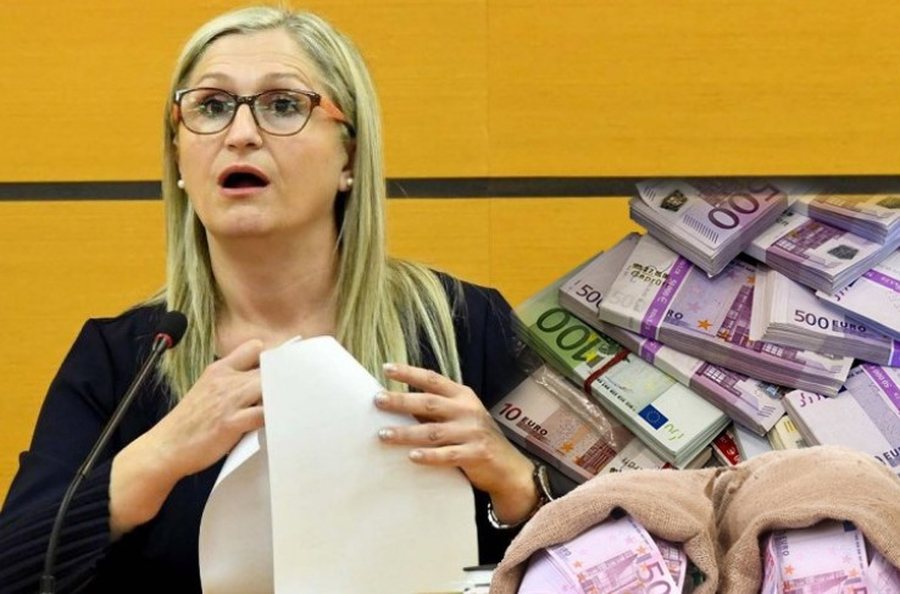
Even more worrying is the fact that, instead of being minimally investigated for concealing income and falsely declaring assets, Gentiana Bungo is being promoted by becoming a candidate for the Constitutional Court.
When the Justice Reform was announced, citizens were told that for the first time there would be a “moral cleansing” of the judicial elite. Hope was raised in society that a new generation of judges and prosecutors would finally emerge, selected based on integrity and transparency. But, after several years of the process, the question increasingly arises: who controls the controllers? Who guarantees citizens that the very commissioners who hold the fate of judges and prosecutors in their hands are an example of the honesty they preach?
One of the most talked-about names is Genta Bungo Tafa, a member of the Independent Qualification Commission and currently a candidate for the Constitutional Court. On the surface, she appears as a career legal professional, former bailiff and lecturer, voted by the Assembly to be part of the most important filter of the transition. But behind the scenes, a series of data, documents and media reports cast strong shadows of doubt on her wealth and integrity.
From financial sources and investigative publications, it appears that Genta Bungo Tafa had a bank account of around 100 million old lek, a figure that is strikingly disproportionate to the declared income. Furthermore, the bank documents also show a deposit of 10 million new lek opened with her late husband, for which detailed explanations on the origin are lacking.
At a time when dozens of judges and prosecutors were removed by Vetting for lack of clear sources for much smaller amounts, the fact that a commissioner of this process has such unexplained assets creates a major moral and institutional contradiction.
Another controversial element is related to her private activity. In 2013, Bungo Tafa founded an enforcement office together with another partner, in which she owned 50% of the capital. Four years later, in July 2017, she resigned as administrator and sold her shares, at a moment that coincided precisely with her election by Parliament as a commissioner in the KPK.
This rapid move raises legitimate questions: was the resignation a sincere act of transparency, or a maneuver to avoid conflict of interest and hide connections to the income derived from this activity? Why have not all the figures for the profits made in this period been made public?
Nëse gjyqtarë e prokurorë janë përmbysur nga Vettingu për mungesë transparence mbi një apartament, një makinë apo një llogari të vogël bankare, si mund të ketë besueshmëri procesi kur një nga vetë komisionerët mban mbi vete hije dyshimi shumë herë më të mëdha? A është kjo një shenjë se procesi është selektiv, i ashpër me “të vegjlit” dhe i butë me ata që mbajnë postet më të larta?
Këtu fshihet një paradoks i madh, ata që u ulën në karrigen e KPK-së për të “shkulur” korrupsionin nga rrënjët, përballen vetë me pyetje të ngjashme me ata që po gjykojnë. Dhe kjo e bën opinionin publik të mos ketë më besim as te reforma, as te institucionet që e zbatojnë atë.
E gjithë kjo histori bëhet akoma më e rëndë në momentin kur Genta Bungo Tafa paraqitet si kandidate për Gjykatën Kushtetuese, institucioni më i lartë i kontrollit të ligjshmërisë dhe garancisë së shtetit të së drejtës.
Pyetja është e thjeshtë, a mund të ulet në Gjykatën Kushtetuese një funksionare mbi të cilën rëndojnë dyshime të forta për pasuri të pajustifikuara? A është kjo figura që duhet të përfaqësojë moralin dhe standardin e ligjit në Shqipëri? Apo kemi të bëjmë thjesht me një tjetër shembull tranzicioni, ku “sheikët” e drejtësisë vetëm ndërruan pozicione, por jo mentalitetin?
Reforma në Drejtësi ishte premtuar si një kapitull i ri për Shqipërinë, por rrezikon të kthehet në farsë nëse në krye të institucioneve të saj ngjiten njerëz që nuk garantojnë integritetin e kërkuar. Nëse pasuria e komisionerëve mbetet e pashpjeguar dhe hetimet mungojnë, atëherë procesi i Vettingut humbet kuptimin.
Sepse një gjë është e qartë, publiku shqiptar nuk ka nevojë për retorikë dhe fasadë, por për shembuj realë të pastërtisë dhe ndershmërisë. Dhe në këtë pikë, kandidatura e Genta Bungo Tafës mbetet më shumë një dilemë morale sesa një garanci për shtetin e së drejtës.
Në një kohë kur dhjetëra gjyqtarë e prokurorë u rrëzuan nga Vettingu për mungesë burimesh të qarta për shuma shumë më të vogla, fakti që një komisionere e këtij procesi ka pasuri të tilla të pashpjeguara, krijon një kontradiktë të madhe morale dhe institucionale.
Kjo lëvizje e shpejtë ngre pyetje legjitime, a ishte dorëheqja një akt i sinqertë transparence, apo një manovër për të shmangur konfliktin e interesit dhe për të fshehur lidhjet me të ardhurat e përfituara nga ky aktivitet? Pse nuk janë bërë publike të gjitha shifrat e fitimeve të realizuara në këtë periudhë?
Këtu fshihet një paradoks i madh, ata që u ulën në karrigen e KPK-së për të “shkulur” korrupsionin nga rrënjët, përballen vetë me pyetje të ngjashme me ata që po gjykojnë. Dhe kjo e bën opinionin publik të mos ketë më besim as te reforma, as te institucionet që e zbatojnë atë.
E gjithë kjo histori bëhet akoma më e rëndë në momentin kur Genta Bungo Tafa paraqitet si kandidate për Gjykatën Kushtetuese, institucioni më i lartë i kontrollit të ligjshmërisë dhe garancisë së shtetit të së drejtës.
“Mbi Gentiana Bungon rëndojnë jo vetëm hije dyshimi, por edhe indicie korrupsioni, pasi praktika e saj si anëtare e KPK-së ka lënë gjurmë të forta në opinion. Një nga rastet më të diskutuara është vendimi i dhënë kundër Ramadan Trocit, pikërisht në ditën e varrimit të bashkëshortit të saj, çka për shumëkënd nuk ishte një akt profesional, por një shenjë hakmarrjeje të hapur.
This action not only raises deep doubts about her personal motives, but also leaves room to believe that corrupt interests may be hidden behind this decision, seriously undermining the integrity of the vetting process."
Beyond the emotional element of revenge related to the particular circumstances of the day the decision was made, the possibility of other influences of a corrupt nature cannot be ruled out. The very fact that a KPK judge, who should have embodied the highest standards of impartiality and integrity, made such an important decision at a highly inopportune moment raises serious doubts about her motives.
In public opinion, this has been read not only as a possible act of revenge, but also as an indication that the vetting system, instead of being cleansed of corruption, risks being infected by it. If decision-making is influenced by personal emotions or by financial and political interests, then the process loses its meaning and turns into a farce that damages citizens' trust in the new justice system. We will write about this case below.
Even more worrying is the fact that, instead of being minimally investigated for concealing income and falsely declaring assets, Gentiana Bungo is being promoted by becoming a candidate for the Constitutional Court.
This development is not only ironic, but also alarming for the standards of justice in Albania, as it shows that individuals who are subject to serious doubts about their financial and moral integrity not only do not face accountability, but are also elevated to high constitutional positions, questioning public trust in the justice system./ In-Front.org






Lini një Përgjigje