


 Shkruar nga Pamfleti
By the end of next week, non-EU citizens will have to scan their passports, provide fingerprints and have their photos taken to enter most European countries.
The new EU entry-exit scheme, known as the EES, is being introduced to replace passport stamping for all non-EU citizens.
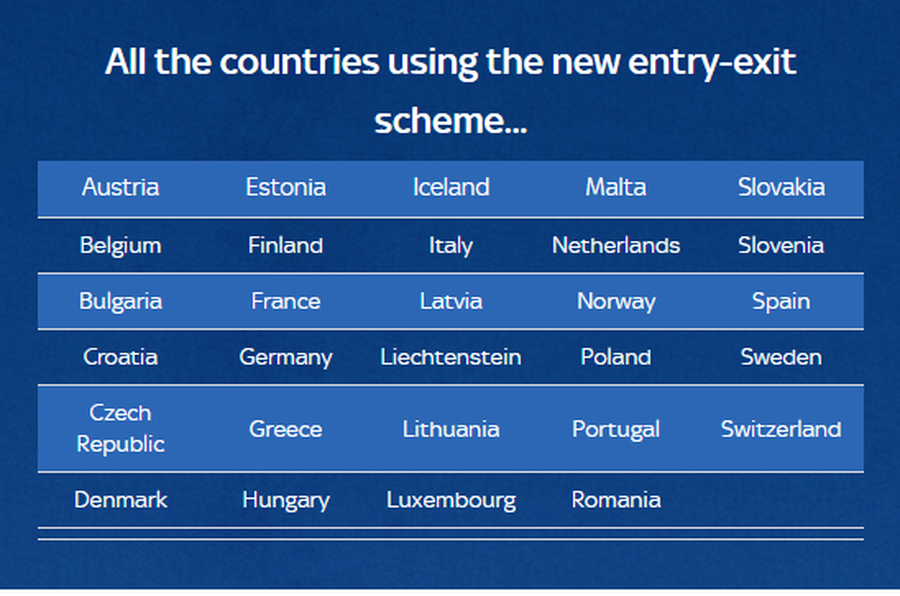
The new rules will apply in the Schengen area, which includes 29 countries, but not Ireland or Cyprus.
EU countries will start introducing the EES System for non-EU citizens traveling for a short stay.
This new procedure will require visitors to register at the border by scanning their passport and performing "biometric checks," that is, giving fingerprints and having their photo taken.
This will usually be done at an automatic kiosk or by a border officer.
Once you have completed this registration process in a country, you will only need to scan your passport and provide fingerprints or a photograph to enter or exit any of the listed countries.
Children under 12 years old will not have their fingerprints taken, but will be photographed according to the new rules.
What happens to your data?
The European Commission says that the data collected when you use the EES are:
Information listed on your travel document(s) (e.g. full name, date of birth, etc.)
Date and place of each entry and exit
Facial image and fingerprints
If you are denied entry
This data will be stored in the system and cannot be transferred to third parties, except in specific cases.
Your data will be used by countries for several reasons, including identifying travelers who are not allowed to enter, finding those using false identities, and helping to prevent and investigate serious crimes.
If you refuse to provide your biometric data, you will be denied entry.








Lini një Përgjigje