


 Shkruar nga Pamfleti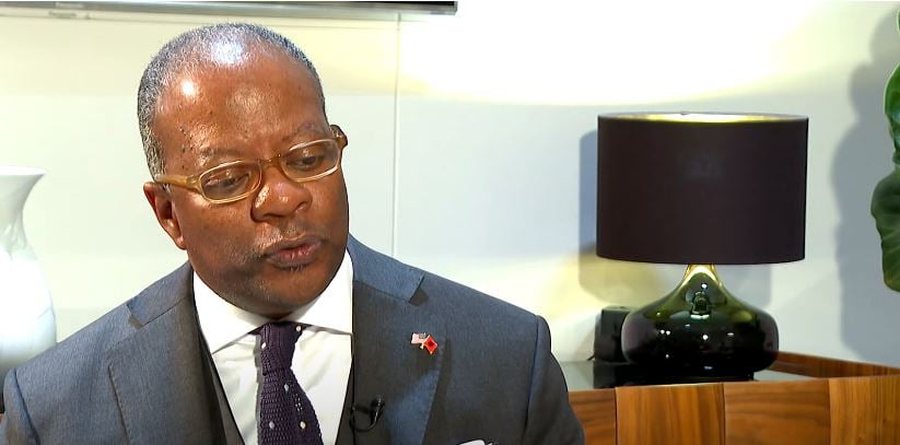
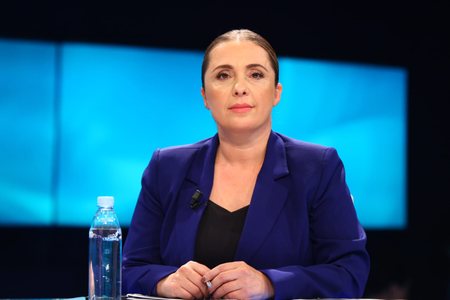
In an exclusive interview for Anila Hoxha, broadcast this evening on "Top Story", Assistant Secretary of State for Narcotics and Law Enforcement Todd D. Robinson, among other things, stopped at the attack on organized crime in our country.
During the interview, he said that during a recent visit to Peru and Ecuador, he noticed the presence of Albanian criminal networks in Latin America. He also added that the cooperation they have had from the Albanian institutions, "the police and the prosecutors, and although this relationship has just started, it has started positively".
Asked if Albania is one of the gateways for cocaine in Europe, he answered "yes".
"The short answer is yes. But the most complicated answer is that, of course, Albania is not the only entry point for Europe for all this", he said.
Anila Hoxha: With the new judicial reform institutions, can we say with full guarantee that the end of impunity has begun?
Todd D. Robinson: It's a tricky question. I don't think you can succeed in ending impunity. But the point is to make sure that for this impunity, there is a price to be paid. And we want to help these institutions that are working in this fight against impunity and corruption. We want to make sure that they have the capacity, that they have the strength, and that they have the energy, and we want them to be engaged in this fight. Ordinary Albanians, Albanian citizens deserve this from their institutions. And they demand, it is clear that they want this because all these institutions have great public support from Albanian citizens. And as long as they show their support, we know we're doing the right thing and we'll continue to work toward those goals.
Anila Hoxha: At different times, members of international criminal groups in the field of drug trafficking have been hit and charged. How present is DEA in Albania and what is the assessment of Albanian law enforcement institutions?
Todd D. Robinson: They are participating in investigations around the world. And we think that's a good thing. I had the privilege of traveling to Peru and Ecuador recently and there they noticed the presence of Albanian criminal networks in Latin America, but they also noticed the cooperation they had from Albanian institutions, police and prosecutors, and although this relationship has just started, it has started positively. And I think that the Albanian institutions are showing the capacity to carry out these complex investigations and are able to do so because of the excellent cooperation between their partners in the United States and their partners in the European Union.
Anila Hoxha: Here in Albania, the Drug Enforcement Agency (DEA) has established two contacts - on WhatsApp and an email address - for anyone who can inform about drug and money laundering issues. Why was this direct contact with citizens established? Why did you ask for information directly from them?
Todd D. Robinson: The role of citizens in the fight against corruption and impunity is at the forefront. It is everyone's responsibility to join this fight. The responsibility of the government is great, but Albanian citizens also play their role. They are the ones who are most affected by this impunity, by this corruption, and they should have a place to go and tell somebody what's going on and report what's wrong and expect government institutions to do their part theirs and their duty to follow these up and carry out the investigations necessary to bring those responsible to justice.
Anila Hoxha: Based on the information you have, have Albanian citizens been willing to provide important information about drug trafficking and the laundering of drug money?
Todd D. Robinson: As far as I understand, the system is working very well, the Albanians are actually playing their part and the Albanian institutions welcome this information.
Anila Hoxha: Can we say that these two contact points to inform and be in contact with the DEA were established precisely because of the increased presence of Albanian groups in Latin America?
Todd D. Robinson: Absolutisht. Ajo që kemi parë është se këto rrjete kriminale ndërkombëtare shqiptare, meksikane, kolumbiane, nuk respektojnë kufij. Janë institucione globale. Keni praninë e rrjeteve kriminale shqiptare në Amerikën Latine, keni praninë e rrjeteve kriminale meksikane dhe kolumbiane në Europë dhe Azi. Ajo që është e qartë është se në shumë mënyra, ata punojnë bashkë për ta vazhduar veprimtarinë e tyre të jashtëligjshme. Dhe bashkësia ndërkombëtare duhet të punojë më mirë për të bashkëpunuar përtej kufijve, duke respektuar kufijtë e njëri-tjetrit, por përtej kufijve me shkëmbim informacioni dhe duke ndihmuar me operacionet. Nëse nuk e bëjnë, fitojnë kriminelët. Dhe nëse e bëjnë, atëherë bëjmë shumë përparim drejt heqjes së atyre fitimeve nga duart e këtyre rrjeteve kriminale, fitime që lejojnë korrupsionin, fitime që lejojnë pandëshkueshmërinë. Nëse mund t’ua heqim nga duart këtë, do kemi bërë shumë përparim drejt ndalimit të korrupsionit dhe pandëshkueshmërisë që na prek të gjithëve.
Anila Hoxha: Raporti i Shteteve të Bashkuara për Kontrollin e Narkotrafikut i vitit 2023 evidentoi se Shqipëria vazhdon të jetë burim kanabisi dhe vend kyç tranziti për grupet e krimit të organizuar që lëvizin narkotikët në tregjet europiane? A është Shqipëria një nga portat hyrëse të kokainës në Europë?
Todd D. Robinson: Absolutisht. Përgjigja e shkurtër është që po. Por përgjigja më e ndërlikuar është se sigurisht, Shqipëria nuk është e vetmja pikë hyrëse për Europën për të gjitha këto. E shohim në të gjitha portet, kudo në Europë, shohim narkotikë që shkojnë nga Amerika Latine në porte të ndryshme në Europë; shohim kimikatet bazë që vijnë nga Kina nëpër portet e Europës, në Shtetet e Bashkuara dhe në Meksikë. E përsëris, kjo është një sfidë globale. Shqipëria kohët e fundit iu bashkua Koalicionit Global Kundër Drogave Sintetike. Ky është një problem global dhe asnjë vend nuk merret dot me të i vetëm. Duhet të punojmë së bashku si bashkësi ndërkombëtare, duhet të rrisim rrjetin tonë global, ashtu si kriminelët e organizuar e ndërkombëtarë kanë zgjeruar rrjetin e tyre, edhe ne duhet të tregohemi më të zgjuar, duhet të jemi më efiçentë, duhet të bashkëpunojmë më mirë përtej kufijve. Ky është qëllimi. Deri tani, institucionet shqiptare kanë qenë partnerë të shkëlqyer për këtë. Dhe presim që kjo të vazhdojë në të ardhmen.
Anila Hoxha: Pse është i vështirë hetimi i parave që vijnë nga droga dhe cili është sugjerimi, cila është zgjidhja që autoritetet ligjzbatuese në Shqipëri të jenë efiçente për të goditur pastrimin e parave?
Todd D. Robinson: Këto janë hetime të ndërlikuara, komplekse që ndodhin, siç e përmendëm, janë rrjete globale. Ato lëvizin para në shumë mënyra, përmes sistemit banker tradicional, por edhe sistemeve bankare kibernetike, sistemeve bankare online, po gjejnë gjithnjë e më shumë mënyra novatore për të fshehur paratë e tyre. Kjo nuk është diçka e lehtë. Dhe prandaj Bashkimi Europian, bashkësia ndërkombëtare, agjencitë nga Shtetet e Bashkuara punojnë kaq ngushtë me partnerët tanë në Shqipëri, duke iu dhënë atyre kapacitetet për t’i bërë këto. Po bëjnë një punë të shkëlqyer tani, por ka shumë më tepër për të bërë. Mund të ndihmojmë me ndërtim kapacitetesh, mund të ndihmojmë me shkëmbim informacioni, mund të ndihmojmë me kontakte në vende të tjera kudo në botë. Po i bëjmë të gjitha këto për t’iu dhënë të gjitha institucioneve shqiptare mjetet që iu duhen për ta luftuar këtë pandëshkueshmëri, këtë korrupsion, këtë kriminalitet global.
Anila Hoxha: Shtetet e Bashkuara të Amerikës e kanë mbështetur në mënyrë të pandërprerë drejtësinë shqiptare dhe institucionet e drejtësisë që të jenë sa më efiçente. A janë këto institucione me të njëjtat kapacitete si aleatët dhe ndërkombëtarët për të marrë pjesë me ta në operacione ndërkombëtare?
Todd D. Robinson: Mendoj se përgjigja e shkurtër është po, ata kanë disa kapacitete. Por kjo është një punë në vazhdimësi dhe kapaciteti i tyre rritet me kohën. Arsyeja pse ne jemi këtu, arsyeja pse Departamenti i Drejtësisë dhe FBI dhe DEA janë këtu është për të bërë pikërisht këtë, për të ndihmuar në ndërtimin e kapaciteteve në mënyrë që roli i këtyre institucioneve të drejtësisë të mund të vazhdojë të rritet. Dhe e dini, do ju kujtoj se kur isha këtu në vitin 2024, në 2006, ne kishim biseda të ngjashme nëse Shqipëria kishte kapacitetin për të bërë x, y, apo z, për t’iu bashkuar NATO-s. Dhe tani ata janë një partner i fortë i NATO-s. Dhe askush nuk e mendonte këtë në 2004-2006. Ata kanë bërë shumë punë. Por ka shumë më shumë punë për të bërë. Dhe mendoj se shqiptarët, ajo çka qytetarët shqiptarë duhet të dinë, është se për sa kohë institucionet e Shqipërisë, institucionet e drejtësisë, institucionet kundër korrupsionit, për sa kohë që ata kanë vullnet të luftojnë kundër korrupsionit dhe pandëshkueshmërisë, ata do gjejnë një partner të fortë te Shtetet e Bashkuara që ka vullnetin t’i shoqërojë ata në atë betejë.
Anila Hoxha: Sa herë që në Shqipëri bllokohen ngarkesa me kokainë, media në Shqipëri raportojnë shkurtimisht duke iu vendosur epitete individëve si baron i drogës, Eskobari i Ballkanit, e kështu me radhë. A ka individë dhe shtetas shqiptarë të cilët kryejnë aktivitetin dhe janë të këtyre përmasave në fushën e narkotrafikut në Shqipëri apo edhe në vendet e Amerikës Latine, të cilët po gjurmohen apo që janë personazhe shumë të dyshuar?
Todd D. Robinson: I would say that international Albanian organized criminals are all over the world. They have found large criminal networks to cooperate with. And they are actively trying to undermine our countries, our justice systems. They are corrupting institutions and profiting greatly from their criminal activity. As I said before, it is important that we do everything we can to give the Albanian institutions the tools to go after those criminal groups that operate here in Albania, those that operate in other European countries and those that are starting to operate in other parts of the world. As long as they continue their activity, the international community, our governments, we have the obligation to do everything we can to fight them. Big or small, it doesn't matter, we must do what we can to fight these networks.
Anila Hoxha: You were in a meeting with the Chief Prosecutor of SPAK and - to return again to the announcements from the Embassy about the meetings with the people of justice - I understood that your main message was that you had conveyed a message of courage and bravery to the people of justice who are investigating and announce decisions. Can you share with us some of the advice or messages you gave to SPAK special prosecutors during these meetings?
Todd D. Robinson: As I said before, we want them to know they have our support. We understand their needs and what they want to get from working with us. We want them to understand that we know it is not easy and there is still a lot of work to be done. But, in conclusion, the message is: if they are willing to do the hard work, we are here to help them. And it's not just SPAK, it's all independent agencies. It is the judicial system. It's the prison system. You know, we want to work with the ministries, we want to work with the executive. We don't want to exclude anyone. We want to be in an inclusive relationship so that everyone, from the ordinary citizens you mentioned earlier, to ministries and independent institutions, institutions of justice, we want everyone to work together now and into the future. We think that, you know, we want to thank these institutions for their work in the past, what they are doing now, but more importantly, what they will do in the future, to make Albania a better partner , to make Europe a better partner, and finally, to make our global alliance stronger against these international organized criminals.



Lini një Përgjigje