


 Shkruar nga Pamfleti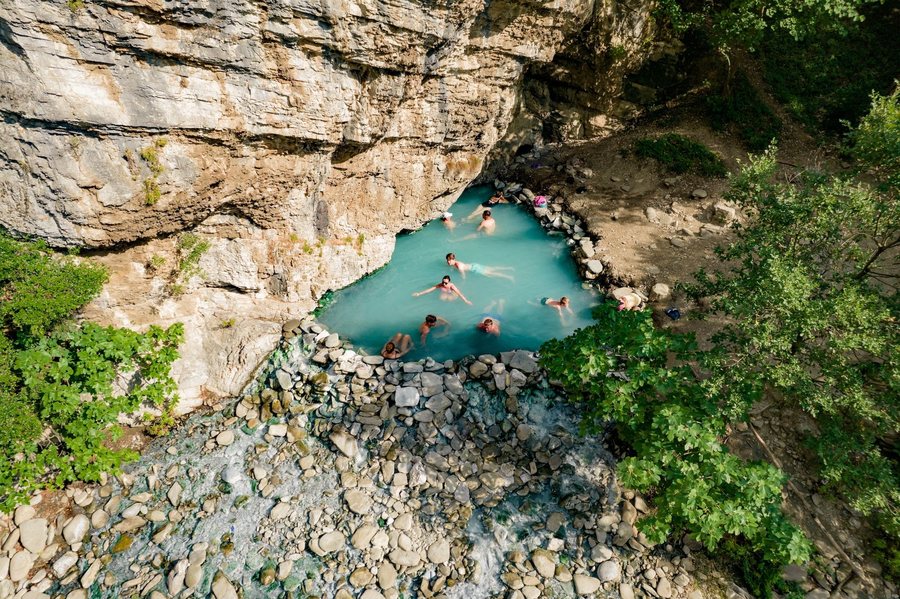
The rapid growth of tourism has brought economic development and more visitors, but it is putting pressure on the landscape, identity and authenticity of some of the country's most popular destinations...
The first time I visited Albania was in 2008. At that time, many roads were still worn and often unpaved, and the journey was more of an exploratory one. Amenities were few. You could freely enter the frescoed churches, while the thermal springs of Bënja remained a secret known only to a few people. The most interesting places did not immediately appear to the visitor; you had to look for them yourself. Albania was not a lost paradise. It was a poorer, more fragile country with more infrastructure problems, but one that surprised you with unexpected discoveries.
Today, tourism has grown significantly and has brought with it the idea that every destination should be made immediately accessible and usable to the fullest. The Albanian Riviera is the most obvious example. Coastal areas that once attracted attention for their wild beauty, from Palasa in Dhërmi to Drymades and further south, have entered a process of commercialization of the landscape.
The problem lies not in the growing number of tourists, but in the development model that has been chosen to accommodate them. Increasing construction, urban pressure, services that do not match the sensitivity of the environment, and the gradual standardization of the tourist experience constitute the main concerns.
However, the debate is not limited to the coast. Even historic cities like Berat and Gjirokastra are facing the consequences of tourist overload. In these cases, it is not about open concreting, as in coastal areas, but about a process that, according to the author, softens the original character of the places.
Historic centers are being restored and maintained, which is positive in itself, but often with the aim of making them more attractive to visitors. In some cases, it seems more like a process of “beautification” than authentic preservation of heritage. New shopping spaces resemble each other, menus are tailored to tourists' tastes, while shops focus mainly on souvenirs. The beauty remains, but the element of surprise that once characterized these places is becoming increasingly rare.
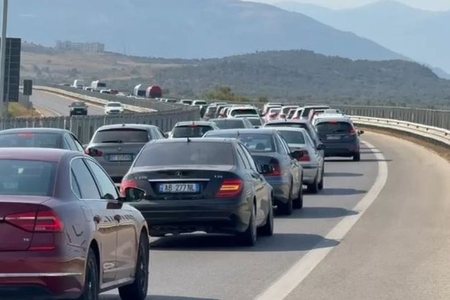
The way social media portrays tourist destinations also remains problematic. Photos are posted from carefully selected angles, leaving out the less attractive elements. The crystal clear waters of a destination are shown, but not the parking lots filled with vehicles. A traditional stone house is promoted, but not the density of commercial activities that surround it.
The author emphasizes that he does not seek a return to the difficult Albania of the past just for the sake of nostalgia. However, he raises the question of whether transforming places that require protection, such as the thermal springs of Benja or certain segments of the coast, into spaces that promise every kind of comfort is the only way to attract tourists.
According to him, this approach may bring quick results in terms of visitor numbers, but in the long run it risks eroding the identity that has made Albania a special destination. Finally, the author uses a provocative comparison: would it be acceptable to build a go-kart track next to the Colosseum? /Adapted from LonelyPlanet/




Lonely Planet ne fakt qe nga emri ka te beje me turiste qe duan te shkojne ne vende qe nuk shkelin shume te tjere. Turiste te lire me canta shpine te rinj qe udhetojne me buxhete te uleta. Ata jane te paret ne destinacione pak te rrahura dhe ndihmojne ne zbulimin e tyre. Por nuk ka asnje destinacion ne bote qe te qendroje i paprekur sepse keshtubduan turiatat qe vijne me canta shpine e buke me vehte. Keshtuqe artikulli me duket shume i percipte. Per nje gje jemi te gjithe te ndergjegjshem e ska nevoje te na e mesoje autori: Qe komercializimi duhet te behet me maturi dhe i qendrueshem qe ti shtoje vlere destinacionit ne vend qe t'ja ule ate.
Këti bëhet fjalë për katastrofë njerëzore kombëtare....ju thoni ambienti....