


 Shkruar nga Pamfleti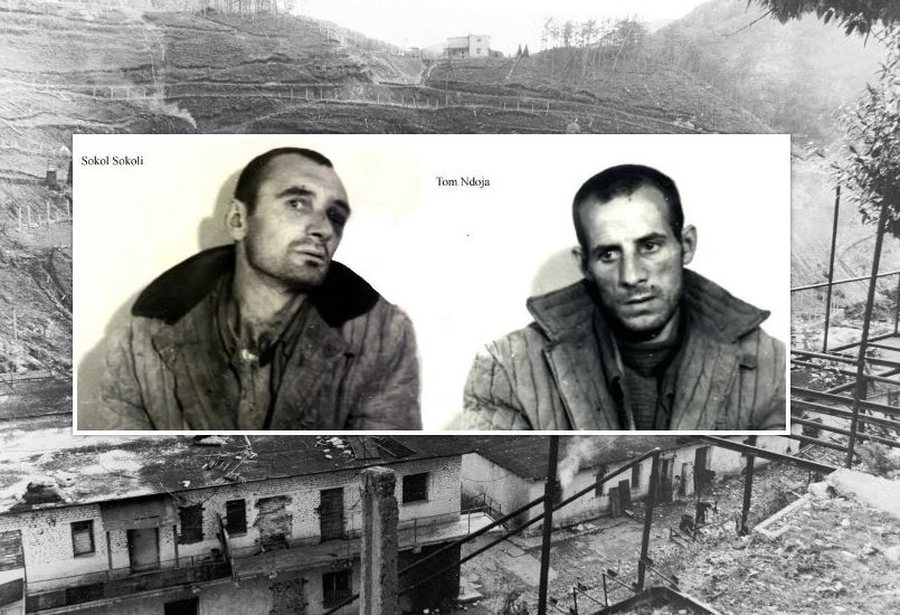
The National Historical Museum remembered the Qafë Bari revolt yesterday. There were 500 political prisoners sentenced to over 25 years in prison in Qafe Bari prison, and as a result of the bad conditions and violence, the prisoners broke out in revolt on May 22, 1984.
Qafe Bari prison was located 18 km from the city of Puka. It was morning and the prisoners were grouped in the square refusing to go to work until their demands were met. Further in the chorus, from inside the enclosure came the call: Down with communism! Down with the dictatorship! Down with the dictator! The entire camp was surrounded by military forces from Tirana.
Hundreds of armed forces received the order to fire on the prisoners. Violence was used on the convicts, such as Hajredin Fratari, Dalip Zhabolli, Nuredin Skrapari, Sandër Sokoli, Bajram Vuthi, Tom Ndoja, Sokol Sokoli, Sokol Progri, Lush Bushgjoka, Martin Leka, Vllasi Koçi, Lazër Shkëmbi, Haxhi Baxhinovski, Kostandin Gjordeni, Enter Tabaku. The convict Sandër Sokoli died from torture before arriving at the Internal Branch of Puka, where the others were also tried there by the investigator. In conclusion, Tom Ndoja and Sokol Sokoli were sentenced to death by firing squad, while the others were re-sentenced to long years in prison. Violence, inhumane treatment, long hours of forced labor, lack of food, and psychological and physical torture led to the revolt of political prisoners. But the revolt was not only aimed at solving the living conditions in the prison, it was a resistance against the regime, as the prisoners took full control of the prison and made their calls for a free and democratic Albania. The regime had no intention of negotiating with them and this led to the violent suppression of the revolt.
There were about 500 political prisoners in Qafë Bari prison, sentenced to over 25 years in prison. As a result of the bad conditions and the violence exercised, the convicts broke out in revolt on May 22, 1984. 24 political prisoners in the communist prison rose in an unusual protest and fought with the guards against their barbarism. They rose up in revolt, repeating what had happened more than a decade earlier in Spaçi prison, on the same date, in the same month, where similar demands for freedom erupted.
The revolt started in the form of resistance against forced labor, on May 22nd. At 7:30, the convicts Ndue Pisha and Ndrek Nikolla returned to bed without realizing the work norm, while the convicts Sokol Sokoli and Sokol Progri ordered the other convicts not to go to work. The police tried to get the situation under control. A platoon composed of 6 policemen headed by platoon commander Edmond Caja ordered the convicts to be sent to prison, where an appeal would be made and those who refused to return to work would be sent to the dungeon.
About 20-24 convicts, having in their hands materials taken from a building that was being built, stood in the square on the dormitories forming a team in front of the regime forces. Further in the chorus, from inside the enclosure came the call: Down with communism! Down with the dictatorship! Down with the dictator! The entire camp was surrounded by military forces from Tirana. The fight with the police started in the yard. The situation got out of the control of the police and the convicts took control of the situation for several hours. They beat the policemen who made their way out of the camp to save their skins. Only when they heard the crackling of rifle bullets, the insurgents began to withdraw from their demands.
According to numerous sources and memories of ex-convicts, during the uprising, not only the General Director of Prisons was notified, but reinforcements were also requested from Tirana. From the memories of Bedri Blloshmi, a former prisoner, it appears that the residents of Bari and civilians from the surrounding villages were among the first to intervene and help the Police to suppress the revolt. According to Blloshmi's memoirs: "...a large number of armed civilians, police and volunteer squads arrived, women dressed in military uniform who took up positions under the pines in front of the camp. At the turn of the causeway in front of the camp, the soldiers with guns in their hands appeared in droves, who mingled with the armed civilians by the stream, very close to the camp." Inside the camp there were more civilians than policemen who started beating the convicts. Policemen and civilians started beating us. They were kicking and punching because the trees were covered in blood.
"On 22.5.1984, at 7:30 a.m., the convicts Ndue Pisha and Ndrek Nikolla returned to bed without fulfilling the norm. The command ordered their return to the gallery to realize the work rate. The convicts Sokol Sokoli and Sokol Progri ordered the convicts not to go to work. Police officers Islam Doga and Fiqri Çakalli call the convicts who were going to work at the offices of the re-education council. They told the two convicts that they had to meet the norm or go to the dungeon, to be isolated.
I dënuari Tom Ndoja ua merr nga duart policëve Ndue Pishën dhe e largon. Policën orvaten ta marrin, por me Tomën bashkohen edhe Sokol Sokoli dhe Sokol Progri dhe u kundërvihen policëve me gurë e tulla që kishin ndër duar. Në këto kushte ndërhyn një togë e përbërë prej 6 policësh me në krye komandantin e togës Edmond Caja, por këta thyhen nga një grup të dënuarish ku bënin pjesë: Sokol Sokoli, Sokol Progri, Tom Ndoja, Martin Leka, Dedë Nimani, Bajram Vuthaj, Ndue Kola, Haxhi Baxhinovski, Lush Bushgjoka, Kostandin Gjordeni. Komandanti i togës së policisë Edmond Caja urdhëroi rreshtimin e të dënuarve në mence. Komandanti i repartit ndodhej me shërbim në Rrëshen. U njoftua kryetari DPB Edmond Çifligu.
Nisi apeli emër për emër. Ata që kundërshtonin kërcënoheshin se do futeshin në birucë. Kostandin Gjordeni refuzoi të dalë nga menca. Po kështu refuzoi edhe Sokol Sokoli i cili bashkë me grupin e tij çau rrethimin e policëve. Rreth 20-24 të dënuar duke pasur në duar materiale të marra nga një godinë që po ndërtohej qëndruan te sheshi mbi fjetore duke përbërë një skuadër përballë forcave të regjimit. Pas kësaj të burgosurit hyjnë në mencë sërish, pikërisht në kohën kur vijnë komandanti i repartit dhe kryetar i DPB. Thirrën emrat e të dënuarve për të dalë jashtë.
I pari ishte Kostandin Gjordeni. Në raportin zyrtar pretendohet se i dënuari ka goditur murin me kokë, e pas këtij veprimi ka filluar përleshja midis të dënuarve e policëve, ndërsa në të vërtetë ai është goditur. Policët kanë marrë Gjordenin për ta çuar në izolim, por të dënuarit, nisur nga solidariteti ndaj njëri-tjetrit i kanë sulmuar me çdo mjet. Pas daljes nga menca, të dënuarit kanë sulmuar policët me mjetet që kishin duke iu afruar derës kryesore. Në këtë çast, kryetari i Degës së Punë të Brendshme Pukë urdhëroi të qëllohej. Këtu plagoset Gjordeni. Në kamp erdhën zëvendësministri i Punëve të Brendshme (nuk specifikohet qartë në është Agron Tafa apo Zylyftar Ramiz Mahmutaj )dhe drejtori i Drejtorisë Zbatim Vendime Penale Kasem Kaçi. Pas dorëzimit është përdorur dhuna në mënyrë masive”, shkruan Kastriot Dervishi.
Në dosjen e revoltës së Qafë-Barit shkruhet:
Qëllimi i kryerjes së kësaj vepre ka qenë që me anë të hapjes së veprimeve, shpërthimit të galerive, të realizonin arratisjen në mënyrë më të organizuar. Veprat penale të kryera nga të pandehurit paraqesin rrezikshmëri të theksuar shoqërore kundër rendit shoqëror socialist dhe shtetit të diktaturës së proletariatit…” “Të dënuarit e kampit të Qafës së Barit Sokol Zef Sokoli, Sokol Zef Progri, Tom Kol Ndoja, Lush Prel Bushgjoka, Haxhi Shefqet Baxhinovski, Vllasi Llambi Koçi, Kostandin Sotir Gjordeni, Bajram Islam Vuthi, Martin Sokol Leka, Lazër Zef Shkëmbi, Hysen Halil Tabaku dhe Ndue Martin Pisha, në bashkëpunim me njëri-tjetrin, kanë kryer veprën penale të terrorit kundër përfaqësuesit të shtetit, parashikuar nga neni 50/1 e 13 Kodit Penal… …i pandehuri Haxhi Baxhinovski shpjegon veprimet që ka kryer: Kur instruktori politik më pa thikën që mbaja në dorë, me tha ta dorëzoja atë, por unë nuk pranova dhe me të në dorë e sulmova duke e qëlluar në bark. Nuk e di nëse e thera apo jo. …Vetëm kur dëgjuan krismat e plumbave të pushkëve, të pandehurit ndien frikën dhe forcën e madhe të diktaturës së proletariatit dhe filluan të tërhiqen…
Shkrimtari Visar Zhiti, vetë i dënuar që vuajti në burgun e Qafë Barit, përshkruan pasojat e revoltës, e cila u mori jetën disa të burgosurve. Autoritetet e burgut, nisën me dënimet dhe mizoritë menjëherë pas shtypjes së revoltës. Disa prej të burgosurve u morën që atë natë nga qelitë, dhe u ekzekutuan pa urdhër gjykate. Organizuesit e revoltës u dënuan me pushkatim, midis tyre Sokol Sokoli dhe Tom Ndoja. Në procesverbalin e pushkatimit, shënohen dhe fjalët e fundit të Sokolit dhe Ndojës. Fjalët e fundit të Sokolit ishin: “Mos më vrisni mbrapa. Gropën e hap vetë. Presidiumi i Kuvendit Popullor mirë ka ba. Nuk i kemi ba gja kujt”, ndërsa të Tomë Ndojës: “Të rrojë drejtësia!”.
Të dënuarit u lidhën me duar prapa e me zinxhirë në duar e këmbë. Në gojë iu vendosën lecka për t’i ndaluar të bërtiturat. Të lidhur ngado e me gojë të mbyllur, të dënuarit janë çuar drejt gropës së antenave në formën më të poshtër të mundshme. Ekzekutimi u krye nga nënoficerët Myftar Rama dhe Petrit Gjini. Ndryshe nga rastet e tjera, ata u ekzekutuan në gjoks e jo në kokë. Një tjetër fakt tronditës është urdhri i Hekuran Isait, që vendosi që sytë e dy të dënuarve me pushkatim, t’i jepeshin Ministrisë së Shëndetësisë për punë shkencore.
Eshtrat e Sokol Sokolit dhe Tomë Ndojas u gjetën në vitin 2011, në kohën kur u inventarizua skema e varrimit, ndër të rrallat e trashëguara në arkivat e kohës. Pas shumë kërkimesh nga familjarët, trupat e tyre u gjetën të groposura në mjediset e ish antenave të Radio Shkodrës, rreth 4 kilometra nga qyteti, që dyshohet se është një nga vendekzekutimet e shumta, ku fshiheshin gjurmët e krimeve të komunizmit. Pas gjetjes së eshtrave në vitin 2011, Presidenti i atëhershëm i Republikës Bamir Topi, dekoroi pas vdekjes Sokol Sokolin dhe Tomë Ndojan me Medaljen e Artë të Shqiponjës si Martirë të Demokracisë. Familjarë të viktimave dhe ish-të burgosur Qafë Brarit përkujtojnë çdo vit revoltën.
Shkrimtari Visar Zhiti, vetë i dënuar që vuajti në Qafë Bari shkruan për këtë ngjarje të rëndë: “…të dy të rinj… moshatar me ta jam… nuk flas dot… s’më lënë lotët… i morën nga qelia, natën, të lidhur… Dhe s’dihet ku i çuan, ku i vranë… Procesverbali është nënshkruar nga gjashtë veta… përbërja e komisionit të caktuar për zbatimin e vendimit të Gjykatës së Lartë… me 60 karikatorë kallashnikovi… nën drejtimin e shefit të policisë së rrethit…. Skeda më dridhej në dorë: Sokol Sokoli, i biri i Zefit, datëlindja 1952, nga fshati Gërni i rrethit Tropojë, i dënuar me vendim Nr. 3 datë 3.6.1984 të Kolegjit Penal të Gjykatës së Lartë me vdekje (pushkatim), mbasi Presidiumi i Kuvendit Popullor me shkresën Nr.888, datë 7.6.1984, nuk i fali jetën.
Tom Ndoja, i biri i Kolës, i datëlindjes 1952, lindur e banues në Kllogjen të rrethit Shkodër, dënuar me vendim Nr. 3 datë 3.6.1984 të Kolegjit Penal të Gjykatës së Lartë me vdekje (pushkatim), mbasi Presidiumi i Kuvendit Popullor me shkresën Nr. 888, datë 7.6.1984 nuk i fali jetën… Mbi dokument janë shënuar me dorë rënkimet e fundit të të dy të dënuarve, pas mesnatës së 9 qershorit, para skuadrës së pushkatimit. Po kush i ka shkruar, pushkatarët? Ja: Para ekzekutimit, të dënuarit Sokol Sokoli iu komunikua se nuk i falej jeta dhe në fjalën e fundit ai tha: “Mos më vrisni mbrapa. Gropën e hap vetë. Presidiumi i Kuvendit Popullor mirë ka ba. Nuk i kemi ba gja kujt”. I dënuari Tomë Ndoja në fjalën e fundit tha: “Të rrojë drejtësia!”. Në fund firmat… 30 rreshta, një faqe gjithsej…
Visar Zhiti also writes about the cruel act of violating the corpses: "...the letter ordering the execution of Sokol Sokol and Tom Ndoja, signed by Minister Hekuran Isai, June 8, 1984, on the side was a note... unbelievable... of the director of the Enforcement Directorate -Criminal Decisions: "By order of the fellow minister, the two convicts who will be shot, their eyes should be given to the Ministry of Health for scientific work". What?! I read it again. Horror! I put my hands on my forehead as if to protect my eyes from a cruel twitch. The execution took place on June 9, 24:00... without a firing squad, it was carried out by two people... Who are they? Yes, of them, all of them... And then they put out their eyes... how? With a bayonet? Horror! And they took the eyes of the minister? Where? Did they leave it on the table? Did he knock on Enver's office to tell him? Was the dictator watching? Did they really give it to the Ministry of Health for scientific work? Criminal, you say. Ministries of death!... Or did they want the retina or some nerve to put on the frozen eyes of the dictator? How, by what means? But where can these! Or they tried it once. And they chose brave eyes, from the mountains... Yes, in those dead eyes there was a revolt, the shooting... they didn't want to see them, put them on some microfilm or make them disappear altogether...? My eyes were hurting... And what have they not done, they have cut off legs and arms through torture, with a saw, they have pulled out nails, teeth, the insides, they have spilled their guts, they have covered living people with their heads outside on the ground, talk , they screamed at them, they cut out their tongues so that they would never speak. And the eyes of the slain were plucked out. No, they plucked them before the shooting. Hey! They needed living eyes… Don't! And these have completely undone the man!"/ Memorie


Lini një Përgjigje