


 Shkruar nga Ahmet Bushati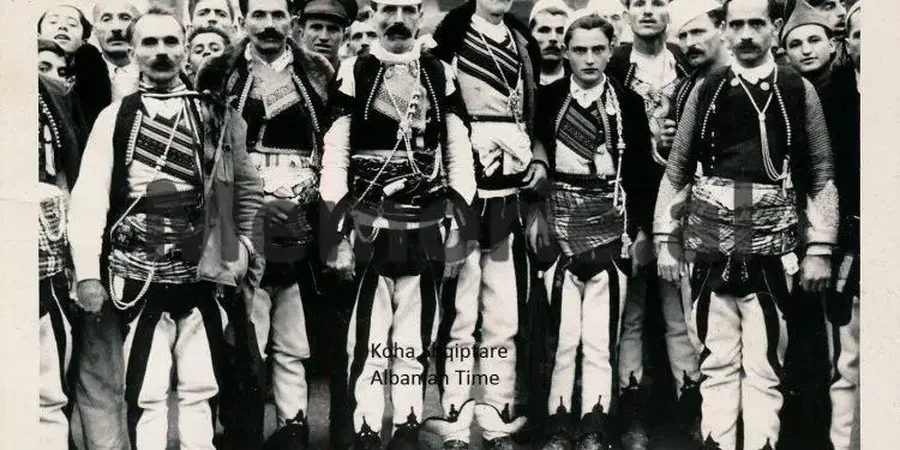
After the flag was changed in 1944 with the addition of the communist star, Shkodra was transformed into a center of resistance against the regime, paying a cheap price for its tradition of freedom. In April 1945, high school students, already feeling betrayed by the promises of war, gathered to oppose the new terror that imprisoned and killed innocent people. Communism transformed Kosovo into a province of Yugoslavia, while condemning Shkodra for its historical “guilt” – its stance against the invaders. The “Postriba Movement” became a means to suppress any opposition, leading the city into a spiral of unprecedented suffering: prisons, executions and the destruction of families. Lyceum students, along with citizens, became symbols of resistance, while some "young communists" were transformed into tools of the State Security, resulting in expulsions from schools and imprisonment and exile.
Four times, Shkodra rose up in armed uprisings, but history forgot these battles. The book is written to remember the countless prisoners, the tortured and the murdered, as well as the parents who suffered in silence. It is a warning against dictatorship and a plea that future generations not forget the sacrifices made for freedom.
Continued from the previous issue
In the Footsteps of a Diary
Shkodra in the first years under communism
Back in Vukel, they shot Dedë Fran Braci, Ujk Nikë Mirashi, Ndue Nikë Staka and Zef Lul Mirashi, and with them, Gjergj Ndue Mirashi from Tamara and Gjon Loc Pëllumbi from Nikçi. But what else was left for the barbaric partisans to do?! Yes, they had to do something that had never happened before on Albanian soil: to cut the throat, "like a Slav", that is, alive and bring them face to face with their comrades, the young men in question, such as Nikë Lucë Bajraktari, the son of Lucë Bajraktari who was shot, and Llesh Fran Braci, the brother of Dedë Fran Braci, who was also shot.
The savagery and depravity of those partisans, as Albanians and as people, would know no bounds. The Albanians had historically been remembered as the only people in the entire Byzantine Empire who had treated their victims humanely, a trait that would remain with them to this day, but not by those partisans who had come from the south, who had been filled with the murder of their innocent brothers. Those partisans would be the first Albanians who, after adopting the most cruel methods of their Slavic tutors, would mistreat their victims, even though they were of the same blood, torturing them to death like no enemy, sometimes even mocking them for no reason.
Since the mountain forces had been dispersed, Preng Cali, – at that time seventy-eight years old – was confined inside a cave in Vukël. It was customary in those times, that in cases of misfortune and danger of a friend, and especially of a leader, friends and relatives would be found near him and share his fate with him. Thus, with Preng Cali, fourteen young men and boys were confined on that occasion, among whom, – as we have already mentioned – and a girl named Tone, who had a brother, Gjeloš.
From Vukli, the brothers Ndue and Zef Rapuka, as well as the brother who had also been shot a few days earlier, Lucë and Gjon Rapuka, were there. With them was their nephew, now an orphan, seventeen-year-old Maçi. There was Fran Dashi with his son, Dodë, as well as Marka Vuksani with his son Pal and his brother Ndue. There was also the body-guard Dedë Gjon Deda, who was tortured by some partisans throughout the night in Rapshë i Hotit, until he died in their hands.
From Nikçi, Fran Zef Pllumbi, Kolë Preng Pllumbi and the youngest of them all, Prelë Tomë Pëllumbi would join them. With them, as we have mentioned above, was the daughter of the executed Katrina Tomë, Tonia, who, although young, had decided not to marry. She dressed like a man with a çakçir and a xhamada, wore the white hat of the Malsori people on her head, and was invited to weddings and other occasions of joy, among friends and relatives of the house, because she sang, danced and played the fiddle, like no other. As very skillful and brave as she was, there was a place for her even in the men's cave. Next to her, as always, was her brother, Gjeloshi.
The repeated offer to surrender was rejected with contempt by the cave's prisoners for several days, but when on the eighth day their ammunition and food were running out, Prenk Cali himself, after much thought, made the decision, which he made known to his brave men with these words: "I know that the communists, although they make promises, do not keep them. I know very well that they will destroy me, but I want you too, since you are also young."
That same day, sent by the partisans, the friar David Pici and the mountaineer from Selce, Gjon Caka, arrived at the cave, who said: "Some of you will be punished, but most will be forgiven." The last to arrive near the cave were the notorious Zoi Themeli and Sulë Domi from Mat, brigade commander, from whom Preng Cali asked for guarantees for three conditions that he set: first, that the young men be released, because they were not guilty; second, that those who were to be held should not be handed over to the army, that is, that the partisans should not mistreat them; and third, he told them, we men are ready to stand trial.
Zoi Themeli and Sulë Domi, on that occasion, would swear and swear a hundred times on the "flag" and "faith of the Albanian", assuring Prenk Cali that the conditions set by him would be respected until the end. But what really happened? As soon as the prisoners came out of the cave, the communist treachery would immediately show itself: they tied them with wire and grabbed them together by rope, they were put on the road.
Mbas nji rrugëtimi të mundimshëm e disi poshtnues, nata i zu në Rapshë të Hotit, ku edhe i ndaluen. Ka qenë ajo natë, që siç kemi tregue pak ma sipër, kur partizanët do të mbytshin në dru Dedë Gjon Dedën e, të pritshin si bagëtitë në fyt, të rinjtë Nikë Lucë Bajraktarin dhe Llesh Fran Bracin.
Të tjerët të nesërmen i hypën në nji makinë tue i nisë për Shkodër dhe, si zakonisht në kësi rastesh, në hymje të qytetit, i zbritën nga makina, për t’u gjetë në çast nën çirrjet ma të padurueshme të nji turme të organizueme horash, që atyne fatkeqëve do t’iu hynte deri ndër turinj, tue u thirr me sa za që të kishin: “Hakmarrje, hakmarrje”, “Plumbin ballit, plumbin ballit”! etj. kërcënime e fyemje, që ata malsorë të urtë e trima, do t’ ishin të detyruem me i përballue pa krenari e me vuajtje të mëdha shpirtnore.
“Deka, kapak florini”, do të na thonte ndonjeni prej tyne, vite ma vonë në burg, kur të kujtonte me mundim atë rast. Me qëllim që ata malsorë t’u demoralizojshin dhe që vetë populli t’u frikësonte, do t’i detyrojshin që atë ditë të përshkojshin në kambë gjithë rrugën, deri në burgun e quejtun “Burgu i Gestapos”, i ndodhun diku në të djathtë të rrugës që nga lagja “Serreq” të çon në “Perash”.
Po a mos drama e Kelmendit kishte marrë fund me kaq?! Jo, kurrsesi!
Ajo do të vazhdonte si gërmadhat e mjerimi që vijnë si pasojë e nji tërmeti të ramë pak ma parë. Natyrisht, brenda nji punimi të tillë, nuk mund t’u bahet vend shumë prej atyne ngjarjeve të ndodhuna. Drama e Kelmendit, si përmbledhje e dramave të shumë e shumë familjeve të tij, nuk mund të pasqyrohet në të gjithë vërtetësinë e në përmasat e saj të pësimit e dhimbjes, për pa u pasë përshkrue në veçanti, drama e s’pakut disa prej familjeve të tij.
Sa për ilustrim, po marrim vetëm familjen e vëllazënve Dedaj, së cilës me atë rast i qenë vra njeni mbas tjetrit të tre djelmt e saj, e natyrisht pa pasë qenë edhe ky rasti ma tragjik për nji shtëpi kelmendase në atë kohë. Vllaznit Gjergj, Dedë e Nikë Gjon Deda, pak vite ma parë, kishin lëshue trojet e të parëve të tyne në Nikç e dalë në Guci, në kërkim të nji jete ma të mirë, ku edhe kishin ble nji copë tokë e ndërtue nji shtëpi të re. Me të ndigjuem se Kelmendi i tyne ishte futë në luftë me komunistët, të tre ata kishin vrapue, për t’u gjetë sa ma parë përkrah vëllazënve të tyne kelmendas.
Përfundimisht, Gjergji do t’ishte ai që e kishin mbytë në dru në Rapshë të Hotit, Deda që ishte vra në përpjekje me nji patrullë partizane diku tej Tamarës, kurse Nika, mbas nji lëngimi prej disa ditësh prej plagëve të marra në luftimet e Tamarës e, në vetminë e nji shpelle të Vermoshit ku kishte kenë mshehë, ishte pasë zanë nji ditë prej forcave partizane, të cilët menjiherë ia kishin dorëzue atyne malazeze, e këta të fundit, me gjyq, e kishin dënue me vdekje.
Milka Plashin, komuniste me post e influencë në Mal të Zi, që i kishte njohë e vlerësue qysh ma parë Nikën me vëllazën, kishte ndërhy e ba të mundun, lirimin e tij prej burgut. Malazezë të tjerë, të pakënaqun nga përkrahja që po iu bante nji shqiptari, do ta vritshin atë me atentat, pak ditë mbrapa.
Viktima të pabesisë komuniste, do të bijshin edhe trimat Gjekë Selca e Gjergi Lula, të dy prej Selcet e, të rritun bashkë si vëllazën, e që në luftimet e Tamarës kishin qenë dallue si njeni, ashtu edhe tjetri. Ishin qenë dorëzue, jo tue i besue amnistisë së shpallun publikisht, sa besës që atyne ua kishte dhanë vetë Abas Fejzo, komandant brigade. Si edhe në rastet e tjera, porsa ata ishin dorëzue, mbi duarët e tyne ishin hedhë prangat, e për disa ditë do të qëndrojshin të mbyllun në nji burg të Shkodrës.
Në krye të tre muejve, në nji ditë të bukur prilli, ata do t’i nxirrshin në Koplik, ku me detyrim, për atë rast, kishin mbledhë popull prej gjithë Malsisë. Të dënuem me vdekje siç ishin, do t’i lejshin gjatë gjithë ditës të lidhun për shoqishojn, që t’i shikonte populli e që edhe vetë ata t’u ligshtojshin. Qëndresa e tyne prej trimash të rallë, do t’u përhapte gjithandej nëpër Malci e të mbushte me dhimbje gjithë banorët e saj. Dëshmitarë të asaj skenë makabre, do të thojshin se ata s’e kishin marrë vdekjen fare në sy.
Për fjalët që ata kishin nxjerrë gjatë gjithë kohës në drejtim të partizanëve e të Enver Hoxhës, që kishte tradhtue vendin, tue qenë lidhë me Titon e Stalinin, si dhe përgjithësisht qëndrimi i tyne tepër i qetë e krenar, kishin ba që ata t’u ndajshin nga jeta e nga ata vëllazën të tyne malsore, si edhe nga ata male, mes të cilëve ishin rritë e trimnue, njashtu si motit heronjt e kangëve kreshnike, prej të cilëve ata ishin frymëzue, kur pranë votrave të tyne të ngrohta, të kishin ndigjue tue u këndue n’ fille t’lahutës prej ma të ritunvet.
Për Gjekë Selcën, tregojnë se ka pasë trup e pamje të thatë, po shkathtësia e trimnia e tij, kishin qenë njohë prej të gjithëve, kurse Gjergi Lula, përveç se trim, kishte pasë trup të zhvilluem dhe nji fytyrë brune me trajtë e tipare shumë të hijshme mashkulli. Kur ata para se t’u pushkatojshin, t’u pyetshin nëse kishin ndoj fjalë për të thanë, Gjergji kishte folë: “Nuk kam gajle se më vritni, por mos më prishni në fytyrë”. Donte pra, që edhe për s’dekni, t’u shifte e t’u mbante mend mbrapa prej të tjerëve, ashtu si kishte qenë në jetë.
Tridhet vjet para tij, Themistokli Gërmenji, luftar i shquem për pavarësi, francezëve qe do ta pushkatojshin, në momentin e fundit, a s’do t’u kërkonte që ta vritshin me sy të zgjidhun e, të veshun kombëtarisht? E Vasil Laçi i ri gjithashtu, italianëve që tentoi t’u a vriste Mretin Vitor Emanuel i III-të, para se të varej, a s’do të kishte si kërkesë të fundit; “vetëm nji krahën”?!
Këto raste, e shumë e shumë të tjerë të ngjashëm me to që na afron historia, a nuk provojnë se shqiptarët e vërtetë, përballë vdekjes, veç gjestit heroik, kërkojnë edhe që në dhë të futen si për festë? Në se akte të tillë lavdijet, siç dihet, kishin gjetë respekt edhe nga shumë të huej, nuk ishte e thanë që ashtu të ndodhte edhe nga ana e atyne që vendit të tyne, po i sillshin absolutisht ma të keqen e tij historike.
Si ranë të dy nën breshnitë e automatikëve, nji kapter prej jugut, do t’i afrohej me revole në dorë kufomës së Gjergjit, dhe tue kërkue që t’ia vriste edhe amanetin që sapo kishte lanë vetëm nji minut ma parë, do t’i derdhte mbi fytyrë plot tetë plumba të tjerë. Kësi shqiptarësh e ksi trimash, ishin ata partizanë, e ksi shpirti edhe kishin, sidomos kriminelët e të ashtuquejtunës; “Mbrojtje Popullore”.
Shpejt mbas ngjarjeve të Kelmendit, nji gjykatë ushtarake me kryetar majorin Tonin Jakova e me anëtar kriminelin numër nji të Shkodrës, Zoi Themelin e togerin kurriz-kërrusun, Mustafa Iliazin, si dhe me prokuror Jonuz Mersinin, dënoi me vdekje Prenk Calin e Dedë Lulash Smajlin, kurse të tjerët, prej dhetë vejt burg, deri në të përjetshëm.
Tonia, ndonëse e vlefshme sa nji burrë, u lirue si femen që ishte dhe si e vetme që mbet, pa nanë e pa babë e, veç me nji vëlla, edhe atë të burgosun, e veshun si burrë duel në Kelmend, e priti derisa Gjeloshi të plotësonte të dhetë vjetët e burgut të tij, për t’u arratisë mandej, motër e vëlla së bashku, në Jugosllavi. Ndue Gjon Rapuka, i dënuem me burg të përjetshëm, do t’u verbonte mbas disa vjetësh e të vdiste në të gjashtmbëdhetin vjet, në burg të Burrelit.
Edhe vëllau i tij Gjoni, mbas shumë vitesh, atje në burg të Burrelit, do të vdiste. Në atë burg nji ditë do të vdiste edhe Fran Zef Pllumbi e djali i tij, Gjeloshi, që në vjetin 1948, do t’u masakronte me dru në kampin e Bedenit, mbasi që nji ditë, prej sipër çatisë se nji kapanoni ku ai ishte ngjitë, kishte pasë thirr me forcë disa herë: “Poshtë Stalini, he, atij ia bajsha…”! Maçi i shtëpisë Rapukaj të Vuklit, bashkë me kushërinjtë, Gjelosh e Prele Toma, do të bajshin shej në burg të Shkodrës, si model i të rinjve malësorë, që nga të parët e tyne kishin pasë trashigue vërtetë cilësitë ma të mira. Malet tona gjithji kanë pasë të përbashkët jetën e luftën, nderin e gjakun.
One of the several houses that were dedicated to the defense of Kelmendi and that resistance was paid for with the sacrifice of all its men, that of the Rapukaj family of Vukli, which within thirty years had been burned three times: in 1911 by the Turks, on which occasion one of its men was killed; in 1913, newly built, it was burned by the Montenegrins, and again, on which occasion one of its men was treacherously killed, precisely by one of his Montenegrin probates; and thirdly, the partisans would burn down the house and all its men, kill or imprison them, from whom only Maçi, a teenager at the time, would escape, as if specifically to preserve that large and noble house, a permanent fortress against the enemies of Shipnia, like Malsia itself, proud and with history, house by house.
I cannot know what place this bloody picture of Kelmendi will occupy in history, just as I do not know whether that martyred Malsi will inspire more rhapsodists and poets to sing with longing and pride of those events and those brave men, and even more perhaps, of those fragile victims, the tears, worries and sadness of so many mothers left without sons, of so many brides who were widowed long before their time and of their children who grew up orphans, many of whom never knew a father.
I don't know, in the end, if it will be sung to the loneliness of the weapons left without a master, the land that was burned and the lute that could no longer sing, the life of the past wars, as well as the resurrection of hope, because the mountains are there again, as are the people, right there, carrying within them the message of the great sacrifice of the past fifty years under Communism.
How much time had passed since the first day of the "liberation" until Kelmendi was laid low? Very little: only two months for Shkodra, from Velipoje on the seashore to deep in the mountains, bordering Montenegro, like no other in Albania or abroad, to have welcomed communism; "with a rifle in the cheek". Does this common stance of a Shkodra with mountains and plains not speak of the freedom-loving spirit and vitality of the entire area, as well as of its model collective consciousness, with which it would oppose communism in one form or another for almost fifty years, a consciousness that remains such even today when it, like no other part of the country, is unwaveringly supportive of the values of tradition and democracy itself./ Memorie.al





Lini një Përgjigje