


 Shkruar nga Pamfleti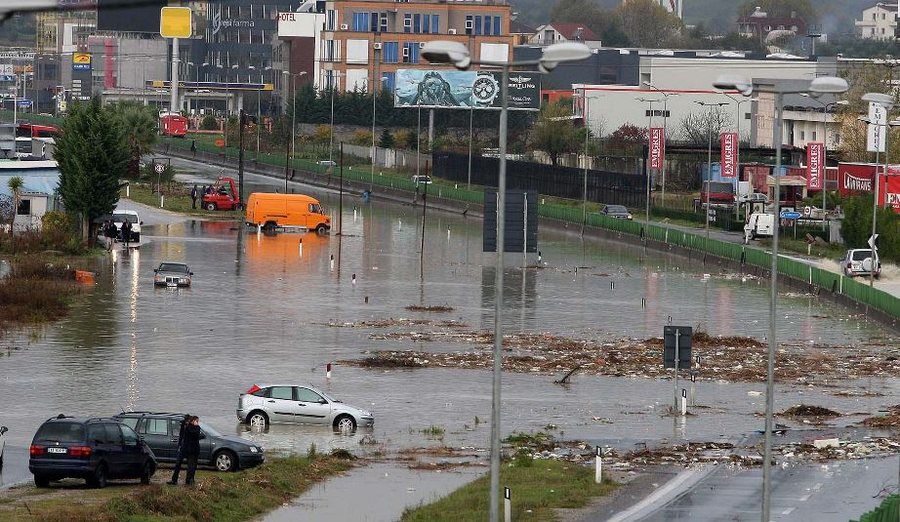
Last year was the warmest, according to global temperature records, since 1850.
This and many other indicators have raised the concern that we are walking on dangerous ground, where the consequences will be great, so the attention is on local measures to mitigate the effects. What about Albania, is it ready today? Institutions responsible for emergencies report that the legal framework is finalized, while investments are oriented towards mitigating the effects of disasters.
The Ministry of Agriculture admits that climate change will negatively affect some crops, but there is still no talk of changes to the product map. For the first time, the Bank of Albania also published a strategy for financial risks related to climate change and sectors that banks are exposed to. As the effects of climate change are here, Albania still has work to do to be ready.
The year 2023 was confirmed as the warmest calendar year according to global temperature records dating back to 1850. This year had a global average temperature of 14.98 degrees Celsius or 0.17 degrees more than the next year with the highest value, which is 2016.
Temperatures in Europe were above average for 11 months during 2023 and September was the warmest month on record. These are some of the indicators that the Copernicus Climate Change Service, the Earth observation component of the European Union's Space program, published in the first days of January.
The alarm that this is not the last year with these indicators, but the first year on a dangerous ground, has turned the attention and the need for reflection on climate change in the headlines of international institutions.
Albania, like a good part of the countries, was affected last year by heat waves with high temperatures, making it clear that, like everyone, we will suffer the consequences. Indicators of climate change have started to manifest earlier in our country in the average annual rainfall, their intensity or the presence or absence of snow.
In the narrow aspect, the countries are reflecting with measures on mitigating the risks that come from climate change, while at the international level they have joined initiatives where the results achieved remain in question.
Is Albania ready today to face the dangers of climate change? What are the sectors affected and what measures can be taken to mitigate the effects?
National Energy and Climate Plan and objectives
In 2021, the government adopted a special Energy and Climate Plan, which lays out the path to 2030. The key focus in this document appears to be more related to energy and achieving the security of supply objective than to climate elements, but of course some measures have an impact in that aspect as well, such as the use of fossil fuels.
The plan envisages the increase of investments in solar energy, the expansion of "hydro" capacities, the expanded use of gas, for which, until now, even though the projects are practically numerous, there is no concrete element.
Subsidy in function of reducing decarbonization related to sectors such as transport, where there is an effort towards green lines as well as measures in the agricultural sector.
In itself, the plan has summarized the national objectives in five dimensions. First is decarbonization, second is energy efficiency, third is energy security, fourth is the internal energy market and fifth is research, innovation and competitiveness.
For the issue of energy and climate, an interministerial group is in operation that coordinates the measures and reports on the progress.
1850 occurred in the decade 2011-2020. From 1980-2020, the average annual temperature of the Tirana area has increased by almost 2℃.
The historical data of the last 30 years show an increase in the number of days with temperatures above 35℃, and of nights with temperatures above 20℃.
"Hot springs are expected to have negative effects on yields, especially during the summer or during the spring in the olive culture," the Ministry underlines. In conditions where high temperatures or other phenomena related to climate change cannot be stopped, the Ministry of Agriculture has focused on a series of measures, first of all a project that is being supported by the World Bank
"We have discussed and are implementing with the World Bank a special component worth 29 million euros, which is directed precisely to reducing the effects of climate change and increasing the effectiveness of the use of water resources throughout the country.
Thus together with the World Bank we will build for the first time the Digital Platform for Climate Smart Agriculture.
This platform collects information on the type of soil, hydrometeorological data, agricultural practices (use of fertilizers, pesticides, irrigation, etc.) and aims to guide farmers to more sustainable agricultural practices", - affirms MBZHR.
It is also foreseen to intervene in 12 thousand 300 ha in the irrigation and drainage infrastructure and we will integrate technological innovations with renewable energy, reducing the carbon footprint of agriculture.
Another development is the transition to solar energy supply for about 1/3 of the needs of hydropower, by installing 27 solar panels, with an installed power of 2000 kWp, annual energy production of 2740 mWh.
“Në kuadër të granteve të WBIF (Western Balkans Investment Framework) po realizojmë studimin e fizibilitetit për përmirësimin e mbrojtjes nga përmbytja në lumenjtë Ishëm, Erzen, Shkumbin, Seman dhe Vjosa, për të përcaktuar me anë të projekteve specifike masat që do të merren në secilin prej rasteve. Së shpejti, do të fillojmë një analizë të sigurisë së digave të rezervuarëve me një studim parafizibiliteti për rreth 430 diga”, – nënvizon Ministria.
Ndryshimet klimatike rrezikojnë infrastrukturën, Shqipëria 147 milionë USD dëme në vit
Dëmet mesatare vjetore në infrastrukturë që vijnë nga fatkeqësitë natyrore po bëhen gjithmonë e më shqetësuese.
Një dokument i qeverisë vlerëson se vlera mesatare është 147 milionë dollarë dhe këtu bëjnë pjesë përmbytjet, tërmetet apo rrëshqitjet që prekin rrjetin rrugor dhe urat, por pjesën kryesore e mbajnë të parat.
“Infrastruktura rrugore dhe e urave të Shqipërisë është e ndjeshme ndaj ndryshimeve klimatike dhe fatkeqësive natyrore, kryesisht përmbytjet dhe tërmetet. Dëmet mesatare vjetore vlerësohen në 147 milionë dollarë në vit, me një ngjarje katastrofë, për shembull siç është një tërmet 1 në 100 vjet, për shembull, duke shkaktuar më shumë se 2 miliardë dollarë dëme.
Përmbytjet lumore janë një rrezik i madh natyror në rrjetin rrugor primar në Shqipëri dhe përbëjnë 84 për qind të totalit të AED (dëmit mesatar vjetor), krahasuar me 11 për qind nga rrëshqitjet e dheut dhe 5 për qind nga tërmetet”, vlerësojnë institucionet shqiptare.
Disa arterie kryesore në infrastrukturë janë të prekura vazhdimisht nga përmbytjet dhe rëndësia e tyre ekonomike e bën dëmin edhe më të madh në raste bllokimesh. Dy janë rrugët kryesore që dokumentet përmendin dhe janë pjesë e korridorit 4 dhe 5.
“Nën rrjetin strategjik, Korridori 4 (Tiranë-Durrës) dhe Korridori 5 Durrës-Vlora, janë rrugët më kritike në Shqipëri. Këto korridore janë edhe tani të prekshme ndaj ngjarjeve të përmbytjeve dhe dëmi vjetor mund të jetë rreth 13 milionë euro, për shkak të vëllimit të madh të trafikut dhe rëndësisë ekonomike të këtyre korridoreve dhe pritet të rritet sipas skenarëve të ndryshëm të ndryshimeve klimatike.
Duke marrë parasysh të gjithë rrjetin rrugor kombëtar, urat dhe kanalet janë infrastruktura kyçe, që janë më të cenueshmet dhe elementet më të ekspozuara vlerësohet një dëm mesatar vjetor prej 18.7 milionë euro”, – thuhet në dokument.
ARRSH nënvizonte në një përmbledhje të projektit të urave që po zbatohet me ndihmën e Bankës Botërore se ekziston një nevojë e qartë dhe urgjente për të rritur qëndrueshmërinë e infrastrukturës rrugore të Shqipërisë ndaj klimës, ndryshimet dhe fatkeqësitë natyrore (p.sh., tërmetet, përmbytjet dhe rrëshqitjet e dheut, stuhitë e forta të erës, etj.).
Ndryshimet klimatike, strategjia e BSH: Gjashtë sektorë që ekspozojnë bankat
Rëndësia që ka marrë çështja e ndryshimeve klimatike nuk i ka shpëtuar as vëmendjes së Bankës së Shqipërisë. Pak muaj më parë, ky institucion paraqiti atë që u quajt “Strategjia – Plan veprimi – Për administrimin dhe mbikëqyrjen e rreziqeve financiare të lidhura me klimën në sektorin financiar”. Në këtë dokument, banka analizon rreziqet financiare të lidhura me klimën, duke parë në detaj kanalet përmes të cilave transmetohet ky rrezik.
“Bankat janë të ekspozuara ndaj rreziqeve financiare të lidhura me klimën, nëpërmjet dy kanaleve kryesore, rreziqeve fizike dhe rreziqeve të tranzicionit.
Rreziqet fizike burojnë drejtpërdrejt nga ndryshimet klimatike, ndërsa rreziqet e tranzicionit lindin nga reagimi – nga politikëbërësit, novatorët ose konsumatorët – për të parandaluar dhe/ose për të luftuar ndryshimet klimatike”, – thuhet në dokument.
Banka nënvizon se rreziqet fizike do të rriten, si në intensitet edhe në frekuencë, në Shqipëri gjatë viteve në vazhdim. Prandaj, sipas saj, identifikimi, matja dhe monitorimi i këtyre rreziqeve nga institucionet financiare do të jetë një aktivitet i pashmangshëm në vitet në vijim dhe për rrjedhojë, edhe përfshirja e tyre në veprimet e Bankës së Shqipërisë.
Por cilët janë sektorët që mund të preken nga ndryshimet klimatike e për rrjedhojë, kjo të transmetohet në efekt zinxhir edhe në sektorë të tjerë të lidhur me to?
Duke vërejtur profilin mjedisor dhe ekonomik të Shqipërisë, dhe projektimet, të cilat shfaqin një rrezik të shtuar të shpeshtësisë, intensitetit dhe paparashikueshmërisë së dëmeve natyrore dhe hidrometeorologjike (të tilla si: furtuna, përmbytje, valë të të nxehtit, zjarre), në Shqipëri identifikohen disa rreziqe ekonomike.
Këto rreziqe janë më së shumti të lidhura me ndikimin që kanë ndryshimet klimatike në sektorin bujqësor, energjetik, menaxhimin e burimeve ujore, transport dhe zonat bregdetare. Rreziku klimatik ka
gjasa të ushtrojë trysni edhe mbi shëndetin dhe rrjetet e mbrojtjes sociale”, – thuhet në strategji. Duke u ndalur më në detaj banka nënvizon se nga gjashtë sektorë, ai që ka ekspozim më të lartë në sektorin bankar është ndërtimi.
“Sektori i vetëm me ekspozimin më të konsiderueshëm për bankat shqiptare ndaj rrezikut tranzitor është sektori i “Ndërtimit” që përfshin ndërtesa për banim dhe biznes, aktivitetet qiradhënëse dhe pronat e patundshme. Pesha në ekspozimin total është rreth 15-19%, me një trend në rritje në kohë”, – vlerëson BSH.
Ndërkohë Industria nxjerrëse dhe përpunuese kanë një peshë 14-19% me një tendencë në rënie. Ekspozimi i “Bujqësisë”, që konsiderohet të jetë tepër i ndjeshëm ndaj klimës, është nën 2% dhe i qëndrueshëm në periudhën kohore të vrojtuar.
Një tjetër sektor me ndjeshmëri të lartë ndaj klimës, sektori i “Transportit” është rreth 2-3% dhe i qëndrueshëm në periudhën kohore të vrojtuar.
Plani i BSH për vlerësimin e rreziqeve
Considering the sensitivity brought by the topic of climate change, the Bank of Albania has reflected in its strategy some of the measures it plans to take in this direction.
Such are from raising the capacities within the bank as it pertains to the modeling and analytical aspects to the assessment and measurement of risk or the preparation of a methodology for a top-down assessment of transitory risks.
Likewise, BSH anticipates that after the preparation of a stress test methodology for the assessment of transitory risks, during the second half of 2024, the Department of Financial Stability will perform the first top-down stress test for the assessment of transitory risks.
Following this, according to the action plan, the second half of 2025 will be dedicated to the first physical hazard resistance test, which will help to examine the methodology and provide the first quantitative results on the effects of physical hazards in the banking sector.
As for the second-tier banks, the document underlines that the Supervisory Department will engage in issuing a guide with regulatory expectations for climate risk, in order to encourage banks to include climate risks in their risk management/administration framework.
"This guidance should be principle-based and non-binding for banks, and will serve as a basis for supervisory dialogue.
It will increase banks' awareness of climate risk and set some expectations on how banks should integrate climate risks into the overall risk management framework, under the current prudential framework," the document says./ Monitor





Lini një Përgjigje