


 Shkruar nga Pamfleti
In the United States, it is up to one person to decide whether the world engages in nuclear war. Only the president has the authority to unleash any of the approximately 3,700 nuclear weapons in the US stockpile, an arsenal capable of destroying all human life several times over.
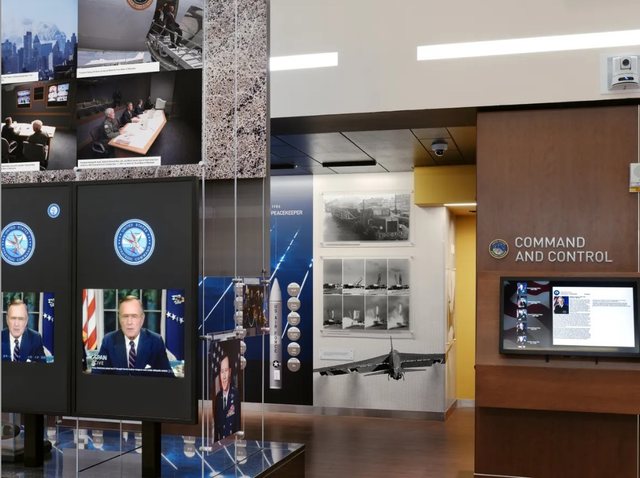
Forty-five meters underground in a command center near Omaha, there is an encrypted communication line that goes directly to the American president. To get to it, you have to go through a shielded turntable, two reinforced steel doors and a twisting corridor that leads to an ultra-secure room called the Battle Deck. It sits beneath the headquarters of the US Strategic Command, or Stratcom, where military personnel stand 24 hours a day awaiting a phone call the world hopes will never come: a direct order from their commander-in-chief—the president of USA- to launch a nuclear attack.

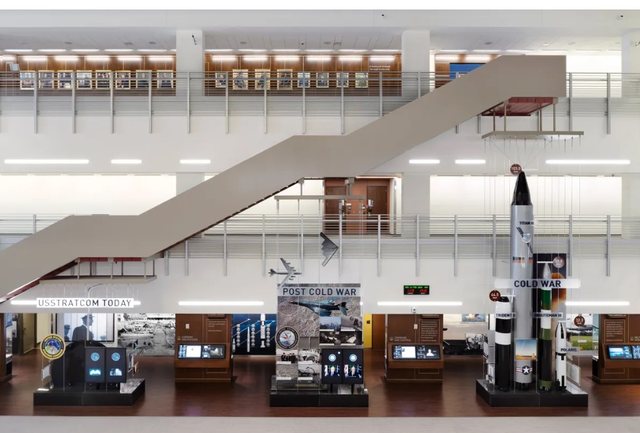
Stratcom is the military headquarters responsible for overseeing all US nuclear forces worldwide. Buried beneath it is a military command post built in case of a missile attack in a national emergency.
Workstations on The Battle Deck are arranged stadium-style around 15 LED screens that glow with real-time information and maps. Hanging from the ceiling, a small digital display reads: Blue Impact Timer, Red Impact Timer, and Safe Escape Timer, all set at 00:00:00.
If a president were to order the release of a nuclear weapon, timers would start ticking, warning everyone in the room how long they have before US weapons hit the enemy, how long before enemy weapons hit the US, and how long before all the buildings and all the people have been obliterated by nuclear-tipped missiles.
If an adversary launches a barrage of intercontinental ballistic missiles loaded with nuclear warheads. US early warning satellites first detect the heat signature of missiles. Then American radars detect the missiles in flight.
The North American Aerospace Defense Command, or NORAD, analyzes the information to determine whether the attack is real.
In the United States, it is up to one person to decide whether the world engages in nuclear war. Only the president has the authority to unleash any of the approximately 3,700 nuclear weapons in the US stockpile, an arsenal capable of destroying all human life several times over. And that authority is absolute: No other person in the U.S. government serves as a check or balance after he or she decides to launch nuclear weapons. There is no requirement to consult Congress, direct the idea from the secretary of defense, or seek the opinion of the chairman of the Joint Chiefs of Staff.
This means that the American president is charged with the physical safety not only of some 334 million Americans, but also of millions of people in other countries who, of necessity, must rely on his discretion and steady nerves to make a decision that could change the course of human history.
Of course, it's only American voters who will decide in November who they want to give that power to. The two front-runners — President Biden, who is 81, and former President Donald Trump, who is 77 — would be the oldest candidates in the nation's history to appear on their party's ticket. During the year, they will have to face questions from voters about their mental acuity, competence and stamina to get another four-year term.
These are vital attributes for a commander-in-chief in a crisis. However, regardless of who wins this election, or the next election, the US president's sole nuclear authority is a product of another era and must be revisited in our new nuclear age.
No other aspect of US military power is legally exercised in this way. Authorizing drone strikes against terror suspects, for example, requires approvals up and down the chain of command, from a commander in the field to the general overseeing the region to the secretary of defense to the president. Larger operations, such as a ground invasion of another country, require the president to ask Congress for a formal declaration of war or authorization for the use of military force.
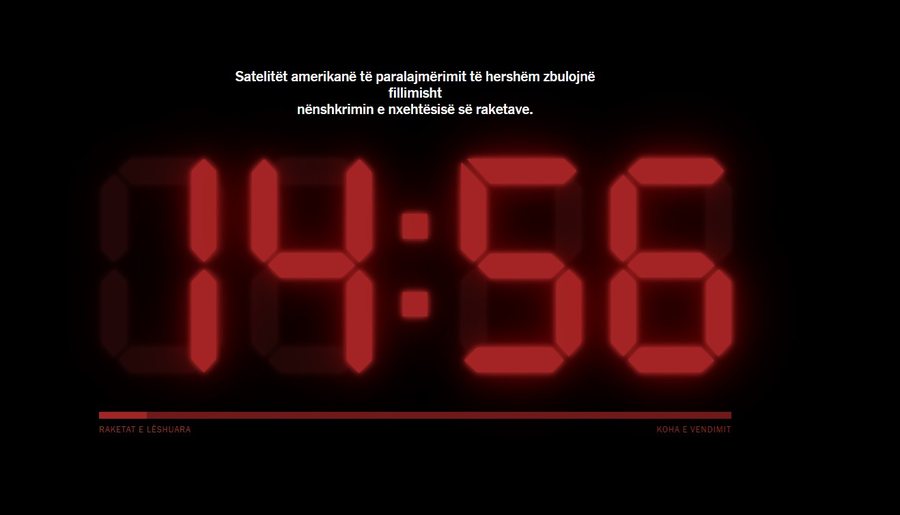
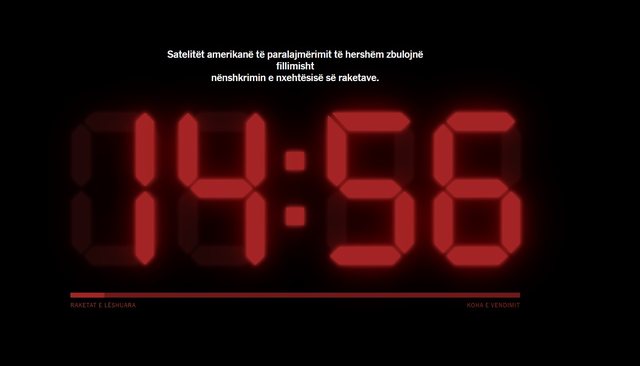
Nuclear operations have a unique protocol. A nuclear strike against the United States could destroy the country's defenses and leadership in 30 minutes or less, giving the US president roughly 15 minutes to decide whether to launch a counterattack. The US Strategic Command operates a global system to ensure that if a president orders the launch of a nuclear weapon, it will happen within minutes.
It's a complicated procedure involving dozens of people and perfect synchronization in a moment of unimaginable stress. Anyone in uniform who disobeys a direct presidential order can be court-martialed for insubordination.
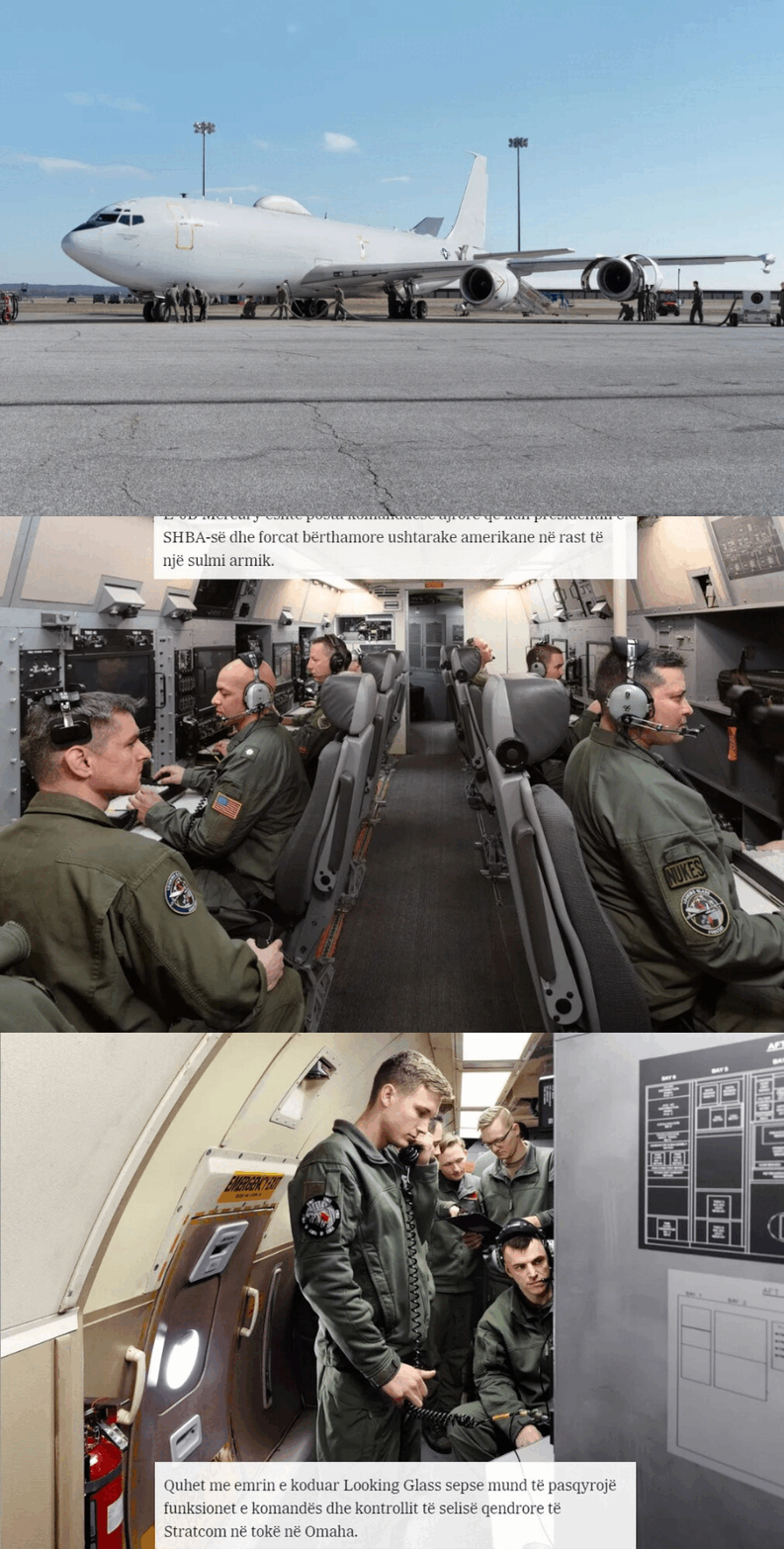
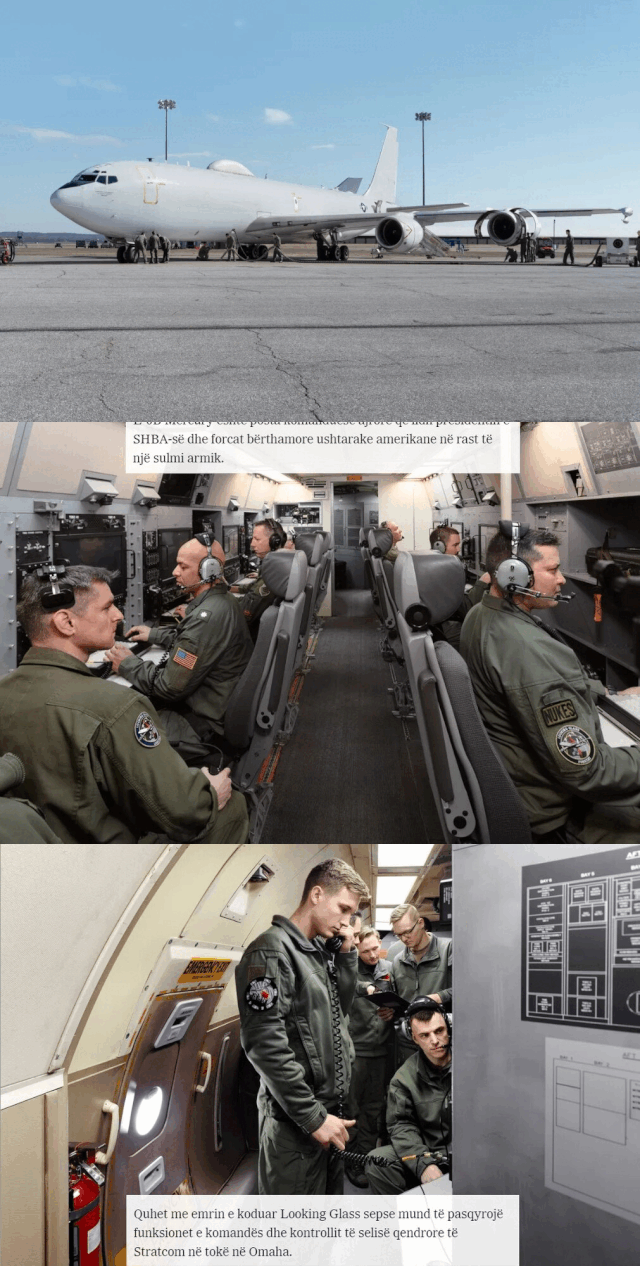
E-6B Mercury është posta komanduese ajrore që lidh presidentin e SHBA-së dhe forcat bërthamore ushtarake amerikane në rast të një sulmi armik. Quhet me emrin e koduar Looking Glass sepse mund të pasqyrojë funksionet e komandës dhe kontrollit të selisë qendrore të Stratcom në tokë në Omaha. Ekuipazhi i avionit mund të kontaktojë presidentin, të verifikojë identitetin e tij ose të saj dhe të përcjellë një urdhër sulmi bërthamor për të bombarduar skuadriljet, nëndetëset dhe siloset e raketave balistike ndërkontinentale.
Ideja që një njeri duhet të marrë një vendim të tillë të rëndësishëm në 15 minuta ose më pak është pothuajse përtej të kuptuarit. Në realitet, për sa kohë që ekzistojnë armët bërthamore, nuk ka mundësi më të mirë nëse Shtetet e Bashkuara sulmohen. Megjithatë, është e papranueshme që një president amerikan të ketë autoritetin e vetëm për të nisur një sulm të parë bërthamor pa një kërkesë për konsultim ose konsensus.
Vënia e kaq shumë pushtetit të pakontrolluar në duart e një personi është jo vetëm e rrezikshme, por edhe thellësisht antitetike me mënyrën se si Amerika e përkufizon veten. Kjo gjithashtu i bën njerëzit thellësisht të shqetësuar: sondazhet e fundit zbuluan se 61 përqind e amerikanëve nuk ndjehen rehat me autoritetin e vetëm të presidentit. Gjatë viteve, disa organizata kanë nxjerrë studime në lidhje me politikën, duke ofruar rekomandime se si ajo mund të përmirësohet. Megjithatë mbijeton.
Një nga elementët më befasues të autoritetit të vetëm të presidentit amerikan është se sa ka zgjatur ky pushtet i jashtëzakonshëm, madje rrallëherë i sfiduar. Filloi në praktikë më 10 gusht 1945 – vetëm disa ditë pas bombardimeve bërthamore të Hiroshimës dhe Nagasakit – kur Presidenti Harry Truman urdhëroi që një veprim i tillë të mos ndërmerrej pa lejen e presidentit. Në shtator 1948, administrata Truman lëshoi një memorandum që çimentoi praktikën. Mendimi i zotit Truman ishte se armët bërthamore ishin shumë të rëndësishme për t'u lënë në duart e oficerëve ushtarakë, të cilët mund të jenë tepër agresivë në terren.
Pasardhësit e zotit Truman e ruajtën atë në vitet e Luftës së Ftohtë, kur forcat bërthamore të SHBA-së ishin në gatishmëri. Nga vitet 1950 deri në vitet 1980, makthi më i madh i Uashingtonit ishte një sulm i befasishëm sovjetik që do të zhdukte flotat amerikane të avionëve bombardues dhe raketave balistike në terren përpara se ato të mund të lëshoheshin. Aftësia e një presidenti për të nisur me shpejtësi një kundërsulm, i pakufizuar nga nevoja për konsultim, konsiderohej jetike për mbijetesën e Amerikës.
Jake Sullivan, këshilltari i Presidentit Biden për sigurinë kombëtare, tha se zyra e tij aktualisht po shqyrton politikën dhe po përcakton nëse ka mbikëqyrje të mjaftueshme. Çdo ndryshim do të ndodhte ose nëpërmjet kompetencave presidenciale ose me Kongresin.
“Është një çështje e ndërlikuar – dhe pothuajse teologjike. Ne po e hedhim një vështrim, por nuk është marrë asnjë vendim”, tha Sullivan.
Përpjekjet e mëparshme për ndryshimin e ligjit nuk kanë shkuar askund. Rishqyrtimi i parë serioz erdhi në vitin 1976, kur u bë publike se ish-presidenti Richard Nixon ishte shpesh i dehur dhe në depresion gjatë ditëve të fundit të administratës së tij. Një komitet i Kongresit u mblodh për të shqyrtuar rishikimin e autoritetit presidencial të lëshimit mbi përdorimin e parë parandalues të armëve bërthamore, por katër ditët e seancave dëgjimore nuk rezultuan në ndryshime legjislative. Ideja nuk u rishikua përsëri deri në vitin 2017, kur zoti Trump ishte në Shtëpinë e Bardhë dhe kërcënonte me veprime ushtarake kundër Koresë së Veriut. Demokratët në Dhomën e Përfaqësuesve dhe Senatin hartuan një projekt-ligj që do t'i kërkonte presidentit të merrte një deklaratë lufte nga Kongresi përpara se të fillonte sulmin e parë bërthamor. Nuk shkoi kurrë në votim.
Zyrtarët e lartë në secilën prej atyre administratave më vonë zbuluan se ata kishin qenë aq të shqetësuar për mentalitetin e trazuar të shefave të tyre, saqë u përpoqën të ndërmjetësonin duke e vendosur veten në zinxhirin e komandës nëse jepej një urdhër lëshimi. Në vitin 1969, Henry Kissinger, këshilltar për sigurinë kombëtare për zotin Nixon, u raportua se kishte hequr dorë nga një urdhër presidencial në gjendje të dehur që kërkonte rekomandime për objektivat për të goditur në Korenë e Veriut pasi ajo rrëzoi një aeroplan spiun amerikan. Në vitin 2021, kryetari i shefave të përbashkët të zotit Trump, Gjeneral Mark Milley, i tha kryetares së Dhomës, Nancy Pelosi, se ushtria do të refuzonte të kryente një urdhër lëshimi bërthamor nëse ishte në kundërshtim me ligjet e konfliktit të armatosur, sipas " Rrezik” nga Bob Woodward dhe Robert Costa. Por ligjërisht, as Kissinger dhe as Milley nuk ishin pjesë e zinxhirit komandues të lëshimit bërthamor, dhe për këtë arsye ishte e paqartë se çfarë do të kishin qenë në gjendje të bënin për të ndaluar një urdhër presidencial.
Oficerët ushtarakë amerikanë mund të zgjedhin të mos u binden urdhrave që ata i konsiderojnë të paligjshëm sepse nuk përmbushin kërkesat sipas ligjit të konfliktit të armatosur - nëse, për shembull, presidenti urdhëroi një sulm të paprovokuar në një vend të huaj.
Por edhe zyrtarët e lartë kanë pranuar publikisht se është e paqartë se si mund të funksionojë, saktësisht, një refuzim për të ekzekutuar një urdhër presidencial. C. Robert Kehler, një gjeneral në pension i Forcave Ajrore që dikur komandonte Stratcom, u përpoq të siguronte Kongresin në 2017 se ka kontrolle të brendshme nëse një president urdhëron një goditje të parë të paligjshme pa diskutime dhe paralajmërime paraprake. Kehler tha se ai nuk do të vazhdonte nëse një president lëshonte një urdhër të drejtpërdrejtë për të ekzekutuar një nisje të tillë. Kur u pyet se çfarë do të ndodhte më pas, ai u përgjigj: “Epo, siç them unë, nuk e di saktësisht. Për fat të mirë, ne nuk e kemi bërë kurrë – të gjithë këta janë skenarë hipotetikë.”
This is not an uncertainty the world should live with. Congress should immediately create a new legal framework that limits the president from being able to issue a nuclear launch order without the consent of another senior official, unless the United States is already under attack.
The legislation would identify two other senior government leaders and require at least one of them to agree to a release decision before the nuclear-tipped missiles are fired. These officials must be vetted and confirmed by the Senate as a requirement for their positions in the US government—for example, the secretaries of defense and state, or the four-star general officer who heads the Joint Chiefs of Staff.
Establishing a deliberative process would help eliminate the possibility of an independent president recklessly instigating nuclear Armageddon, due to insanity or misfortune. The policy change would also show our adversaries that the United States is reducing the risk of getting stuck in a nuclear war by creating safeguards against an inadequate US commander.
As the world lurches into another unstable nuclear age, Congress should not treat such scenarios as hypotheticals. They should treat them as if our whole lives depended on them./ Adapted "Pamphlet" from "New York Times "






Lini një Përgjigje