


 Shkruar nga Nathalie Tocci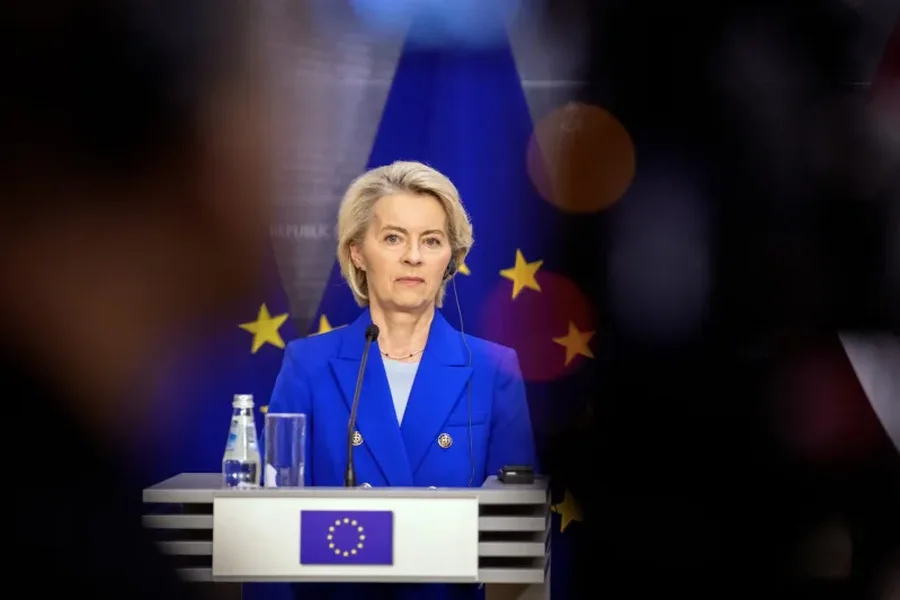
Washington's new National Security Strategy endorses a hostile relationship...
Europeans have let themselves be convinced that US President Donald Trump is unpredictable and volatile, but ultimately manageable. This is strangely reassuring, but wrong. From US Vice President JD Vance’s speech denigrating Europe at the Munich Security Conference in February to the new US National Security Strategy released on December 4, the Trump administration has long had a clear and consistent vision for Europe: one that prioritizes US-Russia ties and seeks to divide and conquer the continent, with much of the work done by far-right European nationalist forces that now enjoy support from both Moscow and Washington. It is time for Europe to realize that, when it comes to the Russia-Ukraine war and the security of the continent, it is, at best, alone. In the worst case, it now faces two adversaries: Russia to the east and Trump's United States to the west.
Whenever Trump or members of his administration have attacked Europe, including Ukraine, Europeans have taken the blow with a forced smile and bent over backwards to flatter the White House. They believe it is a clever ploy, playing on Trump’s perceived incoherence and futility to bring him back to the transatlantic front. Yet whenever Trump has turned his narrow attention to the Ukraine war, he has leaned on Russia, from the Oval Office trap set for Ukrainian President Volodymyr Zelensky in February, to the red carpet rolled out for Russian President Vladimir Putin in Alaska in August, to the 28-point “peace plan” likely written in Moscow. In each case, Europeans have taken the hit, busying themselves with keeping Washington engaged and salvaging what is left of the transatlantic bond. Europeans have turned so many pages to Trump that one wonders if they have any left.
But Europe has made a losing bet on an endless Groundhog Day. When it comes to Europe, Ukraine, and Russia, the Trump administration has been remarkably consistent. Trump wants the war in Ukraine to end, largely because he sees it as an irritant that is impeding the normalization of U.S.-Russian relations, especially planned business deals between his inner circle and the Kremlin’s friends. The liberal world order is gone; in its place comes survival of the fittest. Instead of old-fashioned superpower competition, Trump is keen to pursue imperial cooperation with both Russia and China. The rest of the world, including Europe, is on the colonial menu.
Strategically, this makes a certain short-term logic. Ideologically, it aligns with support for far-right parties and governments in Europe and beyond. Not only do these forces share the nationalist and socially conservative views espoused by MAGA, but they are also working to divide Europe and hollow out the project of European integration, with center-right forces playing the role of useful idiots by collaborating with them. There is nothing less patriotic than the supposed patriots and sovereignists in Europe who continue to destroy European unity while pursuing cooperation with Russia. The vision presented in the new US National Security Strategy is short on concrete policies regarding Europe, but the document’s message is clear: The only conceivable transatlantic connection is between far-right forces, where alpha Americans dominate their European servants. It is an exact parallel to the vision and strategy that Putin's Russia has pursued towards Europe for years.
If Trump has not yet subdued Europe to his will, it is not because of clever European maneuvering. Trump’s flattery by calling him “dad,” showering him with gifts, and inviting him to royal dinners will not save either Ukraine or the transatlantic relationship. Nor will frenetic European diplomacy, collective trips to Washington, or alternative peace plans do the job. If Trump has not yet realized his vision of the war in Ukraine and a new balance of power in Europe, it is simply because Putin is still trying to win it over. But relying on Putin, who will always undermine a US-Russia deal, cannot be Europe’s security strategy.
What should Europeans do instead?
Lajmi i mirë është se ekziston një masë kritike e publikut dhe qeverive evropiane që e kuptojnë se siguria evropiane kalon nëpër Kiev. Kjo përfshin ato të Gjermanisë, Francës, Britanisë, Polonisë, vendeve nordike, shteteve baltike, Holandës, Spanjës dhe, në një farë mase, Italisë, qoftë edhe vetëm sepse italianët nuk duan të lihen jashtë. Ata e pranojnë se lufta e pushtimit imperialist të Rusisë fillon me Ukrainën, por nuk mbaron me të dhe se kapitullimi i Kievit vetëm sa do të çlironte burimet ruse për të hapur fronte të reja kundër Evropës. Ukraina është, tragjikisht, porta që parandalon që lufta hibride që tashmë po zhvillohet në Evropë të shndërrohet në një sulm ushtarak shumë më serioz.
Lajmi i dytë i mirë është se Evropa ka leva, ndoshta më shumë se Shtetet e Bashkuara, kur bëhet fjalë për luftën në Ukrainë. Që kur Trump mori detyrën, mbështetja e SHBA-së për Ukrainën është ndalur. Është Evropa që mban pjesën më të madhe të aseteve të ngrira të Rusisë, vendos sanksionet që vërtet kafshojnë, mbështet Ukrainën ekonomikisht dhe siguron pjesën më të madhe të ndihmës ushtarake. Pjesërisht për shkak të investimeve evropiane në Ukrainë, një pjesë gjithnjë e në rritje e mbrojtjes së vendit tani mbështetet në industrinë e saj të brendshme.
Kjo nuk do të thotë të krijosh një pamje tepër optimiste. Shtetet e Bashkuara mbeten absolutisht kritike për Ukrainën dhe Evropën, veçanërisht për inteligjencën që ofrojnë, e cila i mundëson Ukrainës të ndërpresë sulmet ruse me dronë dhe raketa në qytetet dhe infrastrukturën ukrainase, si dhe të identifikojë objektiva për sulme të thella në Rusi. Përtej kësaj, Shtetet e Bashkuara përfitojnë duke shitur armë që evropianët blejnë për Ukrainën, armë që Evropa nuk i prodhon në shkallë të gjerë ose nuk i prodhon fare.
Kjo tregon një enigmë më të gjerë që ndikon në sigurinë e Ukrainës dhe Evropës. Evropa po punon për të zvogëluar dobësitë e saj duke rritur shpenzimet e mbrojtjes, por shpesh kjo përfshin blerjen e më shumë armëve amerikane. Po zvogëlon dobësitë e saj afatshkurtra me koston e rritjes së varësisë së saj afatgjatë nga Shtetet e Bashkuara që tani i përdorin si armë varësinë e aleatëve të tyre nominalë. Evropianët janë larg zgjidhjes së kësaj dileme.
Ndërsa një përgjigje sistemike për enigmën e sigurisë së Evropës nuk është në horizont, evropianët kanë mjetet për të parandaluar kapitullimin e Ukrainës dhe për të krijuar kushtet për një paqe të drejtë. Ajo që mungon dhe që duhet të adresohet, janë dy përbërës.
The first is Europe’s ability to focus on its strategic purpose. European leaders and institutions have an abstract understanding of long-term strategy, but in practice, they are often preoccupied with short-term and vested interests. Nowhere is this more evident than in the myopic positions of Belgium and the European Central Bank on using frozen Russian assets to aid Ukraine. While there are undoubtedly financial and legal risks, these pale in comparison to the political, economic, and security costs to Europe that could ensue if Ukraine falls.
The second ingredient is courage. European leaders muster the courage to go to Washington, politely thank Trump for his efforts at “peace,” and convince him that the world is full of other conflicts that need his attention. Europeans can say: when it comes to Ukraine, we can handle the war. All we ask is to keep the intelligence flowing and continue to greenlight arms purchases while buying time to build our own.
Europe cannot promise to end the war today, but it can commit to building the conditions for lasting security on the continent. And if flattery is necessary, Europe can even assure Trump that when the day of peace comes, it will gladly dedicate a monument, a square, or a shiny golden award to him. /Adapted from Foreign Policy/




Mjere ne Shqiptaret e vegjel qe e luajme bythen sa me njerin e me tjetrin per te siguruar jetesen. Ta kuptoje mire populli Shqiptar qe, ne kete bote nuk ka pasur ka e do te kete miq. Te bere jane tu qire racen. Gangsteret e medhenj nuk i mbrehin briret me njeri tjetrin se po te rrezohen nuk ngrihen me e zgerlaqen copa copa. Po si tia bejme, nuk e di?
Jepni mo Belulit nje medalje se i plasi shpirti per nje. Jepini edhe nje Oskar e c'te doje. Edhe Kupen e Futbollit te Ekipeve Botes qe, e fitoi Chelsea e mbajti per vehte si Trofe vete e tha qe do tju bej nje kopje me te mire se origjinali. Aman mo jepjani djalit se po o bie zalia.