


 Shkruar nga Pamfleti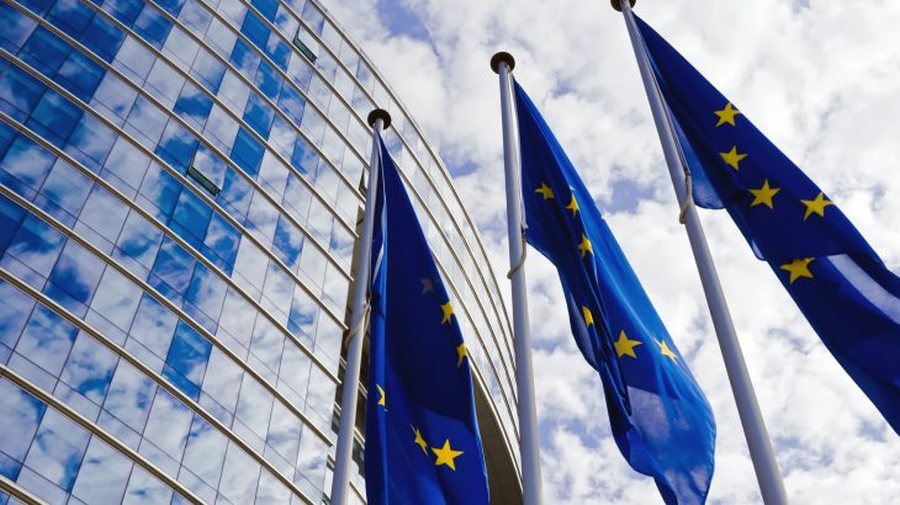
Two things are very clear after the publication of the European Commission's annual Progress Report on November 4th.
The European Union executive is very serious about accepting new members by the end of the five-year term, at the end of 2029. And it has already identified the candidates: Albania, Montenegro, Moldova, and Ukraine.
This is the first report published by the new composition of the Commission since it began work at the end of last year.
As usual, the document mentions progress – or lack thereof – in the 10 countries aiming for the EU: Kosovo, Albania, Bosnia and Herzegovina, Montenegro, North Macedonia, Serbia, Turkey, Moldova, Georgia and Ukraine.
However, it seems that this year's reports have had a geopolitical twist.
After discussions that Radio Free Europe has had with several officials in Brussels in recent months, it is clear that the expansion of the European bloc has once again become a priority.
The last country to join the EU was Croatia in 2013, and since then the European bloc has, in fact, shrunk for the first time, with the departure of the United Kingdom in 2020.
This year's document mentions that "this is the first mandate of the Commission since the 2010-2014 period, when, given the accelerated progress of several candidate countries, enlargement is a real possibility" and that the entire enlargement process "is moving faster than in the last 15 years".
The change of direction is related to the Russian attack on Ukraine in 2022, therefore, according to the European Union's chief diplomat, Kaja Kallas, "geopolitical changes make enlargement something necessary."
"Enlargement is not something that should happen, it is something that must happen if we want to be powerful players on the world stage."
Montenegro first?
All projections indicate that Montenegro could be the newest member. Podgorica has said it aims to conclude membership negotiations by the end of 2026, and the report notes that the country is “on track to meet this ambitious goal.”
This is not a decision that belongs to the European Commission, nor to the candidate country, but to the 27 member states that decide unanimously on the opening and closing of 33 accession chapters covering many areas, which countries aiming for the EU must adopt as national laws, so that everything is in line with the legislation of the European bloc.
Podgorica has been negotiating for 13 years, and although it has opened all 33 chapters, it has managed to close only seven of them – and most of them in the last 12 months, showing some momentum. In December, Montenegro aims to close five more chapters, although some European diplomats told Radio Free Europe that this sounds too optimistic.
Shqetësimet kryesore lidhen me luftën kundër krimit të organizuar dhe korrupsionit, si dhe pavarësisë së gjyqësorit.
Me fjalë tjera, viti 2026 mund të jetë shumë ambicioz, mirëpo secilën herë e më shumë ka zëra që Mali i Zi mund të bëhet anëtari i 28-të më 2028.
Shqipëria në radhë
Shqipëria mund të jetë më pas në radhë. Qeveria shqiptare shpreson në mbylljen e bisedimeve për anëtarësim më 2027, ndonëse Komisioni dyshon që diçka e tillë mund të arrihet.
Përparimi i këtij vendi në 12 muajt e fundit ka qenë i jashtëzakonshëm, pasi ai ka arritur t’i hapë 28 prej 33 kapitujve dhe pritet t’i nisë negociatat për pesë kapitujt e mbetur më vonë gjatë këtij muaji.
Megjithatë, mbyllja e kapitujve është proces më i vështirë sesa hapja. Dhe në aspektin e Shqipërisë, është shumë e rëndësishme që të bëjë edhe ndryshime tjera. Ndonëse ky shtet është kthyer në destinacion për turistë, dhe shumë evropianë janë duke blerë prona afër bregdetit, shumë zyrtarë evropianë thonë se Shqipëria ende vuan nga ajo që e përshkruajnë si një vatër e krimit të organizuar.
Prandaj, mund të mos jetë befasi që njëra prej rekomandimeve të Komisionit Evropian është që Tirana duhet të bëjë më shumë përpjekje për “hetim të trafikantëve të drogës dhe t’i identifikojë dhe shkatërrojë grupet kriminale”.
Çfarë për Moldavinë dhe Ukrainën?
Aplikimet e tyre janë “në çift” dhe ashtu kanë qenë prej fillimit pasi të dyja kanë aplikuar për anëtarësim më 2022 dhe pritet që ashtu të vazhdojnë, pavarësisht disa zërave se këtë vit secili aplikim mund të trajtohet veç e veç.
Kjo do t’ia mundësonte Moldavisë ecjen përpara dhe nisjen e bisedimeve për anëtarësim, pasi Ukraina vazhdon të jetë e bllokuar nga Hungaria dhe pritet të jetë në atë pozicion deri në mbajtjen e zgjedhjeve parlamentare në këtë shtet në Evropës Qendrore në prill të vitit 2026.
Moldavia shpreson se mund të anëtarësohet në BE më 2028, ndërsa Ukraina beson se mund të jetë anëtare në këtë dekadë, pavarësisht luftës në territorin e vet.
Të dyja shtetet kanë marrë vlerësime shumë të mira nga Komisioni, ndonëse Kievit i është tërhequr vërejtje për tentimet për të ndikuar në agjencitë kundër korrupsionit NABU dhe SAP.
Ndonëse këto dy shtete vazhdojnë të jenë të bllokuara, të gjitha vendet anëtare te BE-së – përveç Hungarisë – janë pajtuar për të vazhduar punën teknike me Kishinjevin dhe Kievin derisa të marrin ditën e gjelbër politike prej Budapestit, ku mund të ketë ndryshim të pushtetit vitin tjetër. Atëherë ideja është që të hapen sa më shumë kapituj që është e mundshme.
Në shumicën e kryeqyteteve evropiane ekziston një bindje që të paktën gjysma e kapitujve mund të hapen, pavarësisht se Komisionarja e BE-së për Zgjerim, Marta Kos ka thënë se negociatat mund të nisin menjëherë në të 33 kapitujt, nëse Budapesti e bën kthesën e madhe.
Ndërkohë, diskutime do të ketë edhe se si të bëhet procesi i zgjerimit sa më praktik.
European Council President Antonio Costa has said that the possibility of unanimity may be needed to launch and conclude accession negotiations, something that has been rejected by EU member states, which prefer to have many options in their hands to block the process.
This is not only the position of Hungary, but also of other countries that have problems with neighboring non-member countries.
For example, Bulgaria is now blocking North Macedonia, or is it Croatia that wants to hold Serbia accountable before Belgrade joins.
In recent weeks, there have been many other speculations about how enlargement might work. One discussion includes the idea of member states not having a vote on some issues – a kind of secondary membership that Ukrainian President Volodymyr Zelensky immediately rejected when asked last week.
Amidst all these discussions, the European Commission will work on analyzing pre-accession policies and reforms, in order to assess the impact of the new members in various spheres.
Kos has already mentioned the idea of introducing a mechanism that could suspend voting rights or block access to EU funds for new member states, in the event of violations in the rule of law sector.
Other countries seem to have been reluctant to accept this proposal, as Western countries in particular fear that they are expanding the bloc with "another Hungary", with which they have problems in the area of the rule of law.
The most realistic option to make enlargement manageable is to mechanize transitional periods – something that has been used in previous processes, for example in 2004 when eight Central and Eastern European countries were admitted.
For example, citizens of these countries are not allowed to immediately work in any other EU country.
Poland, a country with a large agricultural market, has not been fully integrated into the EU's single market. A similar arrangement for Ukrainian agricultural products would not be surprising.
Of most countries, Ukraine will be the most challenging, given the size and consequences of the war. To "absorb" Albania, Moldova, and Montenegro, it will be somewhat easier.
Commissioner Kos alludes to the fact that Montenegro's population, around 600,000, is the same as the Belgian port city of Antwerp, and that Albania and Moldova, with less than three million inhabitants, are each the size of Rome, Italy.
In other words, the EU needs to make many changes to its rules and budgetary plans if it is to add this trio.
Therefore, it should not be surprising if they will be the 28th, 29th and 30th countries of the EU./ REL



Shqitaret kane vuajtur nga te gjithe Aziatike, Europiane, e turli lloj zaberhane qe kane dashur te na shqyejne e gllaberojne. Nuk kane rendesi asnje per ne moralisht. Po a jetohet i sigurte pa miq e shoke. Nuk mund te behesh mik e shoke me ate qe gjithnje te ka futur thiken pas shpine. Gjeni nje shtet ne Europe qe nuk na ka bere te keqen. Pse te mos shohim punet tona si Zvicra e te rrojme te qete. Kaq.