


 Shkruar nga Pamfleti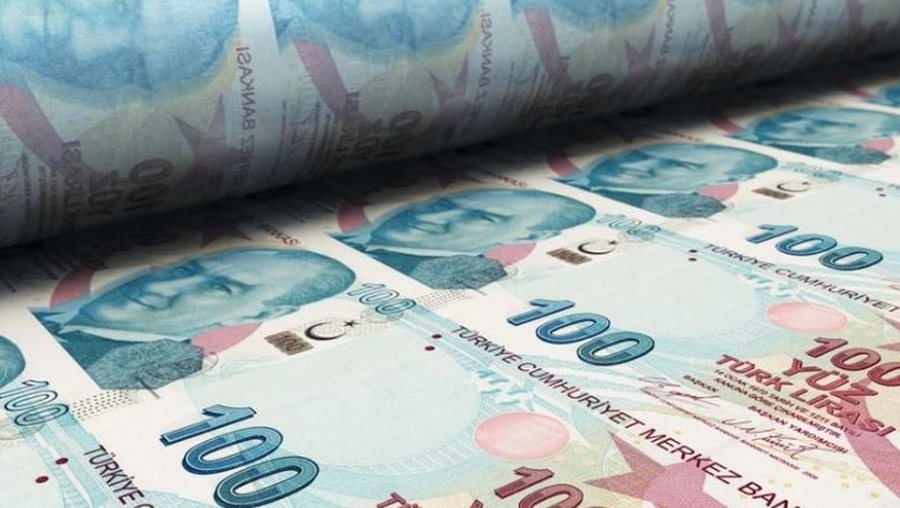
For years, the Turkish economy has been in permanent crisis. Massive inflation of nearly 40% in May 2023 has eaten into the purchasing power of Turks. In some areas, last year, the inflation rate rose to over 80%. These are the figures of government statistics, which many experts view with suspicion.
The meeting of the Turkish Central Bank on Thursday will not only attract attention at the national level. International financial and foreign exchange markets have their eyes on Turkey.
Since President Recep Tayyip Erdogan reinstated former Finance Minister and Merrill Lynch banker Mehmet Simsek to his cabinet, and American banker Hafize Gaye Erkan was named head of Turkey's Central Bank, there are increasing signs that Erdogan is no longer end gives approval for a policy change.
In recent days, the re-elected president had repeatedly hinted at the possibility of a change of course. But international investors' mistrust of Erdoğan's misguided economic and financial policies runs deep. Timothy Ash, an emerging markets expert at BlueBay Asset Management in London who has covered Turkey extensively for years, summed up the difficult task of Simsek, Erkan and their colleagues in a tweet in mid-June , noting that they were busy "finding out how bad things are".
Turkish economy in permanent crisis
For years, the Turkish economy has been in permanent crisis. Massive inflation of nearly 40% in May 2023 has eaten into the purchasing power of Turks. In some areas, last year, the inflation rate rose to over 80%. These are the figures of government statistics, which many experts view with suspicion.
Turkey, poor in raw materials, traditionally imports far more goods than it exports and therefore suffers from a high deficit. Turkey's current external financing needs are estimated at more than $200 billion (€183 billion).
At the same time, the national debt is growing: in the first four months of 2023, the public budget deficit exploded by 1,870%, according to the calculations of Turkish economist Tahsin Bakirtas. Private households are also highly indebted, reaching around 180% of Turkey's Gross Domestic Product.
Today, the national currency is only a shadow of itself. While one lira cost just under 0.60 euros at the beginning of 2008, the current exchange rate of 0.04 euros represents less than half a euro cent. Due to the dramatic drop in the currency, the cost of importing raw materials and goods continues to rise.
The new head of the central bank, Hafize Gaye Erkan, faces a difficult task
Instead of using interest rate hikes to curb inflation, as central banks around the world are doing, Erdogan, who describes himself as an "enemy of interest rates," has put political pressure on central bankers to keep interest rates low for years.
Meanwhile, the Turkish state has struggled to stay afloat. Its foreign exchange reserves are almost depleted. This year alone, the central bank has swallowed some $25 billion to finance a large balance of payments deficit and prop up the weak lira. Loans are now mainly provided by banks in Islamic countries, such as the United Arab Emirates.
At the same time, Turkey, which suffers from a shortage of foreign currency, has lurched from one crisis to another, buoyed by financial injections and loans from friendly regimes such as Qatar and Russia.
Dependence on the rich Gulf states is increasing
According to a Bloomberg News report, two banks in the United Arab Emirates - Abu Dhabi Commercial Bank and Dubai's state-owned NBD Emirates - recently provided Turkish banks with more than half of their urgently needed loans.
According to this report, Western banks such as the Dutch bank ING or the German Deutsche Bank almost halved their participation in joint loans of foreign banks, called syndicated loans, compared to a year ago.
Bankat në shtetet e pasura të Gjirit, nga ana tjetër, katërfishuan ekspozimin e tyre gjatë së njëjtës periudhë. Për më tepër, transaksione valutore, të njohura si marrëveshje shkëmbimi valutor, me vlerë rreth 20 miliardë dollarë janë lidhur me Emiratet e Bashkuara Arabe dhe Katarin vitet e fundit për të rimbushur rezervat valutore të Bankës Qendrore turke, të cilat janë pothuajse të shteruara.
E ka seriozisht Erdogani?
Ekonomistët e JPMorgan Chase presin që Banka Qendrore e Turqisë të trefishojë normën aktuale të interesit prej 8.5% në mbledhjen e saj të ardhshme. Normat do të rriten në 25% më 22 qershor, parashikuan bankierët amerikanë në një raport të fundit. Deri në fund të vitit, analistët e JPMorgan presin madje që normat e interesit të arrijnë në 30%.
Ministri i ri i Financave i Turqisë, Mehmet Simsek, të cilin Erdogani e shkarkoi në vitin 2018 për shkak të mosmarrëveshjeve mbi politikën fiskale, njoftoi ditë më parë se vendi i tij do të kthehej në "bazat racionale" në politikën ekonomike dhe fiskale. Erdogani madje foli kohët e fundit për "masa të shpejta".
"Pas diskutimeve me ministrin tonë të Financave, ne ramë dakord që ai duhet të ndërmarrë veprime të menjëhershme në konsultim me Bankën Qendrore," tha presidenti të mërkurën e kaluar gjatë fluturimit të tij nga një vizitë në Azerbajxhan, raportuan mediat.
Për vëzhguesit politikë, fjalët e Erdogan-it sugjerojnë se ai i ka dhënë ministrit të tij të Financave dhe kreut të ri të Bankës Qendrore dritë të gjelbër për të rritur normat e interesit.
Në vitet e fundit, Erdogan ka zëvendësuar vazhdimisht presidentin e Bankës Qendrore për të zbatuar politikën e tij joortodokse të parave të lira dhe normave të ulëta të interesit. Hafize Gaye Erkan është Guvernatori i pestë i Bankës Qendrore që nga viti 2019.
Investitorët dhe ekonomistët ndërkombëtarë kanë theksuar në mënyrë të përsëritur se Turqia duhet të bëjë më shumë sesa të rrisë në mënyrë dramatike normat e interesit për të frenuar inflacionin e arratisur.
Politika e vjetër ende e pranishme
Masat e Erdoganit, shpesh befasuese dhe të nxitura nga konsiderata të brendshme, gjithashtu mbajnë larg investitorët e huaj. Rregulloret afatshkurtra të këmbimit valutor dhe kërkesa për të bërë biznes në monedhën vendase kanë shkatërruar shumë besimin në Turqi si një vend për biznes. Investimet e mëdha, si ndërtimi i një fabrike të madhe montimi të Volkswagen-it, janë pezulluar prej vitesh.
Drejtoresha e re e Bankës Qendrore sjell përvojën e saj në menaxhimin e riskut nga Shtetet e Bashkuara. Së fundmi, Erkan, 44 vjeç, ka punuar në bankën rajonale amerikane First Republic, e cila që atëherë është blerë nga JPMorgan Chase.
Erdogani dëshiron të ulë inflacionin nga rreth 40 përqind aktualisht në një nivel njëshifror. Por ai dëshiron t'i përmbahet politikës së tij të "inflacionit të ulët dhe normave të ulëta të interesit", sipas deklaratave të tij drejtuar kreut të ri të bankës qendrore. "Me ndihmën e Zotit, as ministri ynë i Financave dhe as guvernatori ynë i Bankës Qendrore nuk do të na vënë në siklet”, tha Erdogani. "Unë mendoj se do të marrim rezultate pozitive."
Foreign observers noted with interest that Erkan's predecessor at the head of the central bank, Sahap Kavcioglu, who had cut interest rates sharply in line with Erdogan's wishes, became the new head of the Turkish banking supervision authority. Erik Meyersson, chief emerging markets strategist at Swedish bank SEB, warned accordingly: Former central bank chief Kavcioglu's new role means Erdogan's unorthodox financial policy "could be reversed at any time"./DW



Lini një Përgjigje