


 Shkruar nga Maira Butt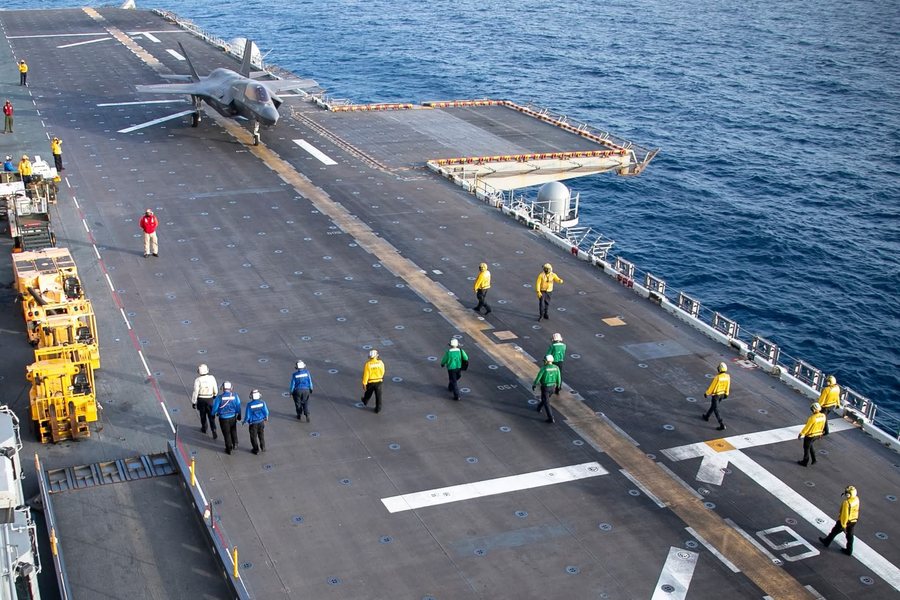
Experts say the blockade is more like a traffic control operation in the middle of a war zone, as Iran has shifted large amounts of oil offshore...
After the failure of peace talks in Islamabad over the weekend, the future of the fragile ceasefire between the US and Iran now appears to hinge on a 100-mile waterway between the Persian Gulf and the Arabian Sea.
The United States imposed a blockade on Iranian ports and coastal areas east of the Strait of Hormuz, which came into effect at 3pm (UK time) on Monday.
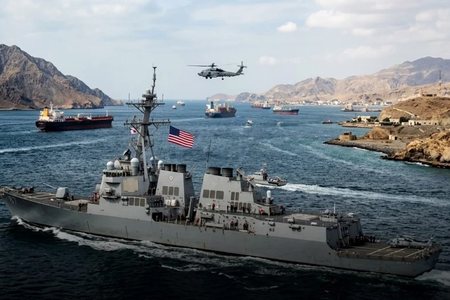
US Central Command warned that vessels would be subject to "interception, diversion and seizure" regardless of their flag. More than 15 US warships have been deployed to support the operation, a senior official told the Wall Street Journal.
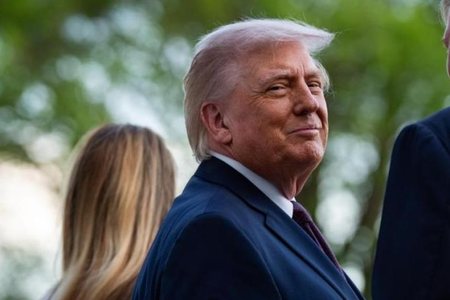
President Donald Trump threatened that ships sailing from Iranian ports would be subjected to "the same system of extermination that we use against drug traffickers at sea," referring to his administration's controversial attacks on boats off the coast of Venezuela.
Oil prices rose sharply in response to these threats, but the US military insisted that the move “would not impede” the movement of ships through the Strait of Hormuz. However, despite the rhetoric, a US-sanctioned Chinese ship, the “Rich Starry”, was seen sailing through the Strait on Tuesday, in open defiance of Trump’s blockade.
What exactly does the blockade involve?
In practice, the US president's blockade will hit ships departing from Iranian ports and coastlines, regardless of their country of origin. The US has made it clear that it will not target vessels that are not affiliated with Iran or its ports, but those that are will be stopped, diverted or seized.
However, the US leader has also ordered the Navy to strike ships that have paid Iran transit fees, including Chinese tankers and Indian cargo ships that are not parties to the conflict, says Professor Barry Appleton, co-chair of international law at New York Law School.
"The Strait of Hormuz is a small strait, threatened by mines, with active hostilities, and now the US Navy is being asked to police every ship entering or leaving Iranian ports. This is not a blockade. It is more like a traffic control operation in the middle of a war zone," he declares.
Is the blockade working?
Sipas të dhënave të trafikut detar të analizuara nga Kpler, 5 anije cisterna kanë kaluar përmes Ngushticës së Hormuzit që nga vendosja e bllokadës. Për të gjitha kategoritë - naftë, gaz i lëngshëm (LNG, LPG) dhe mallra të ngurta - një total prej 8 anijesh e kanë kaluar ngushticën mes datave 13 dhe 14 prill.
“Objektivi është të kufizohet aftësia e Iranit për të eksportuar naftë bruto, gjë që mund të çojë në ndalimin e prodhimit”, shprehet Johannes Rauball, analist i naftës për The Independent. Por sipas Kpler, Teherani duket se e ka zhvendosur naftën e tij në det të hapur në pritje të kufizimeve dhe vëllimet e naftës në transit mbeten gjithashtu të larta.
Këtë javë, “depozitimi lundrues” i naftës bruto iraniane - një metodë e prodhimit dhe ruajtjes së naftës dhe gazit në ujëra të hapura, larg tokës ose porteve - u rrit në 42 milionë fuçi, nga 38 milionë sa ishte të dielën e 12 prillit.
Me këtë term përkufizohen anije cisterna që transportojnë naftë, të cilat kanë qëndruar në vend ose kanë ulur shpejtësinë për të paktën shtatë ditë, në thelb duke “pritur udhëzime”. Për shkak se furnizimi me naftë iraniane po tejkalon kërkesën, disa anije cisterna nuk kanë mundur të shkarkojnë ngarkesën e tyre apo të gjejnë blerës.
“Megjithëse çdo reduktim i eksporteve iraniane do të godiste kryesisht Kinën, e cila thith pjesën dërrmuese të këtyre flukseve, disponueshmëria e përgjithshme e naftës iraniane pritet të mbetet e bollshme. Ne po vërejmë përqendrime të konsiderueshme të depozitimit lundrues pranë Kinës... Kjo do të thotë se Irani ka pak gjasa të preket nga bllokada në një të ardhme të afërt për shkak të vëllimeve të konsiderueshme që ndodhen tashmë në ujë”, shpjegon Rauball.
Për më tepër, “flota hije” e anijeve cisterna të Iranit përbën një sfidë tjetër për marinën amerikane, paralajmërojnë ekspertët e transportit detar. Kjo i lejon anijet e lidhura me portet që të kalojnë pa u pikasur duke përdorur metoda të sofistikuara.
Analisti i Chatham House, Neil Quilliam, thotë se është “shumë herët për të thënë” nëse bllokada e Trumpit ka qenë efektive. “Kalimi i anijes kineze tregon se disa pronarë anijesh dhe ekuipazhet e tyre kanë një tolerancë të lartë ndaj rrezikut dhe janë të gatshëm të testojnë SHBA-në, duke e kthyer këtë në një lojë se kush do të dorëzohet i pari. Por mbetet një lojë me rreziqe shumë të larta”, deklaron ai.
A mund të imponojë bllokada një përleshje ushtarake?
Profesori thotë se kjo strategji “përshkallëzon një konfrontim në një nga pikat më të brishta të botës, ku SHBA dhe ekonomia globale janë shumë më të ekspozuara se vetë Irani”. Irani ka kërcënuar se do të sulmojë partnerët e SHBA-së në Gjirin Persik nëse vazhdon ajo që ai e quan “pirateri”.
"This appears to be a 'tickle for tickle' move by the US," Quilliam explains. "At best, this will cause Iran economic problems to bring it back to the negotiating table. But this move alone will not convince the regime, as it has resisted sanctions for over 20 years," the expert adds.
In the worst case scenario, Iran would defy the blockade, leading to a new military confrontation that would include new Iranian attacks on energy infrastructure in the Gulf states, particularly Saudi Arabia. And this, according to Quilliam, would lead to an even greater increase in oil prices. / Pamphlet from “The Independent”



Lini një Përgjigje