


 Shkruar nga Pamfleti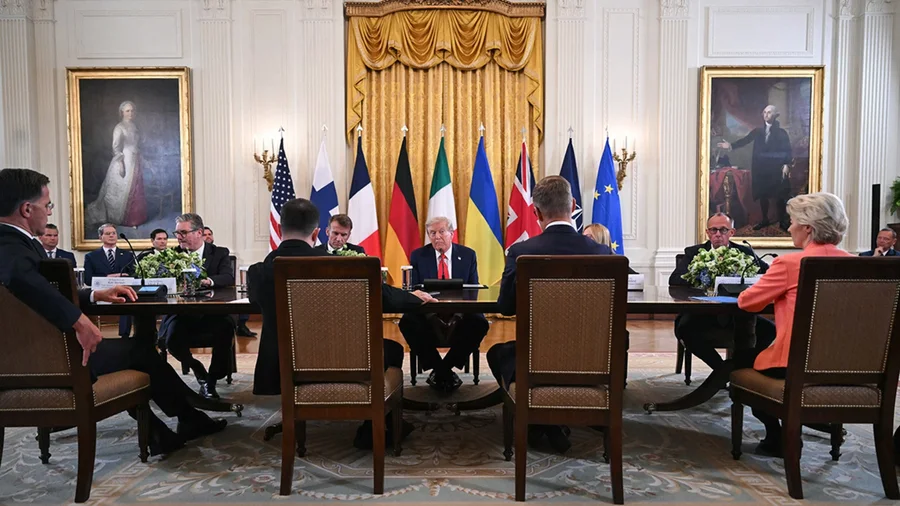
The Kremlin is concerned by the US president's increasingly serious stance on offering post-war defense commitments to Ukraine...
The transatlantic alliance survived a severe test on Monday. European leaders had arrived in Washington terrified, with suspicions that Donald Trump was aligning himself again with Vladimir Putin and would try to force Ukraine's Volodymyr Zelensky into an unfair and dangerous settlement.
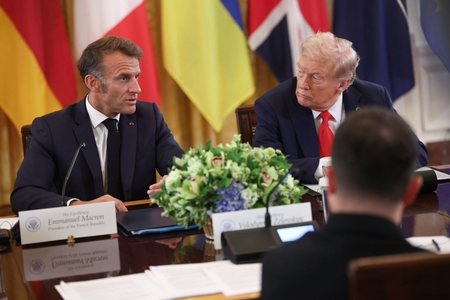
So leaders, including Britain's Keir Starmer, France's Emmanuel Macron and Germany's Friedrich Merz, shifted their agendas to fly in and act as a diplomatic phalanx around Zelensky, shielding him from what they feared could have been a repeat of the explosive confrontation in the Oval Office in February.
But it seems this time was different.
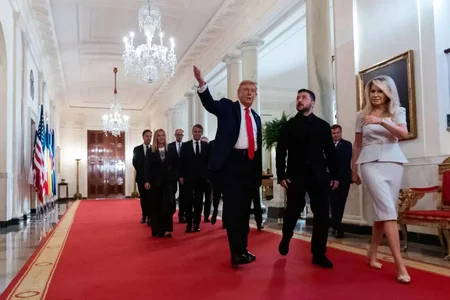
Zelensky wore a suit, closing off a potential avenue for harassment. He also politely handed Melania Trump a letter from his wife Olena, praising her for raising the issue of Ukraine's 20,000 kidnapped children with Putin.
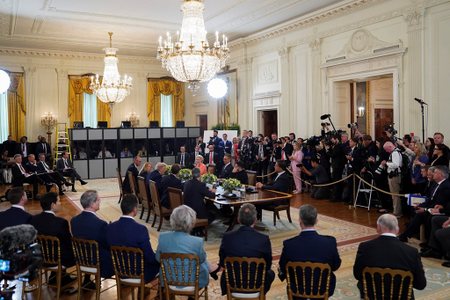
Prudent, reserved, and diplomatic! These are not words normally associated with Trump, but he had all three in front of the cameras at the press conference with the Ukrainian leader, as reporters peppered him with questions in the hopes of highlighting the divisions between the parties and pitting them against each other, particularly over whether Ukraine should be allowed to join NATO.
But neither of them took the bait. In fact, Trump seemed almost protective of Zelensky.
Asked about NATO membership and security guarantees for Ukraine, Trump accepted the question, stating firmly that nothing had been decided yet, indicating that this was something that would be discussed with European leaders, who were no doubt following him. Both nodded, and Zelensky was careful not to back down to the public pressure for NATO membership during the session with reporters.
Advancement in security
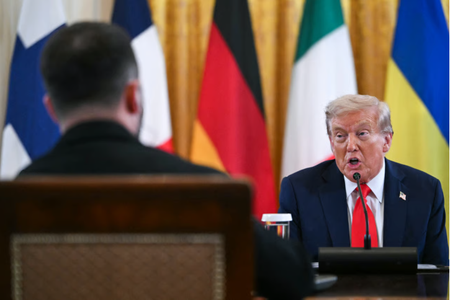
And why would he? He had just heard Trump offer what many observers see as a radical change, publicly announcing a seemingly large-scale U.S. security guarantee for Ukraine as part of any peace deal with Russia. “There’s going to be a lot of help when it comes to security. There’s going to be a lot of help. It’s going to be good,” Trump announced.
The US would offer Ukraine a "very good security guarantee," he continued, in case anyone had missed it.
Trump këmbënguli se vendet evropiane do të ishin “vija e parë e mbrojtjes” në ofrimin e garancive të sigurisë për Ukrainën, por kjo nuk do të thoshte se ato do të ishin vetëm. “Kombet evropiane do të marrin përsipër një pjesë të madhe të barrës. Ne do t’i ndihmojmë ata dhe do ta bëjmë atë shumë të sigurt”, tha ai.
Evropianët e kanë përshëndetur angazhimin publik të Trumpit që SHBA-të t’i bashkohen një marrëveshjeje sigurie të ngjashme me atë të NATO-s për Ukrainën, si një “përparim”.
Natyrisht, është ende shumë e paqartë dhe duket e pamundur që SHBA-të të duan të dhurojnë armë ose të dërgojnë trupa. Por diskutimi po kthehet përsëri te marrëveshjet mbështetëse, zbulimi, inteligjenca dhe marrëveshjet e mëdha të armëve.
Kremlini i tmerruar
Drejtimi serioz i diskutimeve mbi garancitë e sigurisë, kanë shkaktuar njëfarë shqetësimi në Kremlin, i cili po përsërit kërkesat e vjetra për mungesën e një roli për forcat e NATO-s.
Nuk është çudi, pra, që Zelensky e përshkroi takimin e tij kokë më kokë me Trumpin “më të mirin” deri më sot, ndërsa mbërriti në Dhomën Lindore të Shtëpisë së Bardhë për t'u bashkuar me udhëheqësit evropianë që po prisnin.
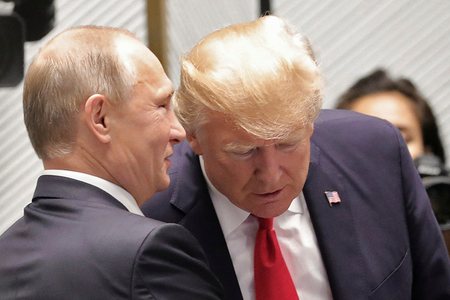
Pjesa më e madhe e lojës diplomatike si e ukrainasve ashtu edhe të rusëve që kur Trump u rizgjodh në presidencë ka qenë të shmangin shkaktimin e zemërimit të tij dhe ta portretizojnë njëri-tjetrin si pengesë për paqen. Dhe Trump nuk humbi kohë në një bisedë të vazhdueshme me Putinin për të treguar se përgjegjësia për garancitë e sigurisë i takon përsëri atij.
Në një veprim të jashtëzakonshëm, Trump ndërpreu bisedën e tij me udhëheqësit evropianë për të folur me Putinin për rreth 40 minuta. Presidenti finlandez Alexander Stubb i tha më vonë CNN se vendimi për të bërë telefonatën ishte “i koordinuar” me udhëheqësit evropianë, me Trumpin që “po testonte” idenë e një takimi dypalësh midis Zelensky dhe Putin me rusin.
Sipas raportimeve në median shtetërore ruse, Yuri Ushakov, një ndihmës i Kremlinit, tha se Putin e falënderoi udhëheqësin amerikan për samitin me të në Alaska të premten dhe foli në favor të vazhdimit të bisedimeve të drejtpërdrejta midis Ukrainës dhe Rusisë.
Trump në fakt po përpiqet ta çojë përpara procesin me një takim të dyfishtë Putin-Trump, i cili do të pasohet nga një takim trepalësh që përfshin vetë presidentin e SHBA-së. Kjo mund të ndodhë edhe para fundit të muajit, por ka shenja se Rusia mund të nxjerrë pengesa.
Ministria e Jashtme ruse ka paralajmëruar se nuk do të pranojë vendosjen e një kontingjenti ushtarak nga vendet e NATO-s në Ukrainë, duke thënë se një forcë e tillë do të ishte "e mbushur me pasoja të paparashikueshme". Pushtuesit, të paktën, nuk duket se mendojnë se Trump e ka hedhur poshtë një ide të tillë.
The Kremlin was almost certainly also unhappy to hear Trump support Zelensky’s position that the starting point for any discussion about territory should be based on, rather than being based on, existing front lines. Putin is pushing for any solution that gives him the “strip of fortresses” he has failed to capture in the eastern Donbass territory, giving him a springboard into the rest of the country, but Trump did not mention this.
"We also need to discuss possible exchanges of territory, taking into account the current line of contact. That means the war zone, the war lines that are now quite visible, very sad, actually, when we look at them, and the negotiating positions," he said.
The European side knows that Trump is fickle and is not taking anything for granted. Merz admitted that the process will now become more complicated. Before he arrived, Macron had noted that he did not believe that Putin wanted peace and was simply pushing for the complete capitulation of Ukraine.
A British official reacted to the meeting by saying there was "still a long way" to peace.
But Putin won't be smiling as smugly as he was in Alaska on Friday.
"In summary, it was a bad day for Putin with Western unity restored and the US back in its ranks," the British official added.
Before the meeting, no one would have taken this for granted. / Adapted from Politico /


Lini një Përgjigje