


 Shkruar nga Ivor Bennett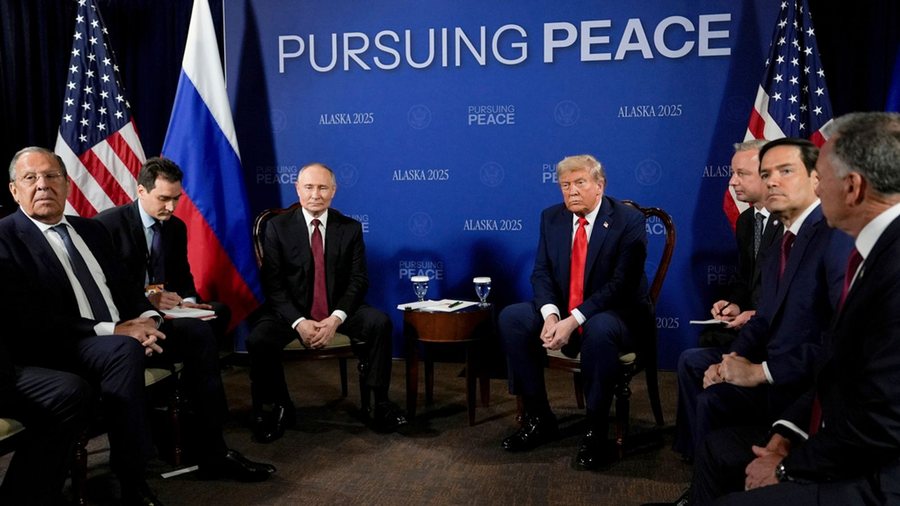
The high-profile diplomat's absence from a key meeting in the Kremlin and from the G20 delegation has fueled speculation that he is no longer at President Vladimir Putin's side...
In Soviet times, Western observers carefully examined video footage of state events, such as military parades in Red Square, to learn more about the Kremlin hierarchy.
Who was positioned closest to the leader? What did the body language indicate? Which officials were in favor and which were not?
In some ways, this way of observing hasn't changed much.
The footage that today's Kremlinologists are currently poring over is from Wednesday's historic meeting of Russia's Security Council, in which Vladimir Putin told his top officials to begin drafting proposals for a possible nuclear weapons test.
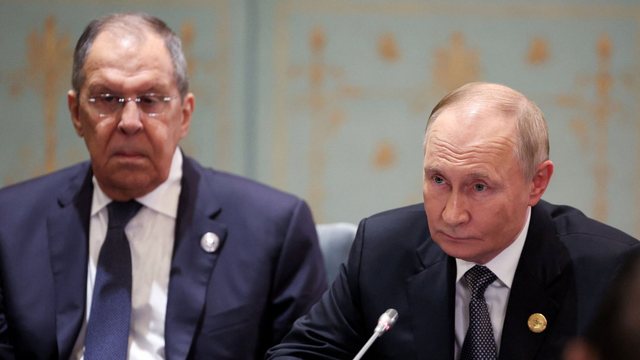
It was a momentous occasion. Not one a trusted lieutenant would want to miss. But Sergei Lavrov, Russia's veteran foreign minister, was conspicuously absent. He was the only permanent member of the Council not present.
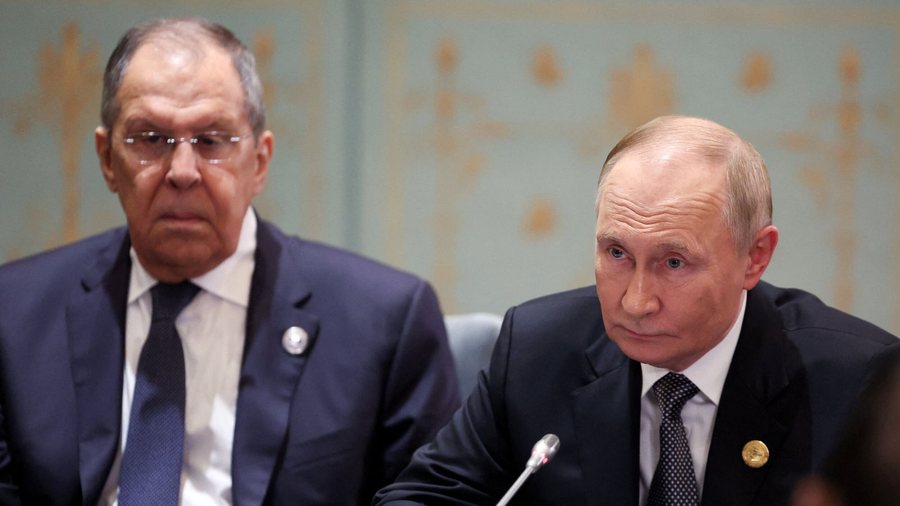
According to the Russian business daily Kommersant, his absence was "coordinated".
This episode alone would be enough to raise eyebrows.
But, along with the selection of a lower-ranking official to lead the Russian delegation to the upcoming G20 summit (a role that Lavrov has fulfilled in recent years), the question then arises: has Moscow's top diplomat been sidelined?
The question has become so loud that it forced the Kremlin to deny it, but it has done little to quell speculation that Lavrov has fallen.
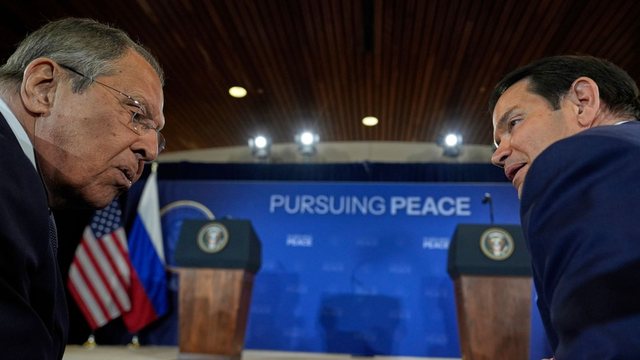
Rumors of a rift have been growing since Donald Trump canceled a planned summit with Putin in Budapest last month, following a phone call between Lavrov and US Secretary of State Marco Rubio.
According to the Financial Times, it was Lavrov's unwavering stance that prompted the White House to postpone the summit.
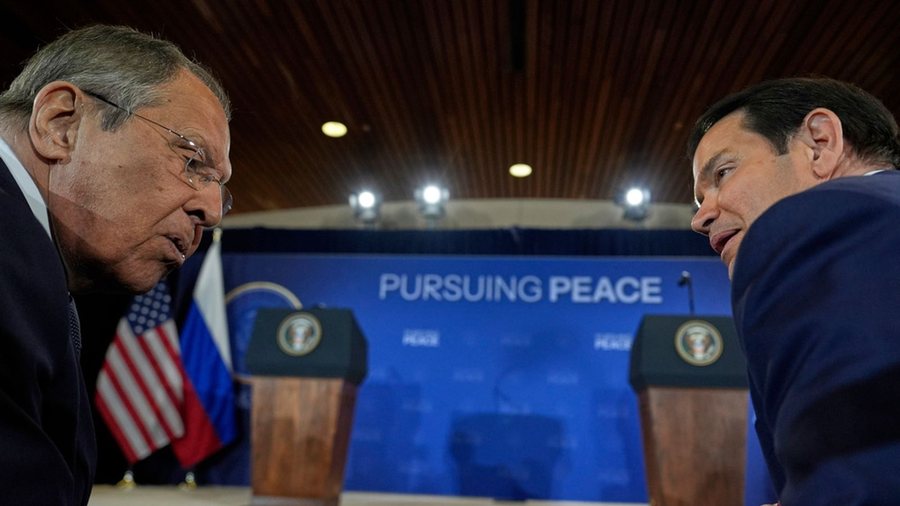
Conversations I had with diplomatic sources at the time revealed a conviction that Lavrov had either dropped the ball or gone off-script. Whether accidentally or intentionally, his diplomacy (or lack thereof) ruined the summit and apparently prevented a U.S.-Russia rapprochement.
That would have angered Putin, who is eager to engage with Washington, not just on Ukraine, but also on other issues, such as nuclear arms control.
Most importantly, perhaps, it made the Russian president look weak, unable to control his foreign minister. And Putin is not a man who likes to be undermined.
Football fans will be familiar with Sir Alex Ferguson's golden rule of management: never let a player grow bigger than the club. Putin operates in a similar way. Loyalty is extremely valued.
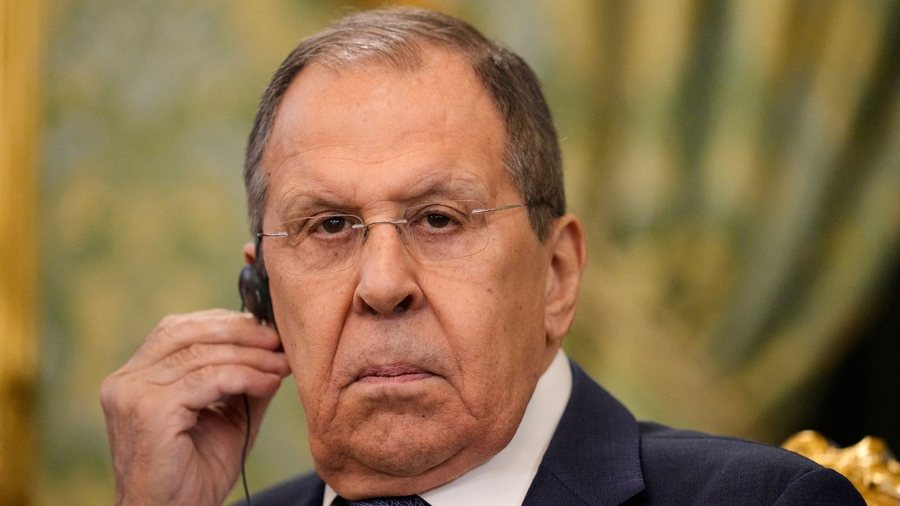
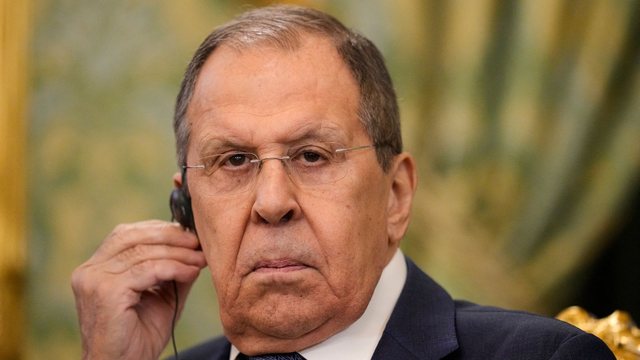
If Lavrov is indeed sidelined, it would be a very significant moment. The 75-year-old has been the face of Russian diplomacy for more than two decades and effectively Putin's right-hand man for most of the Kremlin leader's rule.
Known for his tough style and harsh criticism, Lavrov has also been a vocal supporter of Russia's invasion of Ukraine.
At the Putin-Trump summit in Alaska, he arrived wearing a T-shirt emblazoned with the initials "CCCP," the Russian letters for the USSR. The obvious message: Ukraine still belongs to Moscow.
And in the debate that immediately followed the presidents' press statements at the summit, I remember running up to Lavrov as he was leaving and shouting a question at him through the line of security guards.
He didn't even turn around. Instead, he just shouted again, "Who are you?"
It was typical of a heavyweight diplomat known for flouting orders. But has this no-compromise approach finally made its mark? /Adapted from Sky News/


Lini një Përgjigje