


 Shkruar nga Pamfleti
Trump's optimism faces two fundamental questions that will determine the fate of this strategy in a war that often seems without a clear goal or foreseeable end.
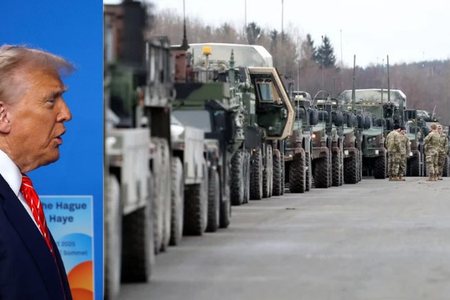
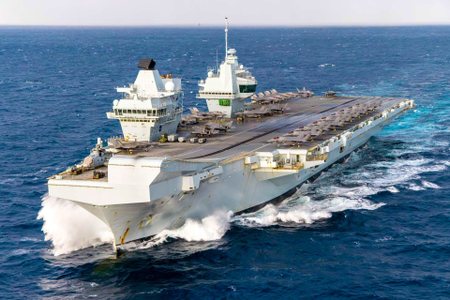
President Donald Trump's naval blockade represents the latest attempt to test a still-unproven theory in the war with Iran that superior U.S. power will inevitably force the Islamic Republic to surrender.
The strategy is based on a simple premise: choking off Iran's oil exports and the imports that support daily life will cause social collapse. This, the plan says, will create unbearable pressure on the regime to comply with US demands and ultimately abandon its nuclear program.
In Washington, this logic seems reasonable. Any state, whether a radical theocracy or a Western democracy, can collapse if it cannot provide access to the basics of life—food, energy, and jobs. When American officials see soaring inflation, massive job losses, and shortages in Tehran, they conclude that the two-week blockade is working.
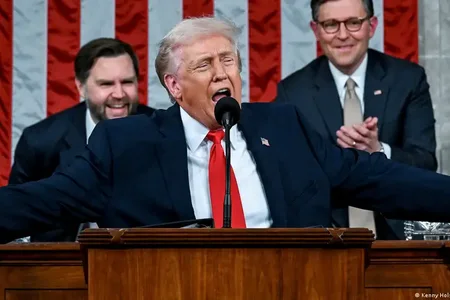
"The blockade is brilliant, okay? Their economy is in serious trouble. It's a dead economy," Trump declared on Wednesday. According to CNN, the president is so pleased with the plan that he has prepared advisers for the possibility that it could last much longer.
One reason is that this strategy increases pressure on Iran without risking American losses from ground operations or resuming intensive bombing, which proved insufficient to achieve a decisive outcome. Another reason is the restoration of the American advantage in the economic war, weakened after Iran caused a global crisis by closing the Strait of Hormuz. The American economy is much more powerful than Iran's, so the confrontation seems unequal. However, a powerful US-Israeli air strike destroyed the Iranian military, but failed to secure a strategic victory.
Trump's optimism faces two fundamental questions that will determine the fate of this strategy in a war that often seems without a clear goal or foreseeable end.
The first question is about duration: how long can Trump, Republicans, and the American public afford the rising costs of war, including fuel prices above $4 and a potential spike in inflation. Midterm voters are already expressing dissatisfaction with the high costs and economic performance.
The second question concerns the accuracy of the information and reasoning: is the plan based on realistic intelligence about conditions in Iran and an accurate assessment of the Iranian leadership's response? There is a well-known tendency in Washington to apply American logic to Middle Eastern societies that often react differently than American presidents predict.
Presidenti duket se po llogarit që udhëheqësit iranianë, në një teokraci me histori të sakrifikimit të popullsisë së vet, do të veprojnë mbi baza thjesht ekonomike ashtu siç mund të vepronte ai vetë në një situatë të ngjashme.
Një krizë në rritje në Iran
Ka gjithnjë e më shumë dëshmi se ekonomia iraniane ndodhet në vështirësi serioze. Sipas “The Wall Street Journal”, kostoja e luftës përfshin rreth një milion të papunë, rritje të ndjeshme të çmimeve të ushqimeve dhe një ndërprerje të internetit që ka goditur ekonominë online. Inflacioni është i përhapur dhe produkte bazë si mishi i kuq janë bërë të papërballueshme. Media në Lindjen e Mesme paralajmërojnë për mungesa në rritje dhe rreziqe për sigurinë ushqimore.
Ministri iranian i Naftës, Mohsen Paknejad, u bëri thirrje qytetarëve të ulin konsumin e energjisë. Ndërkohë, zyrat shtetërore janë urdhëruar të reduktojnë përdorimin e energjisë elektrike me 70% pas orës 13:00.
Sipas CNN, zyrtarët amerikanë po analizojnë të dhëna që sugjerojnë se ekonomia iraniane mund të mbijetojë vetëm për disa javë, në mos ditë. Trump ka deklaruar vazhdimisht se pamundësia e Iranit për të eksportuar naftë mund ta detyrojë atë të ndalojë prodhimin, duke rrezikuar dëmtime të mëdha në puset e naftës që do të kërkonin vite për t’u riparuar.
Alex Vatanka, studiues në Middle East Institute, vlerëson se bllokada mund të shkaktojë dhimbje të mëdha ekonomike që mund të përkthehen në opozitë politike të pakontrollueshme.
Megjithatë, ai thekson një element kyç: ky proces mund të zgjasë me muaj. “Duhet të kujtojmë se nuk kemi qenë kurrë në këtë situatë; është territor i panjohur. Bllokada është diçka që Irani nuk e ka përjetuar as gjatë luftës me Irakun.”, tha Vatanka.
Ai parashikon se mund të vijë një moment kur miliona punëtorë të dalin në rrugë duke kërkuar lehtësim. “Aty regjimi do të testohet në mënyra që nuk është testuar më parë kjo nuk do të thotë se nuk mund të mbijetojë, duke u mbështetur në represion. Por do të varet nga aftësia për të përballuar nivelin e zemërimit.”, tha ai.
Vatanka paralajmëron se përkthimi i krizës ekonomike në ndryshim politik kërkon organizim të protestave dhe dezertime brenda regjimit elemente që ende nuk janë materializuar.
Ndërkohë, Trump mund të mos ketë kohë të presë. Vlerësimet e tij publike janë në nivele historikisht të ulëta dhe republikanët shqetësohen për humbjen e Dhomës së Përfaqësuesve dhe një betejë të vështirë për Senatin në nëntor. Sa më gjatë të zgjasë lufta dhe të mbetet e mbyllur Ngushtica e Hormuzit, aq më i madh bëhet dëmi për ekonominë amerikane.
Psikologjia personale e Trump mund të luajë gjithashtu rol. Ai duket i fokusuar te trashëgimia e tij politike dhe projektet madhore që synon të realizojë në periudhën e mbetur në detyrë. Një humbje në një luftë me Iranin do të ishte një goditje e rëndë për një figurë që e sheh veten si fitues.
Si mund të dështojë bllokada
Even if Trump insists on continuing the strategy, there is a possibility that it is fundamentally flawed.
If the elimination of Supreme Leader Ali Khamenei did not force Iran to surrender and weeks of intense bombing did not break the leadership's resolve, it remains unclear why an economic crisis will.
The resilience and perseverance of the Islamic Republic have become well-known.
Iran has lived for decades under Western sanctions. It endured an eight-year war with Iraq in the 1980s that left an estimated one million dead. Whenever protests threatened to reach critical mass, the regime used force to suppress them.
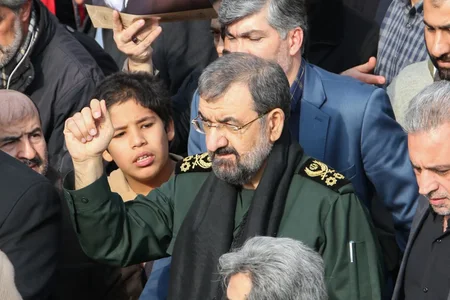
The regime's core, since the Islamic Revolution, has been resistance to the US, which it considers the "Great Satan." In this context, it may even choose social collapse rather than surrender to American demands.
Trita Parsi, vice president of the Quincy Institute for Responsible Statecraft, argues that the Trump administration is another case where the US mistakenly believes that economic pressure will force Iran to surrender.
"There is always the search for a 'magic bullet,' a pressure point that will force the Iranians to surrender or conform to American demands. And almost every time, this approach ends in disappointment," Parsi said.
Trump's belief also reflects a well-known trend in Washington, especially among conservatives, that the Iranian economy and regime are constantly on the verge of collapse.
"They just have to surrender. They have to say, 'We surrender, we surrender,'" the president said in the Oval Office.
If this happens, Trump could break a historic cycle and end the nearly half-century-long standoff between the US and Iran.
If it fails, this will show once again that the Islamic Republic's willingness to withstand sustained strikes can neutralize even the much greater American power./ Adapted from "Pamphlet", from "CNN"



Ore gomar,bllokada Po shkaterron boten e tere!te vetmin qe rregullohen Jane njerezit si te seres suaj,qe Po mbushni xhepat perdite!PSE s'te bie nje rruge te te djegi,te te perveloi me fare e me fis