


 Shkruar nga Pamfleti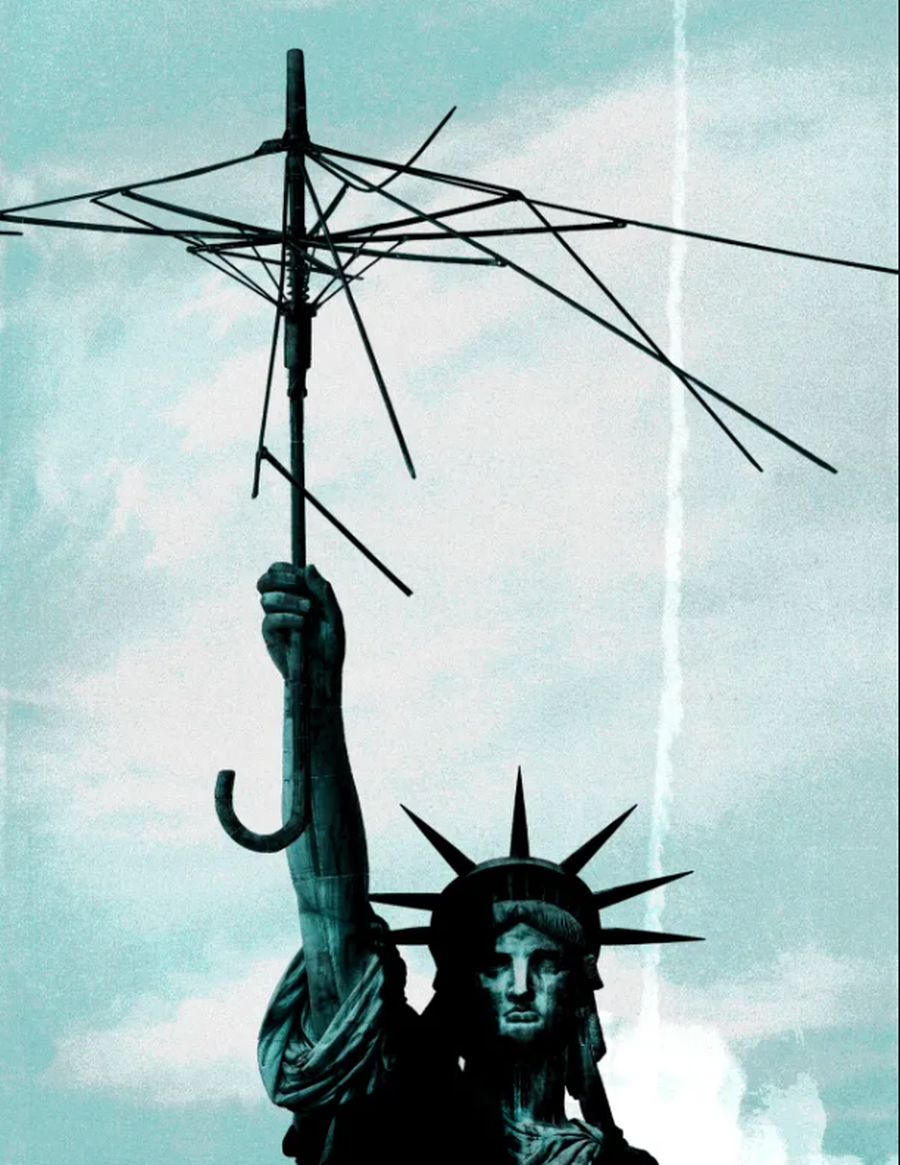
Is the American "nuclear umbrella" fading? Changing global security balances and challenges for US allies
For more than seven decades, the security system built by the United States has been one of the main pillars of international stability. At the heart of this system has been the concept of extended nuclear deterrence, according to which Washington guaranteed the protection of its allies in Europe and Asia even with the use of its own nuclear arsenal. This commitment became the main reason why countries such as Germany, Japan and South Korea did not develop nuclear weapons.
However, the geopolitical changes of recent decades, the return of great power competition, and the transformation of American foreign policy have raised a fundamental question: does this promise still remain credible?
The end of a Cold War logic
During the Cold War, the credibility of the American nuclear umbrella rested on the fact that a Soviet victory in Europe would fundamentally alter the global balance of power. For this reason, the United States was willing to accept the risk of nuclear escalation to protect its allies.
Today the picture is quite different. Russia remains a serious threat to European security, while North Korea continues to develop its nuclear capabilities, but the conflicts are no longer perceived in Washington as existential battles for world order. They are considered mainly regional crises.
In this context, a dilemma arises that has long troubled even American allies: would the US really risk the destruction of its cities to defend Warsaw, Seoul, or Riga?
ForeignAffairs' analysis argues that the answer has become increasingly less convincing.
"America First" policy and its impact on American credibility
One element that has accelerated these doubts is the evolution of American foreign policy, especially during the administrations of Donald Trump.
Rhetoric that places American national interests above traditional obligations to allies has created the perception that security guarantees are no longer unconditional. Criticism of NATO, demands for increased European military spending, and signals of a gradual retreat from the traditional role of "global security guarantor" have fueled insecurity in many allied capitals.
Even if future administrations were to return to a more traditional approach, the authors estimate that the former trust will be difficult to fully restore. Allies have realized that American strategic orientation can change with each new administration.
South Korea: the most urgent dilemma
No region better illustrates this change than the Korean Peninsula.
Që prej testit të parë bërthamor të Koresë së Veriut në vitin 2006, Pheniani ka ndërtuar një arsenal që vlerësohet të përfshijë dhjetëra armë bërthamore dhe vazhdon ta modernizojë atë. Paralelisht, zhvillimi i raketave ndërkontinentale ka rritur mundësinë që edhe territori amerikan të vihet drejtpërdrejt nën kërcënim.
Nëse qytetet amerikane bëhen objektiva të mundshëm të një kundërgoditjeje bërthamore, lind pyetja nëse një president amerikan do të ishte i gatshëm të përdorte armë bërthamore për mbrojtjen e Koresë së Jugut.
Pikërisht kjo pasiguri ka nxitur debat të gjerë në Seul mbi tre alternativa kryesore: rikthimin e armëve taktike amerikane në territorin korean; krijimin e një sistemi të ndarjes bërthamore të ngjashëm me atë të NATO-s; ose zhvillimin e një arsenali kombëtar bërthamor.
Sondazhet e viteve të fundit tregojnë se shumica e qytetarëve të Koresë së Jugut mbështesin tashmë opsionin e tretë.
Autorët argumentojnë se Seuli zotëron pothuajse të gjithë infrastrukturën teknologjike të nevojshme për një forcë bërthamore moderne: nëndetëse, raketa balistike dhe një industri bërthamore shumë të zhvilluar. Pengesa kryesore mbetet politike dhe diplomatike, jo teknike.
Evropa kërkon më shumë autonomi
Debati është po aq i rëndësishëm edhe në Evropë.
Pushtimi rus i Ukrainës riktheu frikën e një konflikti të drejtpërdrejtë me Moskën dhe nxori në pah varësinë e madhe të NATO-s nga kapacitetet bërthamore amerikane.
Megjithëse Polonia dhe vendet baltike kërkojnë garanci më të forta sigurie, zhvillimi i armëve të tyre bërthamore konsiderohet shumë më pak realist sesa në rastin e Koresë së Jugut. Atyre u mungojnë kapacitetet industriale, infrastruktura dhe sistemet e avancuara të shpërndarjes së armëve.
Për këtë arsye, autorët propozojnë një alternativë tjetër: forcimin e rolit të Francës dhe Mbretërisë së Bashkuar në arkitekturën bërthamore të NATO-s.
Sipas kësaj ideje, arsenalet franceze dhe britanike do të integroheshin më ngushtë në mekanizmat e aleancës, duke krijuar një sistem me "tre çelësa", ku vendimi për përdorimin e armëve bërthamore nuk do të varej vetëm nga presidenti amerikan, por edhe nga udhëheqësit e Parisit dhe Londrës.
Një model i tillë do të rriste besueshmërinë e parandalimit pa kërkuar që shtete të reja të pajiseshin me armë bërthamore.
Rreziku i një gare të re bërthamore
Megjithëse këto propozime synojnë forcimin e sigurisë, ato hapin edhe dilema të reja.
Nëse gjithnjë e më shumë aleatë humbasin besimin tek ombrella amerikane dhe vendosin të ndërtojnë arsenalet e tyre, regjimi ndërkombëtar i mospërhapjes së armëve bërthamore mund të përballet me sfidën më të madhe që nga krijimi i tij.
Një valë e re proliferimi nuk do të kufizohej vetëm në Azi apo Evropë. Edhe vende të tjera mund të nxirren në përfundimin se garancia më e sigurt për mbijetesën kombëtare mbetet posedimi i armëve bërthamore.
The authors acknowledge that this development would increase short-term risks, but argue that continuing a system that is no longer perceived as fully trustworthy could be even more dangerous. A deterrent that relies on unreliable promises could fail at the very moment of crisis.
The extended nuclear deterrent system, built during the Cold War, is facing a credibility crisis.
Changing American strategic interests, the development of rivals' nuclear capabilities, and the transformation of the global security architecture are pushing allies to seek more autonomous defense models.
The challenge is no longer whether this transformation will happen, but how it will be managed. Rather than trying to preserve a model created for a reality that no longer exists, Washington should help allies build new deterrence mechanisms, adapted to the conditions of the 21st century.
In this perspective, the future of Euro-Atlantic and Indo-Pacific security may depend less on a single American umbrella and more on the sharing of strategic responsibilities among the allies themselves. / Pamphlet adapted from Foreign Affairs/






Lini një Përgjigje