


 Shkruar nga Pamfleti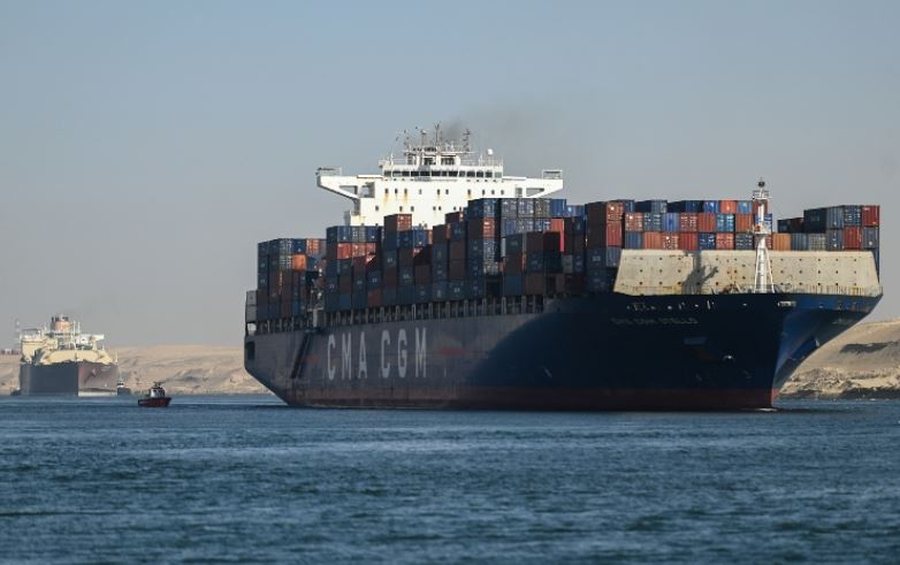
The European Union spent more money in 2024 buying Russian oil and gas than on financial aid to Ukraine, a report published yesterday shows, on the third anniversary of the Russian invasion of Ukraine.
According to the Center for Research on Energy and Clean Air (Crea), by the end of the third year of the war, the EU had purchased 21.9 billion euros of oil and gas from Russia, despite efforts by European countries to reduce their dependence on Russian fuel, the sale of which Moscow finances the war in Ukraine.
At the same time, the EU sent 18.7 billion euros in financial aid to Ukraine last year, according to the Kiel Institute for the World Economy in the German city of Kiel.
"Buying Russian fossil fuels is, quite clearly, akin to sending financial aid to the Kremlin and enabling its invasion. This is a practice that must stop immediately to guarantee not only the future of Ukraine, but also the energy security of Europe ," said analyst and one of the report's authors, Vaibhav Raghunandan, according to the British Guardian.
The researchers collected trade data to estimate the value of Russian fuel sold worldwide during the third year of the war. Data for February 2025 is not yet available, but the estimate is based on imports from January.
The report states that Russia's total global revenues from fossil fuel exports in the third year of the war were 242 billion euros and that since the beginning of the occupation in February 2022, they have reached 847 billion euros.
Russia gets up to half of its tax revenue from the oil and gas sector, while trying to circumvent sanctions by transporting fuel in old and unsecured tankers, the so-called “shadow fleet.” These ships bring Russia about a third of its revenue from fossil fuel exports, according to (Crea).
The measures against the "ghost tankers" are part of the 16th package of sanctions imposed on Russia by the EU yesterday.
According to an assessment by researchers at Crea, Russia's oil and gas revenues could fall by 20 percent by tightening existing sanctions and closing loopholes, such as those in refining that allow EU countries to buy Russian oil products refined elsewhere. They also propose limiting the flow of gas through the TurkStream pipeline.
The report also calls for reducing imports of liquefied natural gas (LNG) from Russia.
Christoph Trebes, an economist at the Kiel Institute, said there was a striking difference between the aid donors raised for the war in Ukraine and in several previous wars, noting that European donors spend on average less than 0.1 percent of GDP per year on it.
"Many countries have been more generous in past conflicts. Germany, for example, raised much more aid for the liberation of Kuwait in 1990/91 than for Ukraine in a comparable period of time ," he said./ Adapted by "Pamphlet" from "Danas"


Lini një Përgjigje