


 Shkruar nga Pamfleti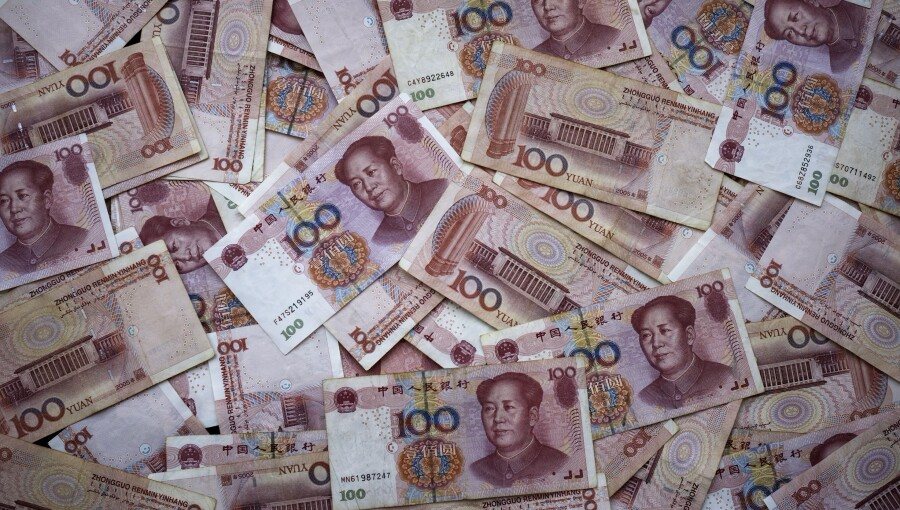
Montenegro borrowed nearly 1 billion euros from China for a highway project so expensive that it threatened to overwhelm the small Balkan state's finances. At one point, China held a quarter of Montenegro's debt...
In the past two decades, China has emerged not only as the world's second-largest economy after the United States, but also as a dominant force in global infrastructure financing. At the center of this global expansion in recent years is Beijing's Belt and Road Initiative (BRI), a multi-trillion-dollar project that, at least on the surface, aims to improve connectivity and international cooperation across Asia, Africa, and even Europe.
While the BRI has built roads, railways and ports in some of the world's most underdeveloped regions, it has also led to growing concerns about so-called 'debt trap diplomacy' - a method by which China is accused of luring developing countries into taking out massive infrastructure loans that they ultimately cannot repay.
For the nations affected, this results in economic dependence on China and often in the surrender of strategic assets – or both. While Beijing insists that the BRI is beneficial to both sides, critics point to real-world examples where Chinese lending in small print has left countries in a worse state than when they started.
Two of the best examples of this are in Asia.
Sri Lanka
Sri Lanka’s experience has become emblematic of what many now see as the dangers of falling into Chinese debt. In 2007, Colombo turned to China for help in financing an ambitious Hambantota Port project. Essentially a deep-sea facility on the island’s southern coast that would allow Sri Lanka to function as a refueling point for ships crossing the Indian Ocean, as well as a potential LNG storage facility in the years to come, the port was built largely on Chinese loans. Construction was carried out to some extent at least by Chinese companies. But after opening, the port quickly ran into problems. Despite its ideal location near the main Indian Ocean shipping corridors, Hambantota has to date failed to attract significant maritime traffic and is operating at only a fraction of its potential capacity, making it the proverbial white elephant in a country that is barely able to keep its head above water economically.
As such, by 2017, and saddled with a debt of over $1 billion related to the project, Sri Lanka had no choice but to lease the port, as well as 15,000 hectares of land nearby, to China Merchants Port Holdings. The irony that this lease agreement also came with a 99-year term and was being reached with the country that had only 20 years earlier regained Hong Kong in a similar deal with the United Kingdom, did not go unnoticed by Asia observers. The Chinese had come full circle and were now leasing former British colonial possessions. Although the Sri Lankan government denied that handing over the port constituted a loss of sovereignty, the symbolism was stark. Critics in Colombo and elsewhere said it illustrated how Beijing could exploit debt to gain control over key infrastructure in foreign countries.
While China rejected the 'debt trap' narrative, arguing in the process that Sri Lanka's financial problems were largely due to poor management of the domestic economy, the episode raised alarm bells across the developing world.
Bangladesh
Bangladesh to the northeast of Sri Lanka is itself a growing South Asian economy with a strategic location at the mouth of the Bay of Bengal and has been more cautious in its relations with China.
While Dhaka is a BRI partner and has accepted Chinese funding for several infrastructure projects, including the Padma Bridge rail link and power plants, it has also tried to maintain a balance by engaging with Japan, neighboring India, and Western donors. Russia is also a key partner, particularly in the form of a much-needed nuclear power plant nearing completion west of the Bangladeshi capital.
In recent years, Bangladeshi officials have shown a keen awareness of Sri Lanka's experience. Chinese-funded projects have been scrutinized more carefully, and Dhaka has resisted calls for China to build a deep-sea port at Sonadia, opting instead for a Japanese-backed project at Matarbari in the north.
This change suggests that Bangladesh is eager to avoid over-reliance on Chinese loans, fearing the geopolitical constraints that would come with it.
Still, China remains one of Bangladesh’s top trading partners and a key source of foreign investment – and China is playing the long game. So far, Beijing has seen losses, but over time it will have a new approach. The challenge for Dhaka, as for many developing countries, is to harness the benefits of Chinese capital while preserving its sovereignty and, in particular, its fiscal health.
Beyond Asia: a pattern emerges
Problemet e hasura në Sri Lanka dhe Bangladesh nuk janë të izoluara. Në të gjithë Afrikën, Amerikën Latine dhe Paqësorin, vende të shumta janë përballur me pasojat komplekse të borxhit kinez.
Në Zambia, raportohet se kreditë kineze kanë financuar infrastrukturë në shkallë të gjerë, siç janë aeroportet, rrugët dhe termocentralet. Por, ndërsa detyrimet e ripagimit u rritën, Lusaka luftoi për të përballuar borxhin e saj dhe u bë vendi i parë afrikan që dështoi të paguante borxhin gjatë pandemisë COVID-19 në vitin 2020.
Edhe pse nuk i atribuohen vetëm Kinës, kreditë kineze përbëjnë një pjesë të konsiderueshme dhe negociatat për lehtësimin e borxhit kanë rezultuar komplekse dhe joproduktive.
Diku tjetër, kombe më të vogla si Laosi dhe Mali i Zi janë përballur me vështirësi të ngjashme. Laosi mori hua të mëdha nga Kina për të financuar një linjë hekurudhore me shpejtësi të lartë që e lidh atë me Kinën jugore, duke ngritur frikën se vendi pa dalje në det mund të bëhet tepër i varur nga Pekini për tregti dhe siguri. Ndërkohë, Mali i Zi mori hua gati 1 miliard euro nga Kina për një projekt autostrade aq të kushtueshëm sa kërcënoi të mbingarkonte financat e shtetit të vogël ballkanik. Në një moment, Kina mbante një të katërtën e borxhit të Malit të Zi.
Për shkak të këtyre shembujve, argumentohet se huadhënia e Kinës nuk ka të bëjë thjesht me ekonominë. Ndërsa Pekini shpesh e mban lart BRI-në në terma të bashkëpunimit fitimprurës për të dyja palët, kritikët sugjerojnë se ajo është pjesë e një strategjie më të gjerë për të ndërtuar ndikim politik dhe për të siguruar akses në burime, tregje dhe baza ushtarake.
Në këtë kuptim, infrastruktura nuk është vetëm një mjet zhvillimi, por një instrument gjeopolitik. Portet në Sri Lanka, Pakistan dhe Xhibuti - megjithëse në dukje komerciale - mund të mbështesin logjistikën detare. Rrugët e ndërtuara nga kinezët në Azinë Qendrore dhe Afrikë përmirësojnë aksesin jo vetëm për mallrat, por edhe për ndikimin politik dhe ushtarak kinez. Kamboxhia, Xhibuti dhe Taxhikistani tashmë presin një numër të kufizuar trupash kineze në pjesë strategjike të botës.
Ndërkohë, Pekini pretendon se investimet kineze mbushin një boshllëk jetësor në infrastrukturë në Jugun Global, duke shtuar se shumë nga këto projekte sjellin përfitime të prekshme, siç janë vendet e punës, energjia dhe lidhjet e transportit.
Megjithatë, shqetësimi kryesor nuk qëndron te vetë angazhimi kinez, por te mënyra se si strukturohet një angazhim i tillë. Shumë kredi kineze nuk janë koncesionare, të kolateralizuara me burime natyrore ose asete që gjenerojnë të ardhura. Fakti që këto nënshkruhen pa një debat publik vetëm sa përkeqëson armiqësinë afatgjatë që ndiejnë vendet pritëse dhe rrit rreziqet e korrupsionit dhe borxhit të paqëndrueshëm.
To this end, lenders such as the IMF and the World Bank have begun calling on borrowing countries to ensure greater transparency in their financial arrangements with China, while at the same time Western countries have launched alternative initiatives, such as the G7 Partnership for Infrastructure and Global Investment.
The challenge now for countries like Sri Lanka, Bangladesh and others in the Global South, Africa and elsewhere is to strike a delicate balance. Investments in many regions and sectors are urgently needed, but must be agreed only without compromising economic independence or national sovereignty. /Adapted from Pamphlet by IntellNews/






Lini një Përgjigje