


 Shkruar nga Pamfleti
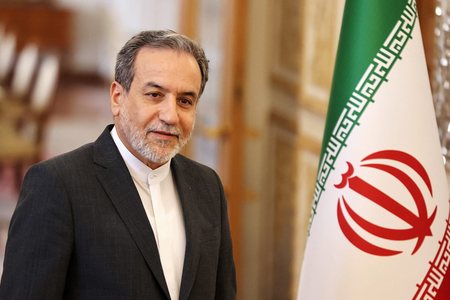
Iran's top negotiators are in Qatar as part of efforts to advance indirect talks between Tehran and the United States, as Doha increasingly emerges as a key mediator in the diplomatic process. According to Iranian media, Foreign Minister Abbas Araghchi and Parliament Speaker Mohammad Bagher Ghalibaf are holding meetings to discuss the most sensitive unresolved issues, with the aim of reaching a memorandum of understanding between the parties.
The Iranian delegation also includes the Governor of the Central Bank, a development that is interpreted as a signal that discussions are also on the table on the unblocking of Iranian assets abroad. This remains one of Tehran's main demands in the context of any possible agreement with Washington.
Diplomatic sources told Al Jazeera that more complex issues, including the nuclear program and highly enriched uranium, have been left for a later stage of the negotiations. For now, the focus of the parties remains on confidence-building measures and reducing regional tensions.
One of the most sensitive topics continues to be the Strait of Hormuz, a strategic corridor for global energy trade. Iranian Foreign Ministry spokesman Esmaeil Baghaei said that the issue of navigation in this area is related to coordination between Iran and Oman. He stressed that Tehran has provided security services for ships passing through the strait.
Meanwhile, the Omani Foreign Ministry announced that its Foreign Minister, Badr Albusaidi, held a telephone conversation with the Prime Minister and Foreign Minister of Qatar, Sheikh Mohammed bin Abdulrahman bin Jassim Al Thani.
According to the official announcement, the call took place within the framework of regional consultations and coordination of positions on key security and diplomatic issues in the region. The two officials also discussed ways to support efforts aimed at achieving a "desired consensus", including the full resumption of maritime navigation through the Strait of Hormuz.
Analyst Omar Rahman, a fellow at the Middle East Council on Global Affairs, called the presence of the Iranian delegation in Qatar a "positive sign," although he warned that key obstacles still remain unresolved.
"Iran has gained considerable influence through its de facto control over a significant part of the global economy," Rahman told Al Jazeera. According to him, Tehran aims to use its strategic position in the Strait of Hormuz as a long-term instrument of influence, an approach opposed by both regional countries and the United States.
Rahman added that one aspect that has received less attention is that of war reparations, suggesting that Iran may have shown flexibility in this regard during the discussions. However, he said the negotiations remain complex and an agreement does not yet appear close.
"There are still many issues on the table that require discussion and resolution," he said.


Lini një Përgjigje