


 Shkruar nga Pamfleti
Iran's supreme leader communicates through a complex network of intermediaries as negotiations with the US face delays
Iran's supreme leader, Mojtaba Khamenei, is in a secret location and communicates through a complex network of couriers, CBS News reported, citing US officials and US intelligence sources.
Khamenei was reportedly wounded during the US-Israeli strikes as part of Operation Epic Rage and has not been seen in public since the war began. US media say he has taken tight security measures to avoid similar assassination attempts to those that reportedly led to the assassination of his father, Ali Khamenei.
CBS News emphasizes that communication with the Iranian leader is only possible through a "labyrinth of intermediaries," which is also creating serious difficulties in the negotiation process between Washington and Tehran.
According to US officials quoted by the network, the highly secretive communications structure is slowing the exchange of information between Iranian negotiators and the country's supreme leadership. As a result, the details of a potential deal between Iran and the US are being delayed.
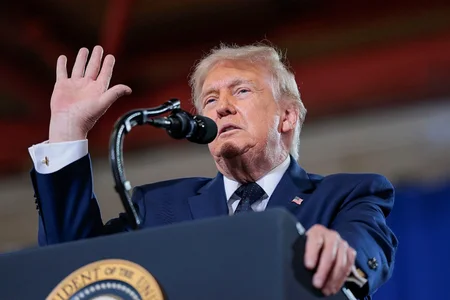
A senior Trump administration official told CBS that Khamenei had approved in principle the framework of the current agreement before the publication of a post by US President Donald Trump on the Truth Social platform, where he said he expected a final response "within the next few days."
"That's why you hear statements like: 'The Supreme Leader has approved the framework' or 'We are waiting for a response on the final points of the agreement.' The information that reaches him is often delayed and his reactions take time," an official told CBS News.
Ali Khamenei was reportedly assassinated on February 28, the first day of the US-Israeli war against Iran. Mojtaba Khamenei, who was also wounded in the attacks, was named his successor in March, but has not appeared in public since then and there have been no official statements or audio messages from him.
CBS News also reports that other senior Iranian officials are also in hiding. According to American sources, Iranian leaders spend weeks in bunkers and avoid direct communication with each other for security reasons.
"It's almost like watching a sitcom when they're trying to find ways to communicate with each other. They're completely frustrated," a US official told the television network.
The report adds that the US and Israel used information obtained from inside the Iranian state apparatus to identify and eliminate key parts of the Iranian senior leadership during the conflict.



Lini një Përgjigje