


 Shkruar nga Pamfleti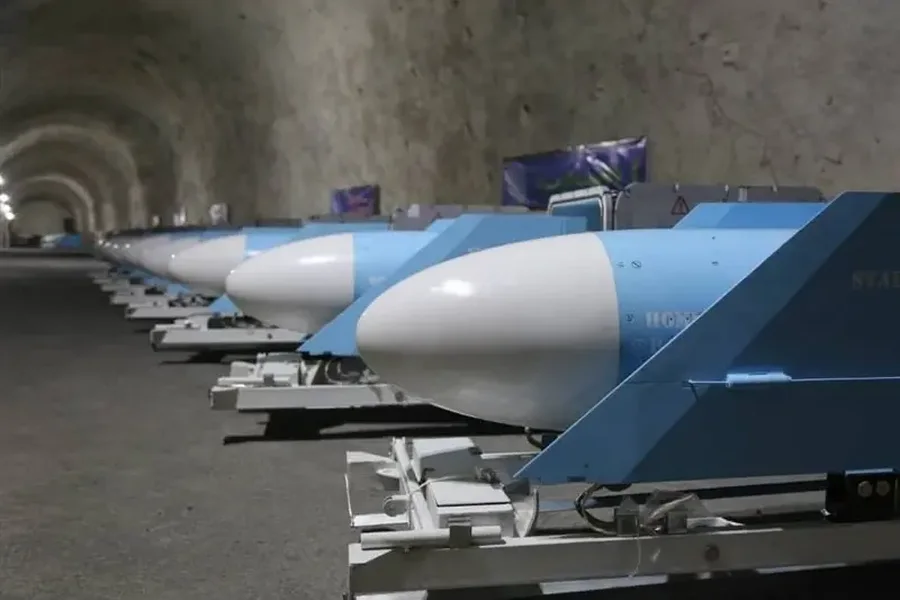
The attack on the Prince Sultan base and the weaknesses in the protection of American military installations in the region...
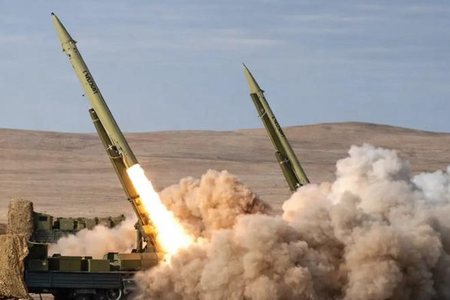
The latest Iranian attack on the Saudi Prince Sultan Air Base, located in Al Kharj, not far from Riyadh, damaged “several KC-135 tanker aircraft” present at the site and destroyed an E-3 “Sentry” AWACS (Airborne Warning and Control System) aircraft. The attack, according to reports, was carried out with a mixture of unspecified ballistic missiles and Shahed-136 “one-way” drones, and it seems that the strike on the AWACS was carried out precisely by one or more of the latter.
The action is identical to a previous one, carried out on March 6, in which unspecified tanker aircraft were again damaged. Prince Sultan Air Base is located about 600 km from the Iranian coast, near the capital, and precisely because of this advanced position it is strategic for US air operations, housing tanker aircraft, AWACS vehicles and signals intelligence (SIGINT) collection capabilities. Due to the American presence, the base has been the target of Iranian air strikes on several occasions recently, which have also caused the deaths of US soldiers stationed there.
Iran, since the immediate beginning of hostilities, has demonstrated its ability to strike military bases in the region, including American ones, by targeting them with ballistic missiles and “one-way” drones. In this way, it has also focused on trying to degrade the adversary’s surveillance capabilities, attacking and in some cases destroying detection and tracking radars such as the AN/TPY-2 at Muwaffaq al-Salti in Jordan and the AN/FPS-132 – an early warning radar – in Qatar, the latter purchased by the Emirates in 2013. Patriot battery fire control radars have also been hit, as have satellite links.
The scheme is clear: Iran is trying, on the one hand, to reduce the United States' ability to "see" and, on the other, its more general ability to strike, through attacks on tanker aircraft. Putting "some" of the latter out of service means that fighter jets must reduce the pace of their missions.
This satellite imagery is noteworthy. It appears to show at least two precise impact points on a large bunker used by US forces at Al Udeid Air Base in Qatar ????????, located at 25°06'45.71"N 51°20'43.17"E.
— Egypt's Intel Observer (@EGYOSINT) March 13, 2026
Curious which munitions were used in that strike. https://t.co/unbsGZmZUc pic.twitter.com/CItRQjA9gr
Tenders for housing
The War Zone raporton se Komanda Qendrore e Shteteve të Bashkuara (CENTCOM) po kërkon zgjidhje më efektive për të mbrojtur trupat dhe kapacitetet e veta operative. Këtë javë, Komanda dhe njësitë e saj vartëse kanë publikuar dy tenderë të drejtuar kompanive që janë në gjendje të projektojnë dhe të furnizojnë infrastrukturë të përforcuar, përfshirë strehime nëntokësore dhe bunkerë. Një nevojë që është shfaqur pasi 13 ushtarë amerikanë janë vrarë, mbi 300 janë plagosur dhe infrastruktura e pajisjet, si sistemet radarike dhe avionët e përmendur më sipër, janë shkatërruar ose dëmtuar që nga fillimi i operacionit Epic Fury, më 28 shkurt. The New York Times raporton gjithashtu se sulmet kanë qenë “aq intensive” sa kanë detyruar një pjesë të personelit të zhvendoset në hotele dhe struktura të tjera civile, duke punuar në thelb në distancë, me përjashtim të pilotëve dhe personelit të terrenit.
Javën e kaluar, AFCENT (U.S. Air Forces Central) ka shpallur një tender për të gjetur kompani ndërtimi në gjendje të forcojnë mbrojtjen e forcave në bazën ajrore Al Udeid në Katar, instalimi më i madh ushtarak amerikan në Lindjen e Mesme. Në tender, siç kujton sërish The War Zone, përfshihet kërkesa për ndërtimin e strukturave shtesë, përfshirë zyra administrative, qendra komande dhe kontrolli, struktura për gatishmëri operative dhe mbështetje jetike për personelin e specializuar, ashensorë dhe një parkim shumëkatësh. Ndërkohë, CENTCOM ka kërkuar struktura të parafabrikuara të projektuara për të mbrojtur personelin nga shpërthimet dhe copëzat, të cilat duhet të dorëzohen në terminalin e mallrave të aeroportit ndërkombëtar King Hussein në Aqaba, Jordani, duke shprehur kështu një urgjencë të caktuar që reflektohet në dorëzime brenda 3, 15 dhe 30 ditësh.
Lind tani pyetja se përse është kuptuar vetëm tani brishtësia e instalimeve ushtarake amerikane në Lindjen e Mesme, ndërkohë që operacionet luftarake kishin nisur prej kohësh. Që shumë kohë para datës 28 shkurt, aftësia e Iranit për të goditur në distanca të mëdha me raketa balistike dhe sidomos me dronë “one way” ishte e njohur: Izraeli ishte vënë nën presion nga një seri sulmesh të shpeshta në vitet e mëparshme që kishin treguar efektivitetin e kësaj mundësie. Me gjasë, pikërisht ato sulme, që dëmtuan burimet ushtarake izraelite por jo në mënyrë të rëndë, dhe forcimi i mbrojtjes ajrore të Tel Avivit nga ana e SHBA-së, kanë çuar në një mbivlerësim të aftësisë amerikane për të mbrojtur instalimet ushtarake.
Mbetet veçanërisht befasuese organizimi i dobët i infrastrukturës ushtarake amerikane në rajonin e Lindjes së Mesme, të paktën në ato baza që janë goditur dhe në ato për të cilat është bërë i nevojshëm blerja urgjente e mbrojtjeve.
Masat që merreshin dikur
If we were to look at the structure of an air base during the Cold War, we would notice a very different configuration from the current bases in the Middle East used by the US Air Force. First of all, in the event of combat operations with the risk of a response from the adversary, the aircraft would be distributed over many parking points, located in groups, at considerable distances from each other and often protected by earth embankments to avoid that the fragments of an explosion in one area would damage other areas nearby. At the Saudi base, on the contrary, the tanker and AWACS aircraft were regularly parked next to the runways, without any kind of protection, and it is very possible that a single strike could have damaged several of them simultaneously.
The same situation is found at other air bases, not only in the Middle East: satellite images of Diego Garcia, in the Indian Ocean, show the same way of parking aircraft. Command and control centers during the Cold War were protected in bunkers and spread out to ensure continuity of operation in the event of an attack. Fighter jets were also placed in armored shelters or in protected areas, while in the run-up to and during the current conflict they have often been seen parked next to each other.
There is no exact data on the location of the ammunition storage, but it is possible that some of it is stored in simple warehouses without sufficient protection.
Finally, the issue of air defense of the bases arises: after four years of war in Ukraine, it remains unclear why effective measures have not been taken against "one-way" drones, even though Patriot systems are considered relatively effective against missiles. Starting a conflict with a country that has this type of weapon among its main points of strength, without adequate defense, turns out to be an unjustified choice. / Adapted from " Inside Over "






Lini një Përgjigje