


 Shkruar nga Pamfleti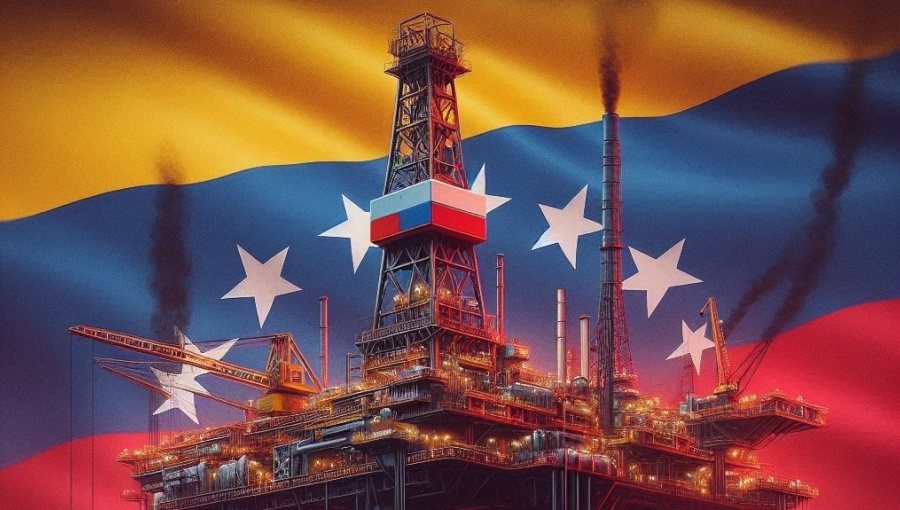
US authorities have revoked Spanish oil company Repsol's license to export oil from Venezuela, a company spokesman confirmed on March 31.
The widely expected move follows the revocation of Chevron's license last month. Similar notices have been served by the Office of Foreign Assets Control (OFAC) on France's Maurel et Prom and Italy's Eni, increasing pressure on Venezuela's key energy sector.
These ad-hoc licenses were granted last year by the Biden administration after the expiration of a 6-month general sanctions waiver, which failed to force Venezuelan President Nicolas Maduro to hold free and fair elections.
Spain's Foreign Minister, Jose Manuel Albares, responded cautiously to the development, telling the television channel Tele 5: "I have had contact with the CEO of (Repsol) and we are analysing the decision." He defended a measured approach, adding "we should not rush at this moment until we know the details about the decision, what it means and how it could affect and the difference it makes for dialogue to resolve the issue."
Repsol CEO Josu Jon Imaz expressed his determination to maintain operations in Venezuela. "We are in direct contact with the US authorities and we will see if we are able to find mechanisms that can allow us to continue our activity in this country," Imaz said at the "Wake Up Spain" business event in Madrid, quoted by AFP. The company currently produces about 65,000 barrels of crude oil per day in Venezuela.
Maurel et Prom revealed that the US Treasury Department has granted it a license to end operations by May 27, while Eni confirmed that it could no longer be repaid for gas production through oil supplies from Venezuelan state oil company PDVSA.
“Eni continues its transparent engagement with the US authorities on this issue to identify options to ensure that unsanctioned gas supplies, essential for the population, can be compensated by PDVSA,” the company was quoted as saying by Reuters. “Eni always operates in full compliance with the international sanctions framework.”
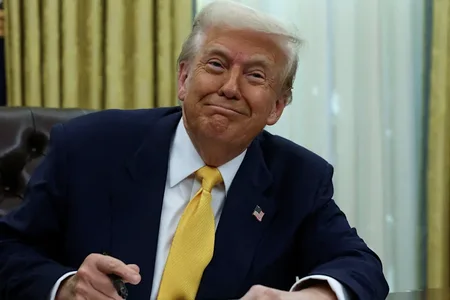
This escalation of sanctions comes amid heightened tensions between Washington and Caracas, with US President Donald Trump recently announcing secondary tariffs of 25 percent on imports from countries that buy Venezuelan oil and gas. Venezuelan President Nicolas Maduro has criticized the measures as part of an "economic war" against his country, AFP noted.
"Venezuela will continue to fulfill contracts with international oil companies whose licenses were revoked by the Trump administration," said Executive Vice President Delcy Rodríguez, reacting to the spate of disruptions.
In a Telegram message on March 31, Rodríguez said the country was prepared for this situation and stressed that international companies do not require authorization from any foreign government as the country does not recognize extraterritorial jurisdiction.



Lini një Përgjigje