


 Shkruar nga Pamfleti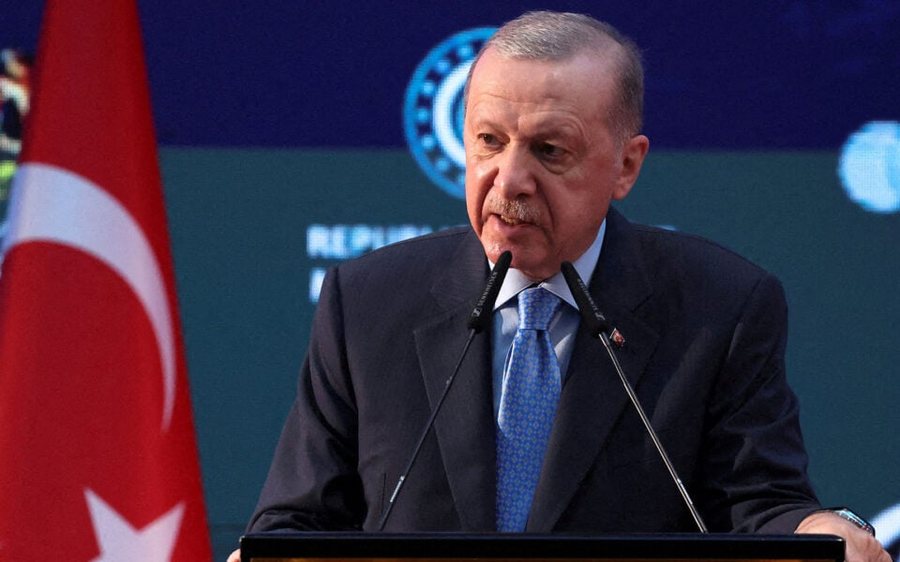
Strong concerns about the possibility of Turkey's reintegration into the F-35 program are expressed by American analysts and experts who suspect that Ankara could provide information about the aircraft to US enemies.
In recent days, Turkish President Recep Tayyip Erdogan has expressed optimism that Turkey could emerge from the US quarantine, in the form of sanctions, and be allowed to purchase advanced multi-role F-35 aircraft.
Turkey has been banned from purchasing F-35 aircraft since 2020, following a decision by Congress, which did not welcome the purchase of the S-400 surface-to-air missile system from Russia.
The US ambassador to Ankara, Tom Barrack, has said that Secretary of State Marco Rubio and Turkish Foreign Minister Hakan Fidan could negotiate a formula to end the sanctions before the end of the year. As a senator, Rubio was a key promoter of the sanctions legislation.
But things can get complicated: Congress, and even a Trump administration more eager to befriend Turkey than its predecessor, cannot ignore the fact of Turkey's hostility toward Israel, which is sometimes expressed in harsh rhetoric.
Since the brutal attack on Israel on October 7, 2023, Erdogan has openly sided with Hamas, called for the destruction of Israel, and compared Israeli Prime Minister Benjamin Netanyahu to Hitler.
“What could stop Erdogan from sharing sensitive F-35 technological details with Russia?” Bradley Bowman, senior director of the Center on Military and Political Power at the Foundation for Defense of Democracies, told Kathimerini. And according to him, Russia could further share these secrets with China.
Doubts
Bradley Bowman, director of the Center for Military and Political Power at the Foundation for Defense of Democracies (FDD), and Sinan Ciddi, FDD fellow and director of the Turkey program, in their analysis are categorically against Turkey's purchase of the latest-generation American fighter jet.
They call on the Trump administration and members of Congress to think twice before supporting the transfer of F-35 aircraft to Turkey for two reasons: one practical and the other moral.
Practically, they explain, Turkey's purchase of the F-35 could result in America's enemies obtaining information about the fighter jet, which could be used to kill Americans and US allies in future conflicts.
And morally, it is pointed out that Turkey has sided with Hamas after the October 7 attacks on Israel - and it is fair to ask whether we want such leadership armed with America's best jets.
F-35, një nga avionët luftarakë më të përparuar në botë, ka aftësi dhe sensorë të sofistikuar që e bëjnë atë qendror për sigurinë amerikane dhe çdo konflikt të ardhshëm të SHBA-së me Kinën, Rusinë, Iranin ose Korenë e Veriut.
Forcat Ajrore, Marina dhe Trupat e Marinës së Shteteve të Bashkuara përdorin variante të F-35, dhe rreth 19 vende aleate aktualisht fluturojnë ose e kanë blerë F-35.
Kjo është arsyeja pse Erdogani donte F-35 dhe ishte në procesin e blerjes së tij. Por, pasi refuzoi ofertat nga Shtetet e Bashkuara për sistemin e mbrojtjes ajrore dhe raketore Patriot të prodhuar në Amerikë, Erdogani vendosi të siguronte sistemin e mbrojtjes ajrore dhe raketore S-400 nga Rusia, pavarësisht paralajmërimeve të përsëritura nga Shtetet e Bashkuara. Në fund të fundit, Uashingtoni nuk kishte zgjidhje tjetër veçse ta përjashtonte Turqinë nga programi F-35 në vitin 2019.
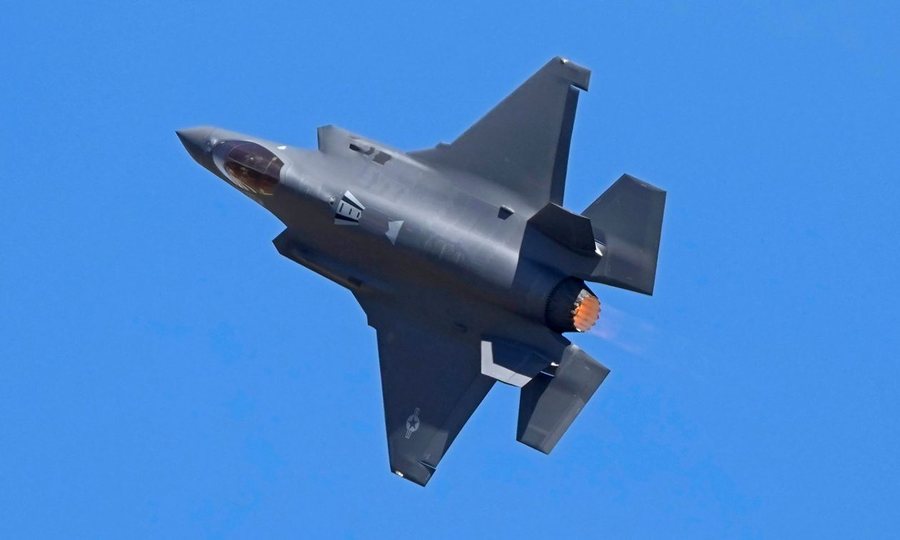
Ata thonë gjithashtu se arsyeja pse posedimi i sistemeve S-400 dhe F-35 nga Turqia është i rrezikshëm është se të dy sistemet që veprojnë në afërsi taktike me njëri-tjetrin ose rrjetëzimi me njëri-tjetrin do t'i lejonte Moskës të fitonte informacione të vlefshme të dobishme për rrëzimin e avionëve F-35 të fluturuar nga amerikanët dhe aleatët tanë. Erdogan mund t'ia jepte informacionin Moskës, ose rusët në Turqi mund ta merrnin informacionin.
Nëse kjo duket e pabesueshme, analistët i bëjnë thirrje qeverisë amerikane të marrë në konsideratë faktin se Rusia dyshohet se dërgoi në Iran raketa Javelin dhe Stinger të prodhuara në Amerikë, të kapura në Ukrainë, në mënyrë që Teherani të studionte sistemet amerikane me qëllim që t'i mposhtte ato në luftime dhe/ose t'i kopjonte ato për ushtrinë iraniane.
Ata vënë në dukje se Putini mori mbështetje të madhe nga Pekini, Teherani dhe Pheniani për luftën e tij në Ukrainë dhe pyesin veten: ku ka mënyrë më të mirë për Putinin për t'ia kthyer nderin sesa duke u ofruar tre anëtarëve të tjerë të "boshtit të agresorëve" informacione të dobishme për gjetjen, gjurmimin dhe rrëzimin e avionëve F-35?
Pengesa kryesore për përpjekjen e Erdoganit për të blerë F-35 është Neni 1245 i Aktit të Autorizimit të Mbrojtjes Kombëtare për Vitin Fiskal 2020, i cili ndalon transferimin e F-35 në Turqi, përveç nëse Sekretarët e Mbrojtjes dhe të Shtetit vërtetojnë me shkrim para komiteteve kryesore të kongresit se Turqia nuk “posedon” më sistemin e mbrojtjes ajrore dhe të mbrojtjes nga raketat S-400, është zotuar të mos e pranojë dorëzimin e sistemit në të ardhmen dhe nuk ka blerë pajisje të tjera mbrojtëse nga Kremlini që do të kompromentonin aftësitë e F-35.
Erdogan’s supporters in Washington are likely eager to “fool” the Trump administration into believing that the F-35 transfer is in the American interest and to convince Congress to review Section 1245. The first could involve a cynical certification to Congress, and the second would likely involve amending the law to delete or revise that pesky “possession” word in American law, thus allowing Turkey to keep the S-400 in some way and be readmitted to the F-35 program.
Moreover, Erdogan, not wanting to upset Putin, has resisted calls for Turkey to transfer the S-400s to the United States or Ukraine, or even return them to Moscow.
The same analysis warns that there will be a pro-Erdogan lobbying "storm" in the US in the coming period, focused on members of Congress who chair the Armed Services and Foreign Relations committees, and who will play a significant role in the outcome.
These include Senators Roger Wicker (R-MS), Jack Reed (D-RI), James Risch (R-ID), and Jeanne Shaheen (D-NH), as well as Representatives Mike Rogers (R-AL), Adam Smith (D-WA), Brian Mast (R-FL), and Gregory Meeks (D-NY).
At the same time, they emphasize that even if the law is changed or Ankara is relieved of all S-400 systems, Washington should not offer Turkey the F-35 jets.
For the two analysts, this is due to the character and actions of Erdogan's government.
They point out that after Hamas launched its horrific terrorist attack on Israel on October 7, 2023, one would expect an American ally to end Ankara’s hospitable relationship with the terrorist organization. Instead, they point out that Erdogan has embraced Hamas even more closely, continuing political and financial support for a terrorist group that has killed and held Americans hostage and is committed to the destruction of Israel.
Finally, analysts address decision-makers in Washington and urge them to ask themselves two questions before making any decisions:
"Can we trust Erdogan to ensure that sensitive information about the F-35 does not reach Moscow, Beijing, Tehran, and Pyongyang?"
And should a Hamas ally have America's most advanced fighter jet?" /Adapted from Pamphlet/





Lini një Përgjigje