


 Shkruar nga Pamfleti
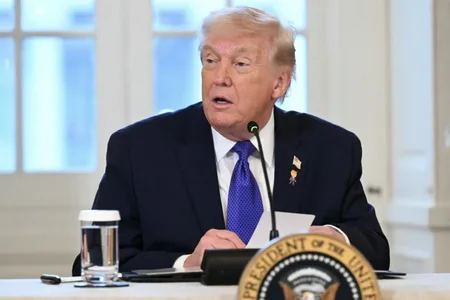
There is a widely used expression: “When someone tells you who they are, believe them.” Over the past 14 months, Donald Trump and his administration have done just that, frequently targeting the EU and its values, quick to criticize, happy to apply pressure, and widen old alliances with tariffs and threats.
Until recently, the frequent response from European leaders has been to rely on flattery and try to use their persuasive powers to win the president's support, rather than risk provoking his anger.
But is the war in Iran a turning point? Are we seeing the end of the European practice of appeasement?
It began gradually, first, Spain openly questioned the legality of the US-Israeli attacks on Iran and refused to allow the Americans to use bases on its territory for the operation.
Britain also initially blocked access.
Donald Trump rewarded their perceived defiance with threats and trade insults.
However, in the days that followed, more countries began to express their concerns, with France, Poland, and the Netherlands among those signaling varying degrees of opposition to the war.
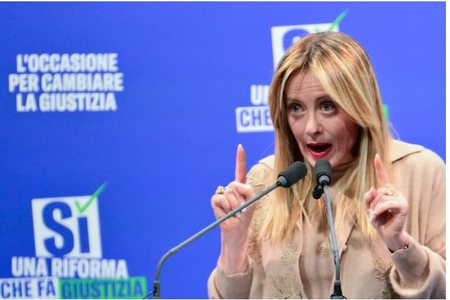
Then, on Wednesday, Italy's Prime Minister Giorgia Meloni, one of Trump's most trusted allies, joined the chorus by describing the military campaign underway in the Middle East as part of a growing trend of interventions "outside the scope of international law."
It's no wonder Europe stands united.
This was just the beginning.
The United States' decision to temporarily ease Russian oil sanctions has angered many European partners, who over the past four years have tried to help Ukraine prevent the war from spreading to the continent.
While it should come as no surprise that leaders who have spent four years opposing Russia are opposed to a move that will help pour money into Vladimir Putin's "war chest," the chorus of opposition is also perhaps a sign of unforeseen consequences for Trump's tough-love policy.
For more than a year, Europeans have felt the impact of being in a sometimes toxic relationship with an untrustworthy partner.
While they are not ready to separate from the US, it is no wonder that in times of crisis, they are increasingly choosing to stick together.




Lini një Përgjigje